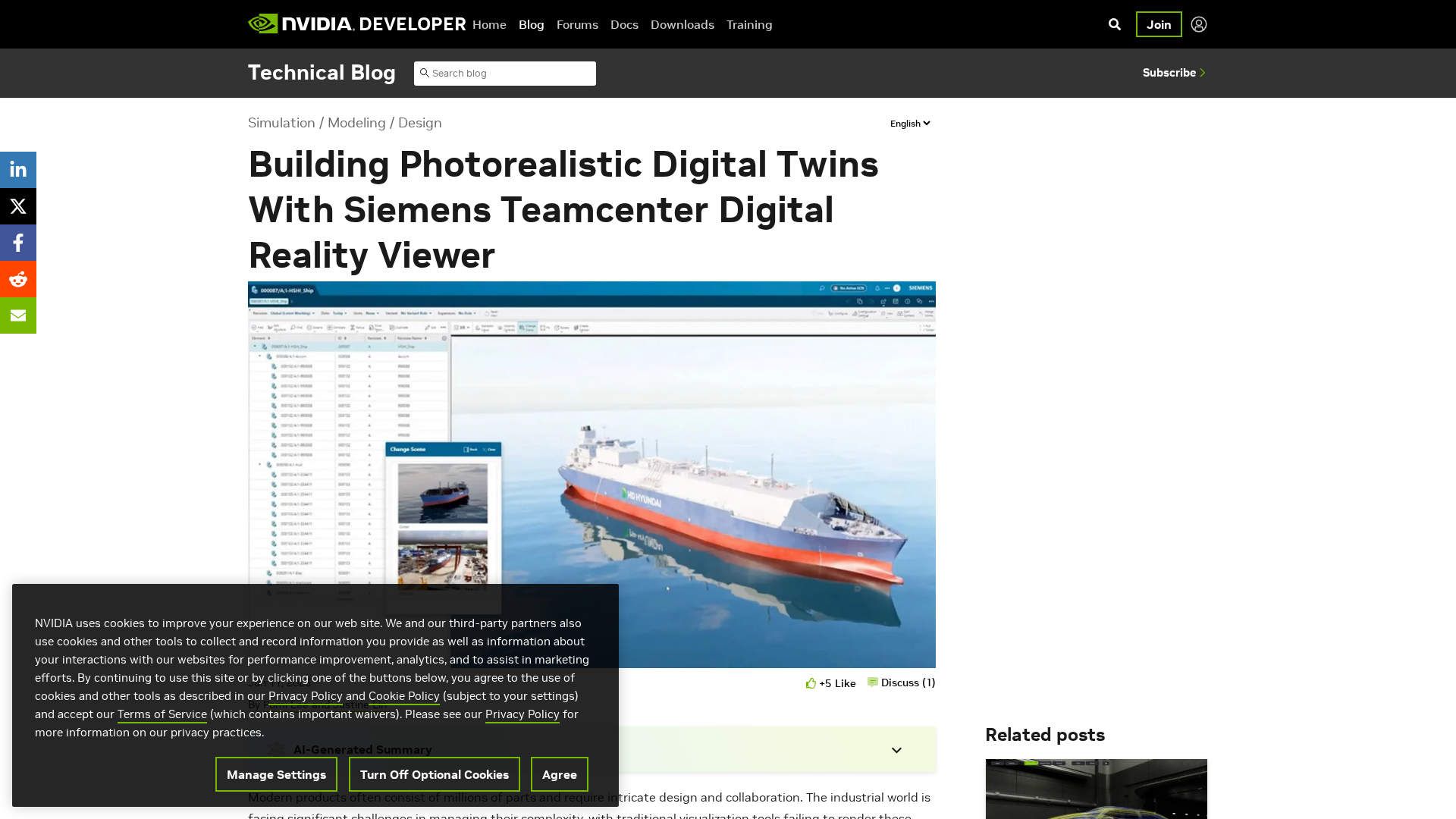
Topic Overview
This topic examines the current class of enterprise AI and digital-twin platforms that combine large-model capabilities, domain-specific simulation, and data-centric infrastructure to automate work and operationalize models. It covers industrial digital-twin stacks (e.g., Siemens–NVIDIA deployments that pair physics-aware simulation with accelerated GPU inference), cloud ML platforms such as Google Vertex AI and Gemini model access, and data-first integrations like Snowflake paired with Anthropic/Claude for model access close to governed datasets. Relevance and timing (as of 2026-01-22): organizations are moving from pilots to production fast — operational demands for compliance, latency, explainability, and cost control have driven tighter coupling between data platforms, model runtimes, and digital-twin simulations. Key enterprise trends include hybrid cloud/GPU acceleration, no-code/low-code automation, modular agent frameworks, and specialized data curation to reduce model footprint and risk. Key tools and roles: Vertex AI/Gemini provide managed multimodal and model lifecycle services; Siemens + NVIDIA stacks serve industrial digital twins and GPU-accelerated simulation; Snowflake integrations with conversational model providers (e.g., Anthropic/Claude) enable queryable, governed analytics with LLM augmentation. Complementary tools include IBM watsonx Assistant for enterprise virtual agents and orchestration; LangChain for architecting agent workflows and observability; StackAI for no/low-code agent deployment; DatologyAI for automated data curation; and Together AI for scalable model training and inference. Taken together, these platforms reflect a bifurcation: data-centric platforms that bring models to governed data, and simulation/compute-centric stacks that bring high-fidelity digital twins and GPU scale to operational AI. Selection depends on priorities — industrial fidelity, data governance, latency, or developer velocity — and on integration maturity across the AI automation and AI data platform categories.
Tool Rankings – Top 6

Google’s multimodal family of generative AI models and APIs for developers and enterprises.

Enterprise virtual agents and AI assistants built with watsonx LLMs for no-code and developer-driven automation.
Anthropic's Claude family: conversational and developer AI assistants for research, writing, code, and analysis.

An open-source framework and platform to build, observe, and deploy reliable AI agents.
End-to-end no-code/low-code enterprise platform for building, deploying, and governing AI agents that automate work onun

Data-curation-as-a-service to train models faster, better, and smaller.
Latest Articles (80)
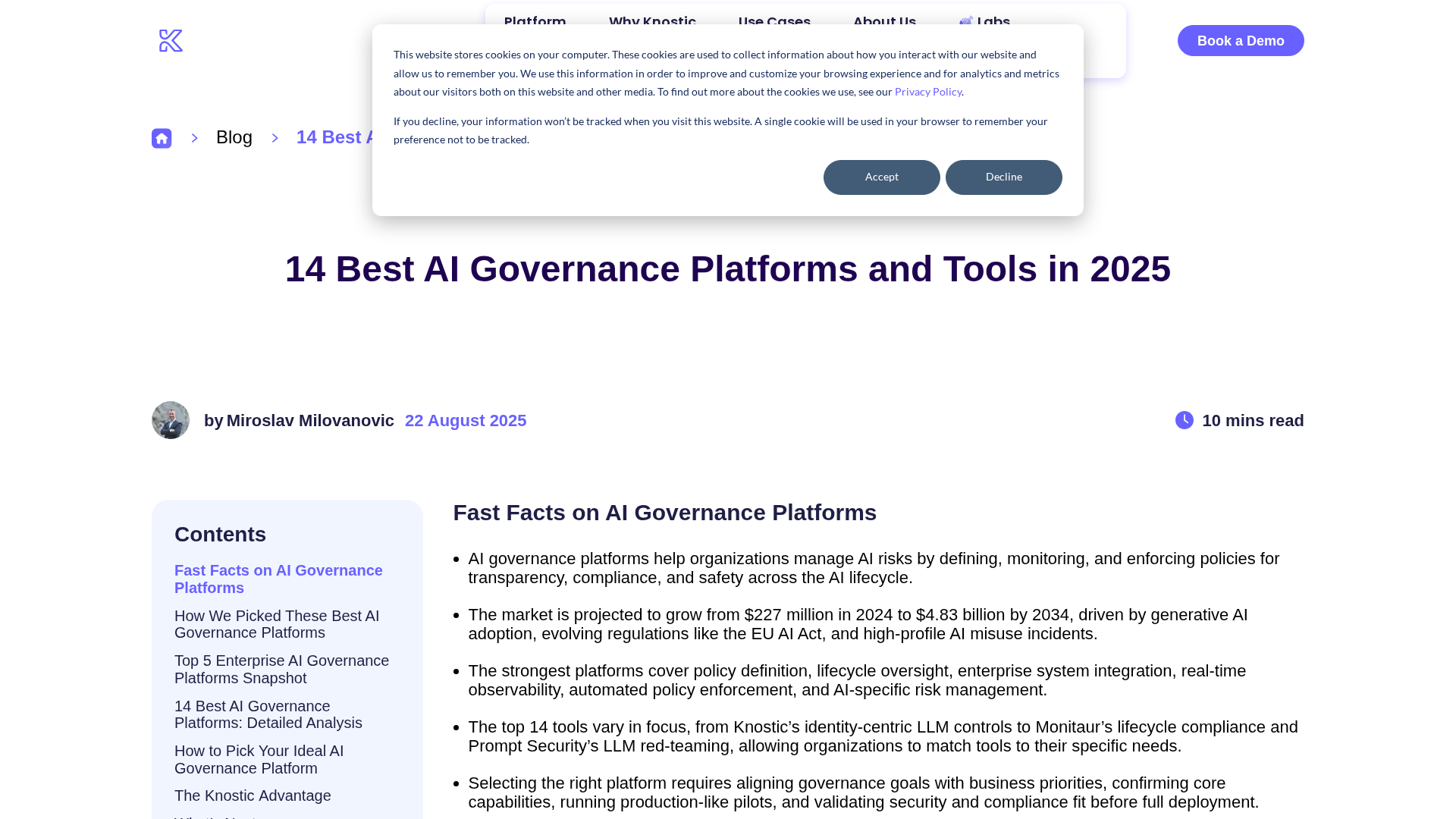
A vendor‑agnostic guide to the 14 best AI governance platforms in 2025, with criteria, comparisons, and practical buying guidance.
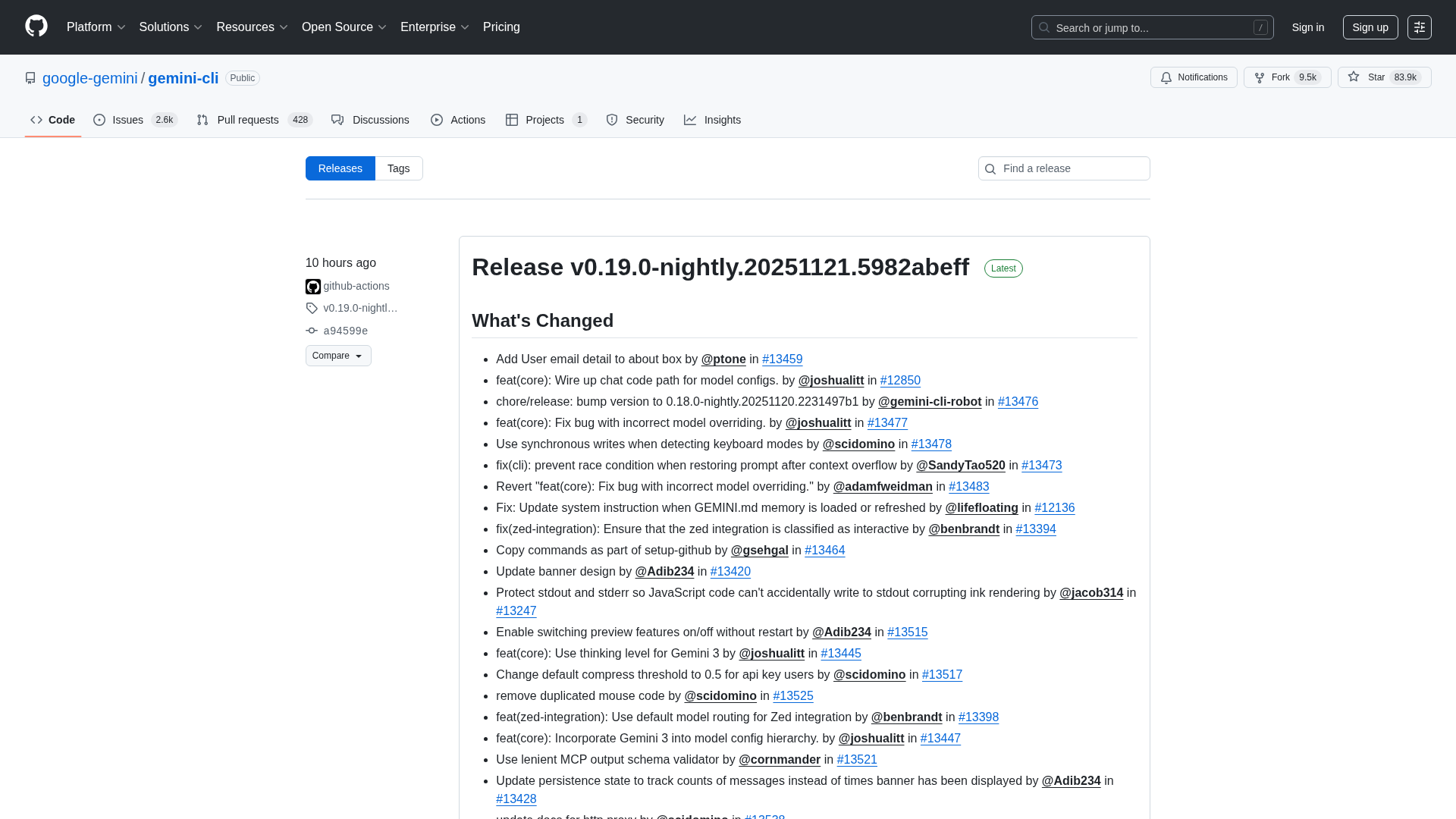
Overview of the Gemini CLI v0.36.0-preview release series, highlighting architectural, CLI, and UI changelogs across multiple pre-release versions.

Baseten launches an AI training platform to compete with hyperscalers, promising simpler, more transparent ML workflows.
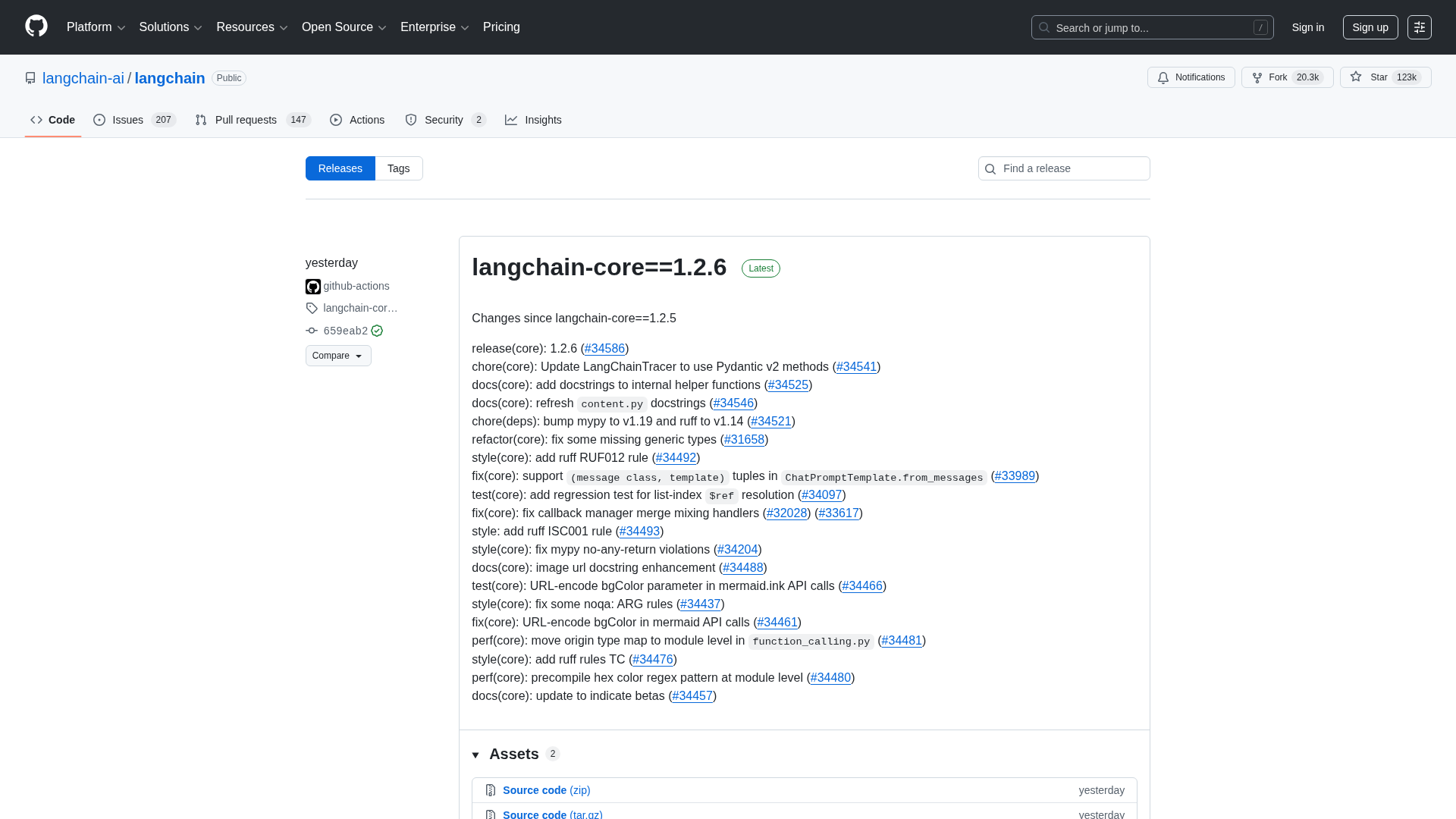
A comprehensive LangChain releases roundup detailing Core 1.2.6 and interconnected updates across XAI, OpenAI, Classic, and tests.
A reproducible bug where LangGraph with Gemini ignores tool results when a PDF is provided, even though the tool call succeeds.