Topic Overview
This topic surveys the hardware and instance choices shaping 2026 AI workloads, with a focus on NVIDIA H200-class accelerators and how providers expose them for training, fine‑tuning and low‑latency inference. It explains why GPU selection now matters across decentralized AI infrastructure and AI data platforms: larger models and production LLM services demand both raw throughput and high memory, while privacy, governance and cost push some teams toward self‑hosted or hybrid deployments. Major cloud and specialist providers have expanded H200 availability and a range of instance flavors — from single‑GPU inference nodes to multi‑GPU, NVLink‑connected training hosts and bare‑metal racks — letting teams trade price, latency and memory capacity. At the same time, improvements in quantization, model‑parallel toolkits and instance orchestration mean many production pipelines can target H200 instances for throughput‑sensitive workloads while using smaller or edge GPUs for developer tools and lightweight inference. Practical impacts for tools: developer and code assistants such as Tabby, Tabnine, GitHub Copilot, Code Llama and Stable Code illustrate the spectrum of needs. Tabby and Tabnine emphasize self‑hosted or hybrid deployments (governance, private model serving); Copilot-style services prioritize integrated cloud inference with low-latency instances; Code Llama and Stable Code model families demonstrate that code-specialized models can be deployed either on compact, edge‑ready hardware or on H200‑class nodes for high‑concurrency serving and fine‑tuning. For teams evaluating options in 2026, the key considerations are model size and latency targets, memory and interconnect needs, cost per token, and data governance constraints. The result is a mixed strategy: use H200 instances where throughput or memory matters most, keep developer workflows and smaller inference on local or edge GPUs, and leverage AI data platforms to pipeline datasets and orchestrate hybrid compute.
Tool Rankings – Top 5
.avif)
Open-source, self-hosted AI coding assistant with IDE extensions, model serving, and local-first/cloud deployment.
Code-specialized Llama family from Meta optimized for code generation, completion, and code-aware natural-language tasks

Edge-ready code language models for fast, private, and instruction‑tuned code completion.

Enterprise-focused AI coding assistant emphasizing private/self-hosted deployments, governance, and context-aware code.

An AI pair programmer that gives code completions, chat help, and autonomous agent workflows across editors, theterminal
Latest Articles (30)
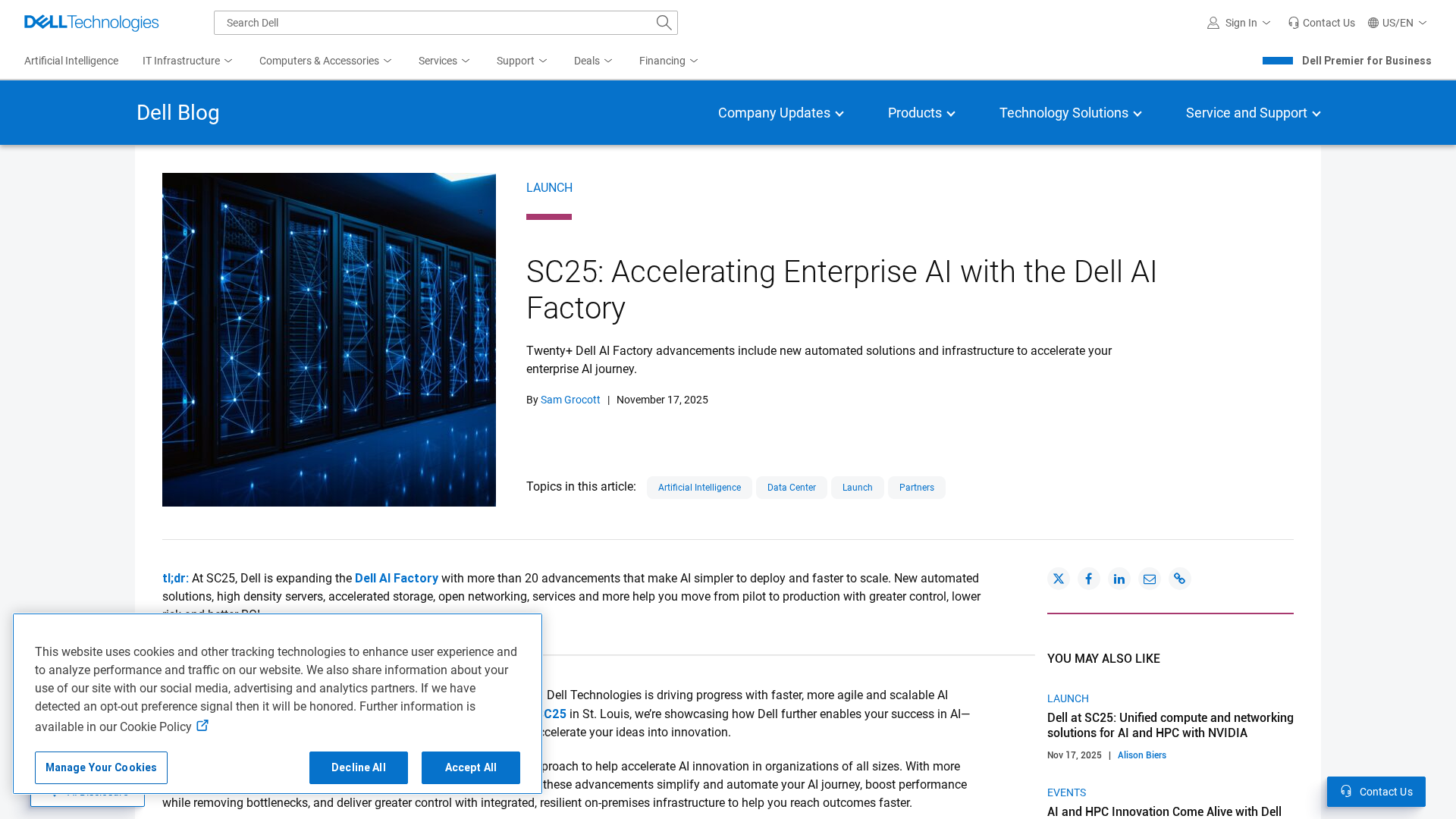
Dell unveils 20+ advancements to its AI Factory at SC25, boosting automation, GPU-dense hardware, storage and services for faster, safer enterprise AI.
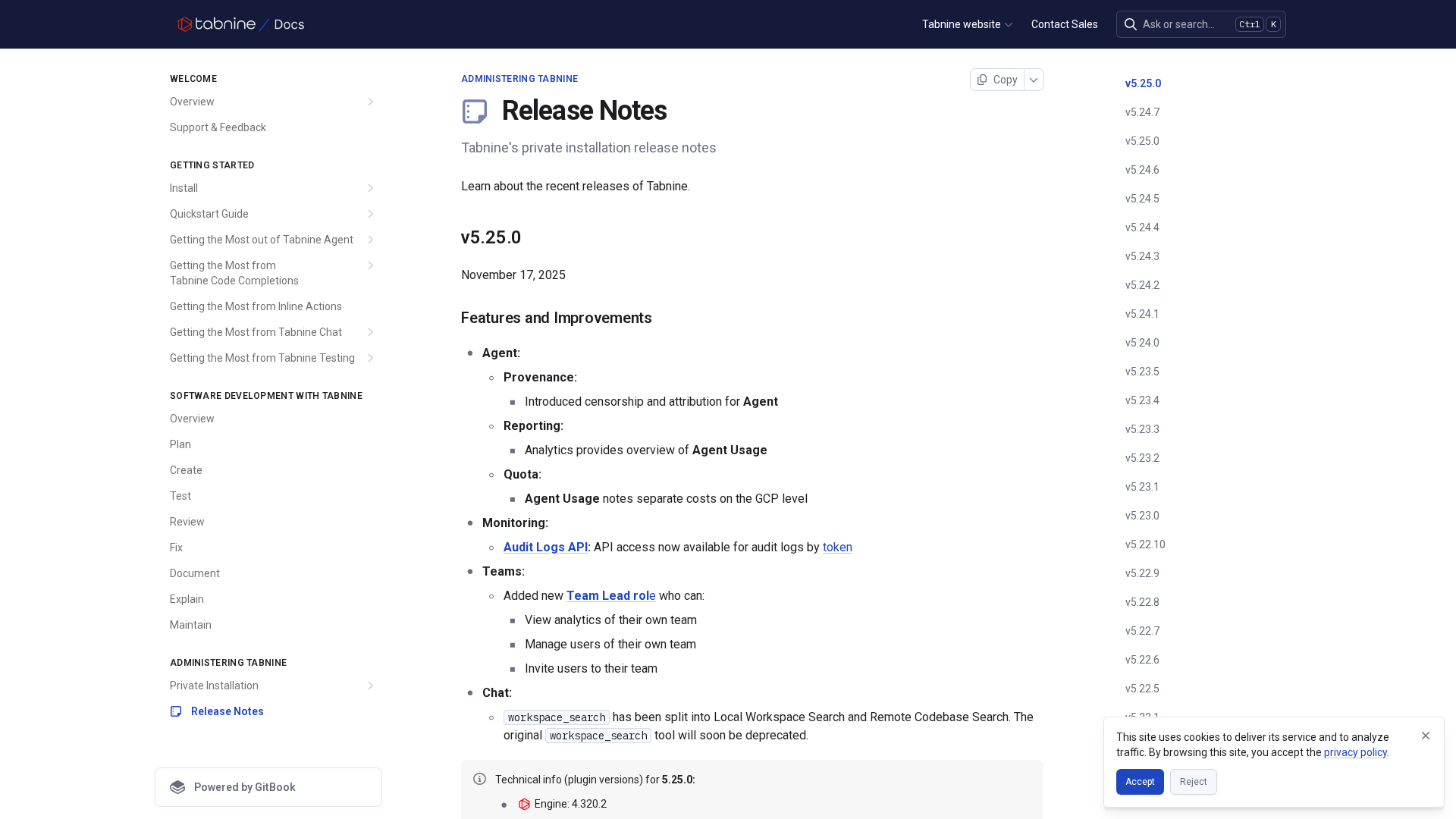
Comprehensive private-installation release notes detailing new features, improvements, and fixes across multiple Tabnine versions.
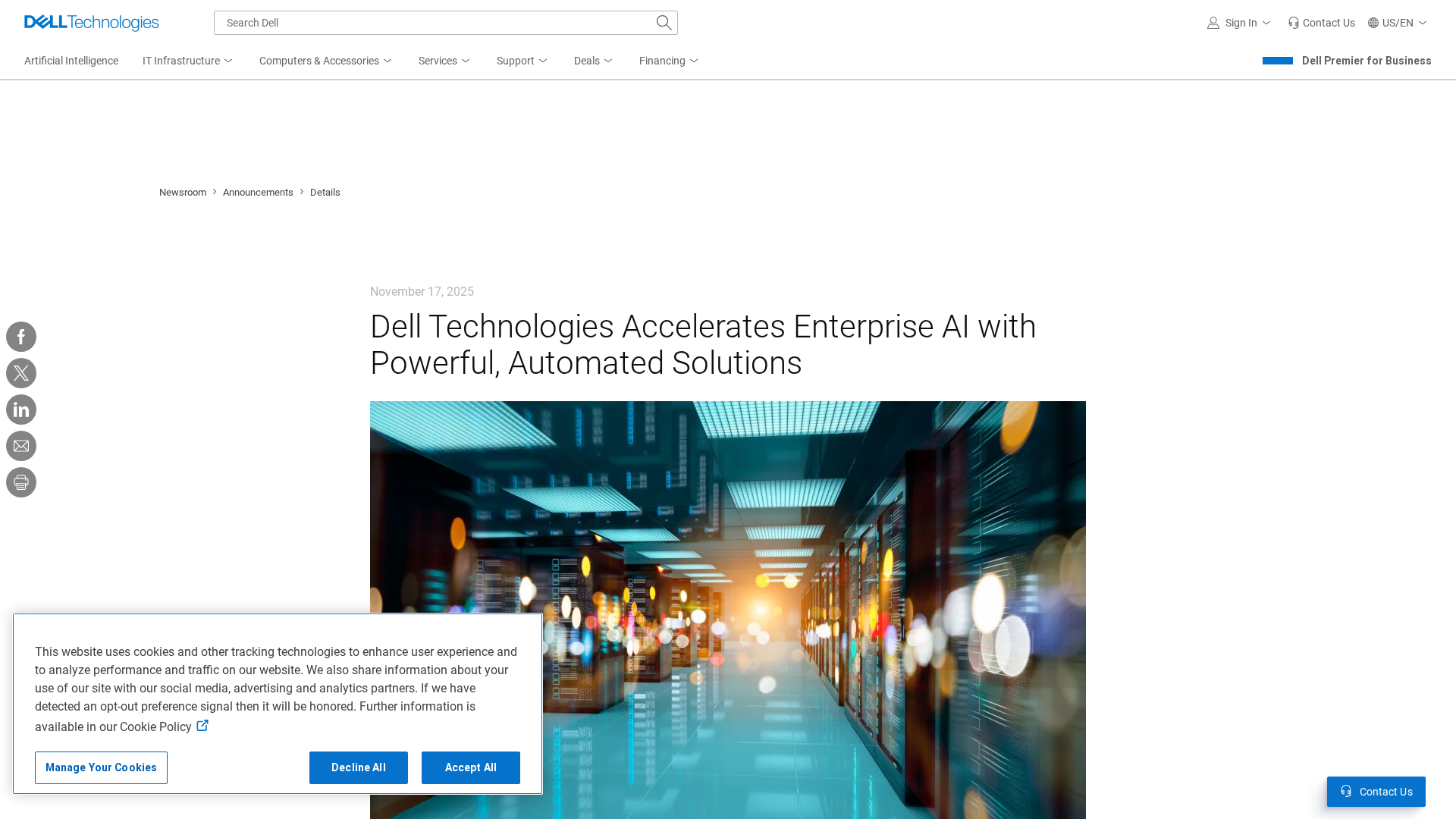
Dell expands the AI Factory with automated, end-to-end on-prem AI solutions, data management enhancements, and scalable hardware.
Dell updates its AI Factory with automated tools, new AI-ready servers, and reinforced on-prem infrastructure.
Dell expands its AI Factory with automated on-prem infrastructure, new PowerEdge servers, enhanced storage software, and scalable networking for enterprise AI.