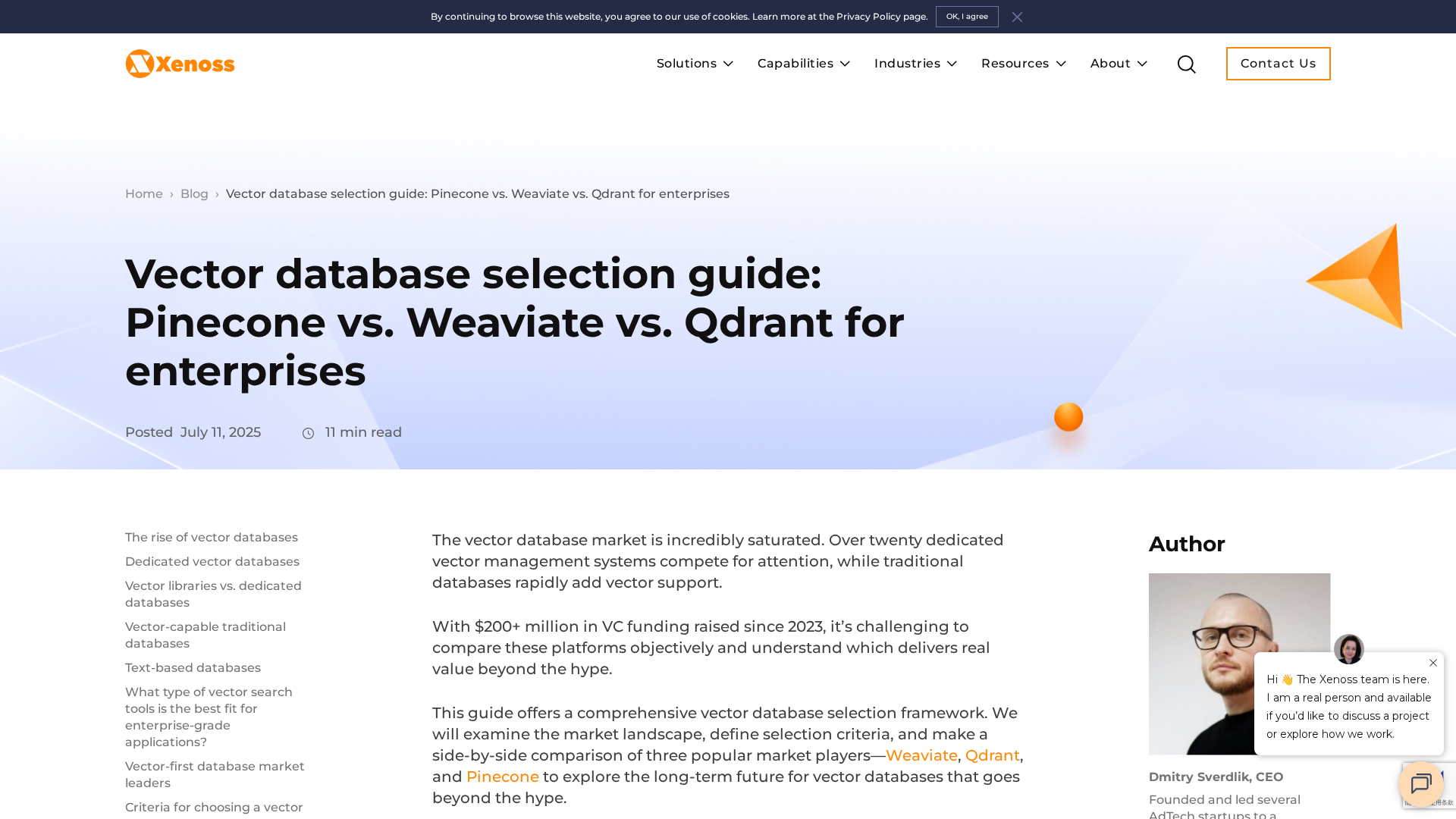
Topic Overview
Vector databases and long‑term memory solutions are the infrastructure that give modern AI systems durable, searchable context: indexed embeddings for documents, user histories, and multimodal signals that retrieval‑augmented generation (RAG) and AI agents rely on. As organizations deploy generative models in production, they need stores that handle high‑throughput vector search, low latency, incremental updates, and governance across cloud and on‑prem environments. In 2026 this topic centers on tradeoffs and integrations: managed services (e.g., Pinecone) versus open‑source engines (e.g., Milvus, Weaviate) for scale, cost, and operational control; hybrid retrieval patterns that combine exact text search with semantic vectors; and richer multimodal embeddings to support images, audio, and structured data. Platform and model providers — Vertex AI and Google’s Gemini, Cohere, and others — supply models and embeddings, while developer tooling such as LlamaIndex and no/low‑code systems like MindStudio orchestrate document ingestion, indexing, and memory management for agents and applications. Key considerations include memory types (session/working memory vs. long‑term semantic memory), consistency and upsert performance for live user data, security and compliance for enterprise knowledge, and the ability to shard, replicate, or offload vectors to specialized hardware. Emerging patterns emphasize persistent agent memory, versioned knowledge stores, and unified observability across model and data layers. For AI data platforms, enterprise search, and personal knowledge management, the practical question is how to assemble vector stores, embedding providers, and retrieval orchestration to deliver accurate, auditable, and cost‑effective semantic search and memory for production AI workflows.
Tool Rankings – Top 5

Unified, fully-managed Google Cloud platform for building, training, deploying, and monitoring ML and GenAI models.

Developer-focused platform to build AI document agents, orchestrate workflows, and scale RAG across enterprises.

Enterprise-focused LLM platform offering private, customizable models, embeddings, retrieval, and search.

Google’s multimodal family of generative AI models and APIs for developers and enterprises.

No-code/low-code visual platform to design, test, deploy, and operate AI agents rapidly, with enterprise controls and a
Latest Articles (46)
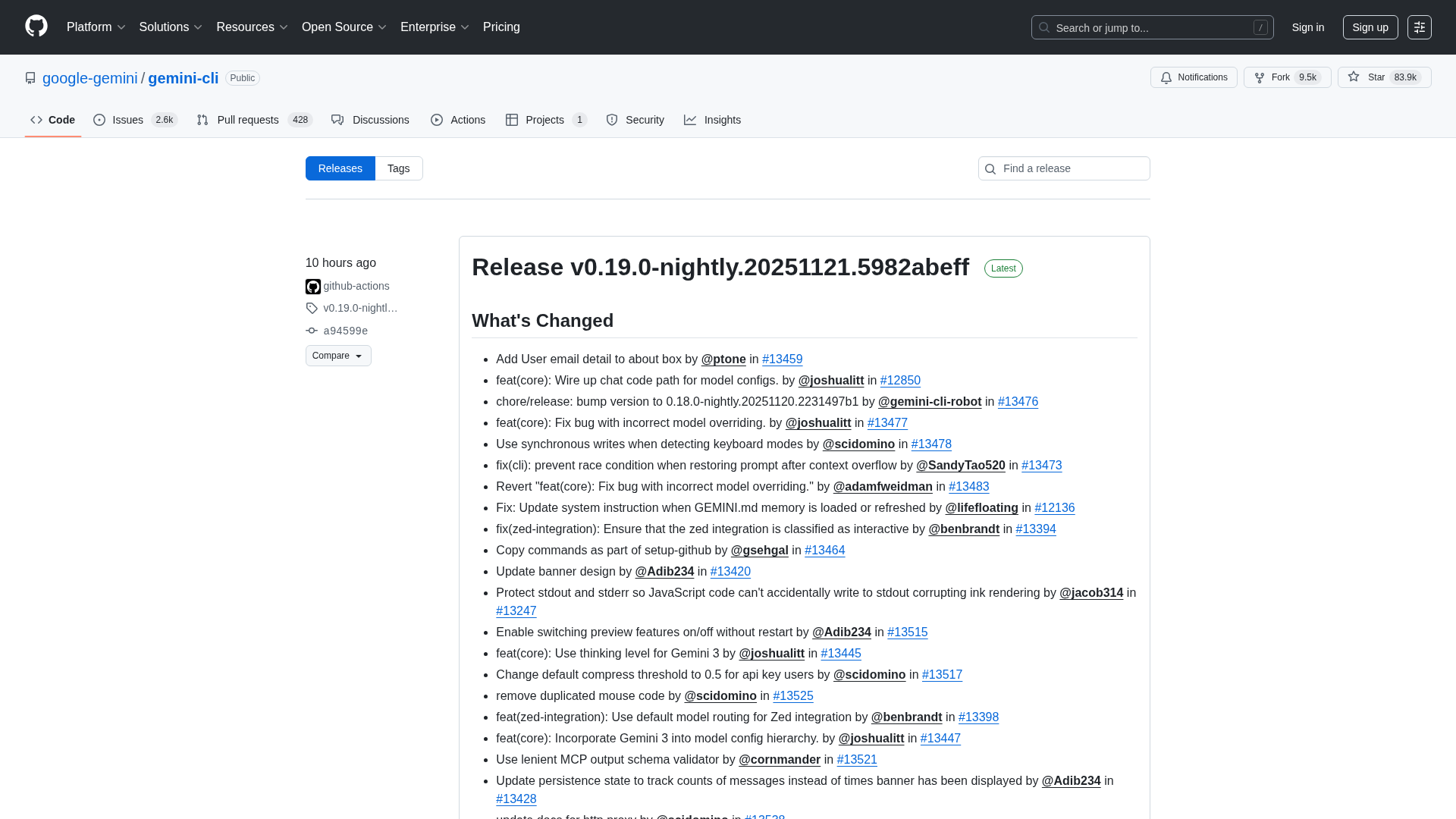
Overview of the Gemini CLI v0.36.0-preview release series, highlighting architectural, CLI, and UI changelogs across multiple pre-release versions.
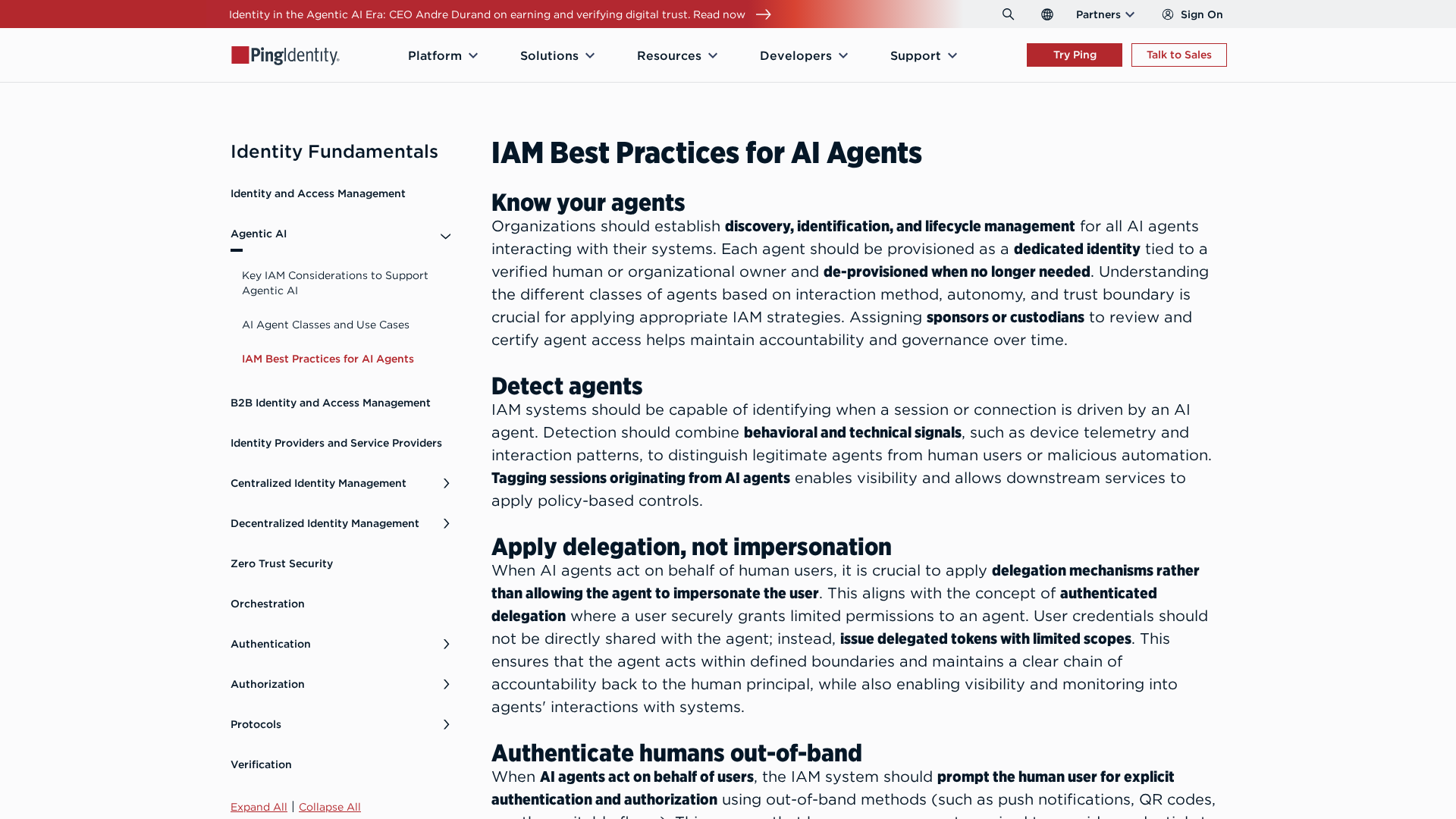
Best-practices for securing AI agents with identity management, delegated access, least privilege, and human oversight.
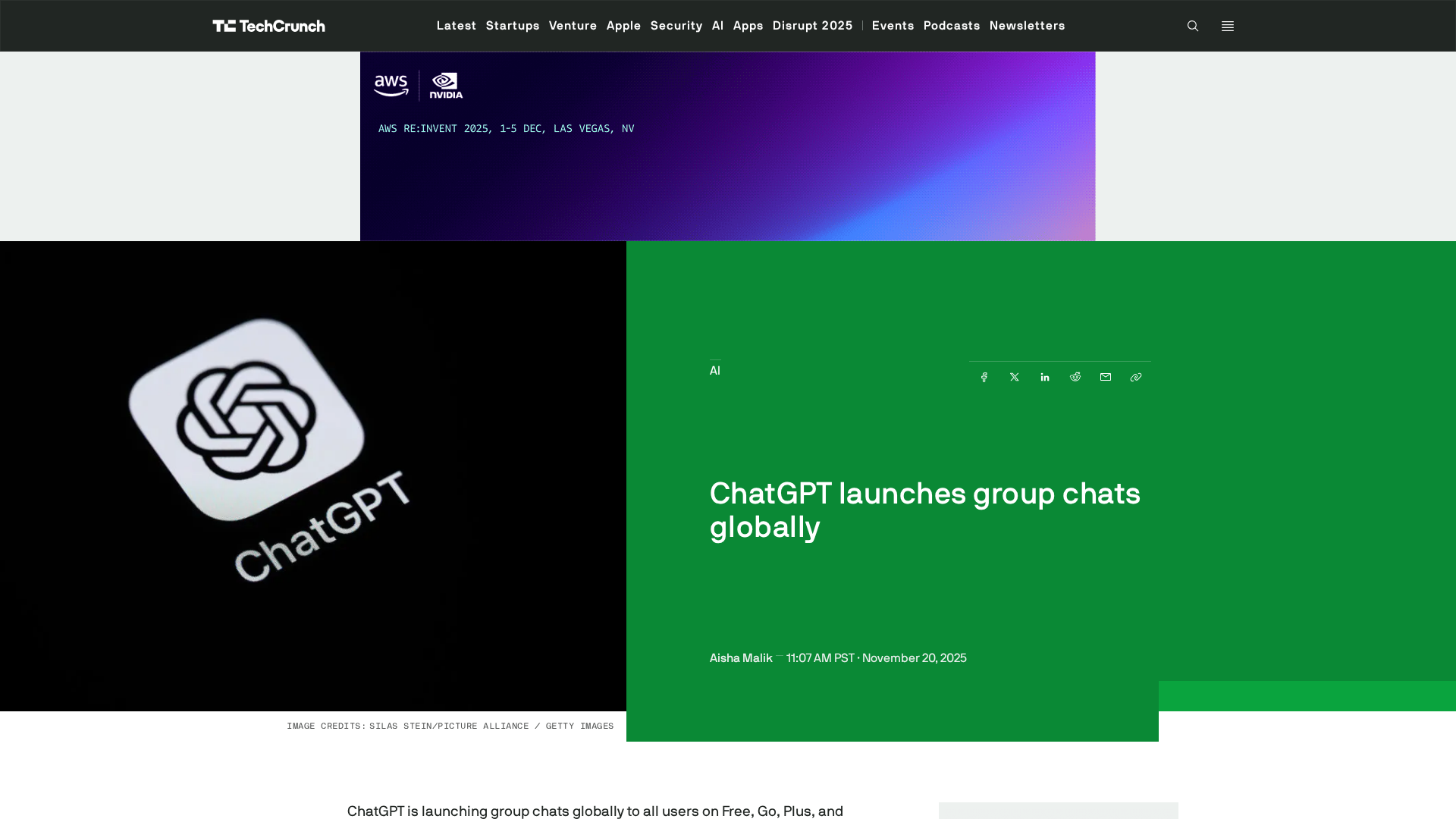
OpenAI rolls out global group chats in ChatGPT, supporting up to 20 participants in shared AI-powered conversations.

A practical, prompt-based playbook showing how Gemini 3 reshapes work, with a 90‑day plan and guardrails.
A detailed, use-case-driven comparison of Gemini 3 Pro and GPT-5.1 across context windows, multimodal capabilities, tooling, benchmarks, and pricing.