Topic Overview
AI group collaboration platforms bring together threaded team chat, shared context and model-backed assistants to support real‑time collaboration, meeting workflows and knowledge work. As of 2025, this space splits into conversational-first offerings (e.g., ChatGPT Group Chat), multi‑model marketplaces (e.g., Poe) and purpose-built enterprise tools that combine retrieval-augmented generation (RAG), integrations and governance. Demand for on‑prem options, persona memory, multi‑LLM routing and tighter app/search integration is driving innovation. Key players illustrate common patterns: ChatGPT Group Chat emphasizes integrated shared context and OpenAI model capabilities for synchronous team exchanges; Poe provides a marketplace-style experience for trying and switching between different models and assistants. Notion demonstrates how an AI-enabled workspace embeds AI into docs, knowledge and automation; Dashworks focuses on omni-search across apps and data to answer team questions in real time. Lindy lowers the barrier to build and deploy autonomous agents with no/low‑code tooling, while Yellow.ai targets enterprise CX/EX with agentic automation across channels. Specialist platforms like Mindlogic (FactChat) stress RAG, multi‑LLM integration and on‑premise deployment for compliance, and PandaChat offers multichannel assistants that link chat, email and social with contextual knowledge. For teams choosing between ChatGPT Group Chat, Poe and alternatives, the practical differences are choice of underlying models, support for RAG and memory, integration depth with workflows and security/governance options. The current trend favors interoperable stacks that combine marketplace flexibility, workspace integration, agent automation and enterprise controls—making selection a balance of collaboration UX, model governance and systems integration.
Tool Rankings – Top 6
A single, block-based AI-enabled workspace that combines docs, knowledge, databases, automation, and integrations to sup

An AI-powered omni-search assistant that unifies apps and data to answer team questions in real time.

No-code/low-code AI agent platform to build, deploy, and govern autonomous AI agents.

Enterprise agentic AI platform for CX and EX automation, building autonomous, human-like agents across channels.
Anthropic's Claude family: conversational and developer AI assistants for research, writing, code, and analysis.

RAG-driven chatbot platform (FactChat) offering multi-LLM integration, on-premise options, persona memory, and voice/ARS
Latest Articles (71)
A practical, step-by-step guide to fine-tuning large language models with open-source NLP tools.
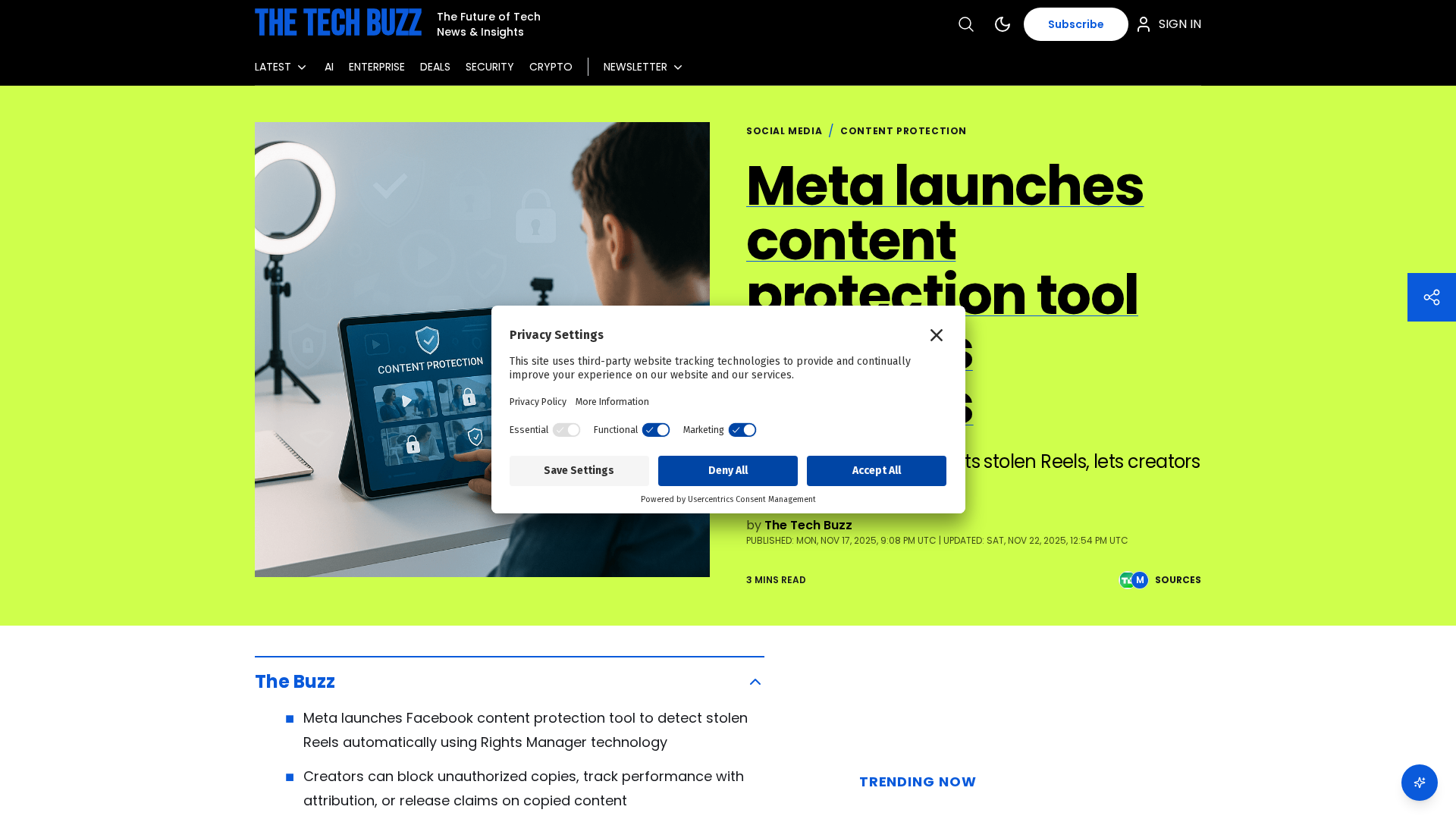
Meta rolls out Facebook Content Protection to detect stolen Reels and give creators options to block, track, or claim across Facebook and Instagram.
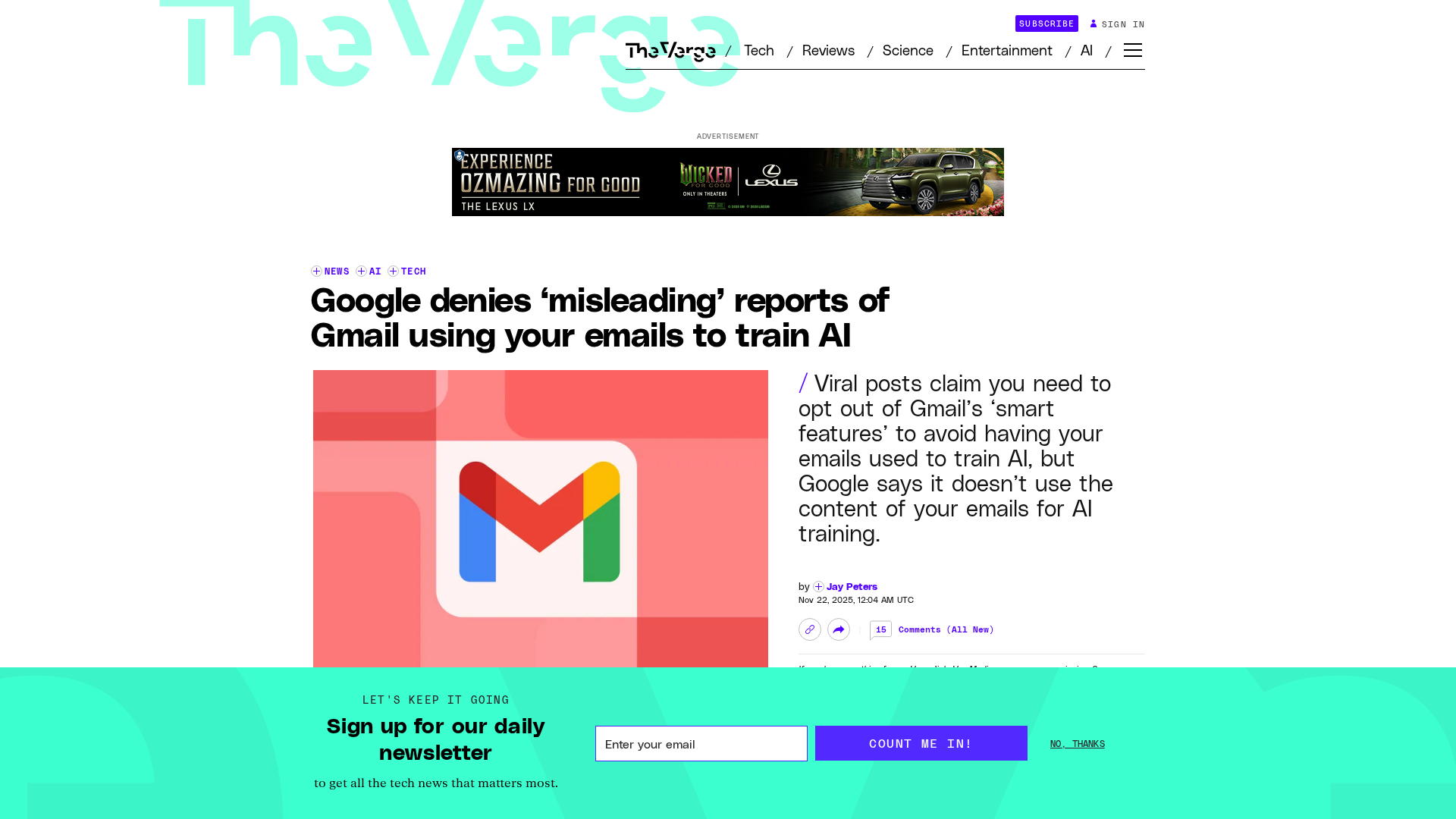
Google says Gmail data isn’t used to train AI and explains opt-out and smart-feature controls.
OpenAI unveils an experimental ChatGPT Group Chat for up to 20 users, rolling out to all logged-in users.
OpenAI expands ChatGPT group chats globally, enabling collaboration with up to 20 participants powered by GPT-5.1.