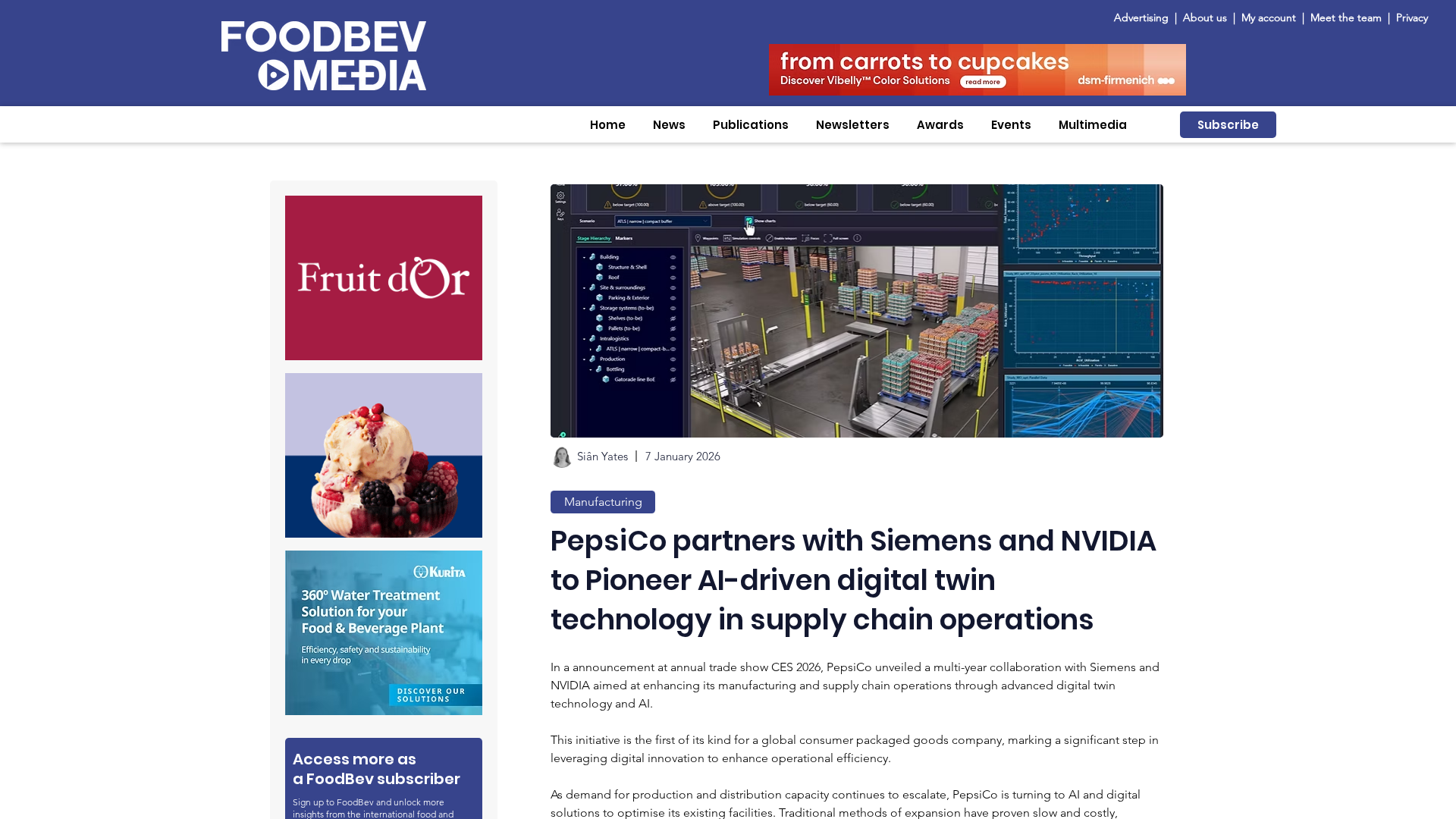
Topic Overview
AI-powered digital twins and supply-chain platforms bring together simulation, live operational data, and machine learning to create continuously updated “industrial twins” for planning, forecasting and real‑time optimization. By 2026 this approach is moving from pilots to production: partnerships among infrastructure and software providers (for example collaborations involving Siemens, NVIDIA, and major consumer‑goods firms such as PepsiCo) illustrate how vendors and end users are integrating physics‑based models, high‑performance GPU compute and enterprise AI stacks to improve throughput, asset utilization and disruption response. Key building blocks reflect the AI and data stack: model lifecycle and managed ML platforms (Vertex AI) support training, fine‑tuning and deployment of predictive and generative models; GPU orchestration (Run:ai) pools on‑prem and cloud accelerators to scale simulation and inference cost‑effectively; governance‑first analytics platforms (Alteryx) provide no‑code/low‑code pipelines and controls for trusted feature engineering and operational reporting. Developer toolchains and agent frameworks (LangChain, LlamaIndex) enable retrieval‑augmented agents and automated workflows that turn operational documents and telemetry into actionable guidance, while enterprise LLM providers (Cohere) supply private models and embeddings for search and reasoning. No‑code agent studios (MindStudio) lower the barrier to build and deploy modal, multi‑step AI assistants that interact with twin APIs and ERP systems. The converging trends are clear: hybrid edge‑to‑cloud architectures, pooled GPU economics, stronger governance and explainability, and the rise of RAG/agent patterns for decision support. For practitioners evaluating options across AI Data Platforms, Automation Platforms, Data Analytics, tool marketplaces and market‑intelligence stacks, the priority is interoperability, model lifecycle controls and operational SLAs rather than single‑vendor hype.
Tool Rankings – Top 6

Unified, fully-managed Google Cloud platform for building, training, deploying, and monitoring ML and GenAI models.

Kubernetes-native GPU orchestration and optimization platform that pools GPUs across on‑prem, cloud and multi‑cloud to提高

Alteryx One — AI-powered, governance-first analytics platform with no-code/low-code workflows and automation.

Engineering platform and open-source frameworks to build, test, and deploy reliable AI agents.

Developer-focused platform to build AI document agents, orchestrate workflows, and scale RAG across enterprises.

Enterprise-focused LLM platform offering private, customizable models, embeddings, retrieval, and search.
Latest Articles (59)
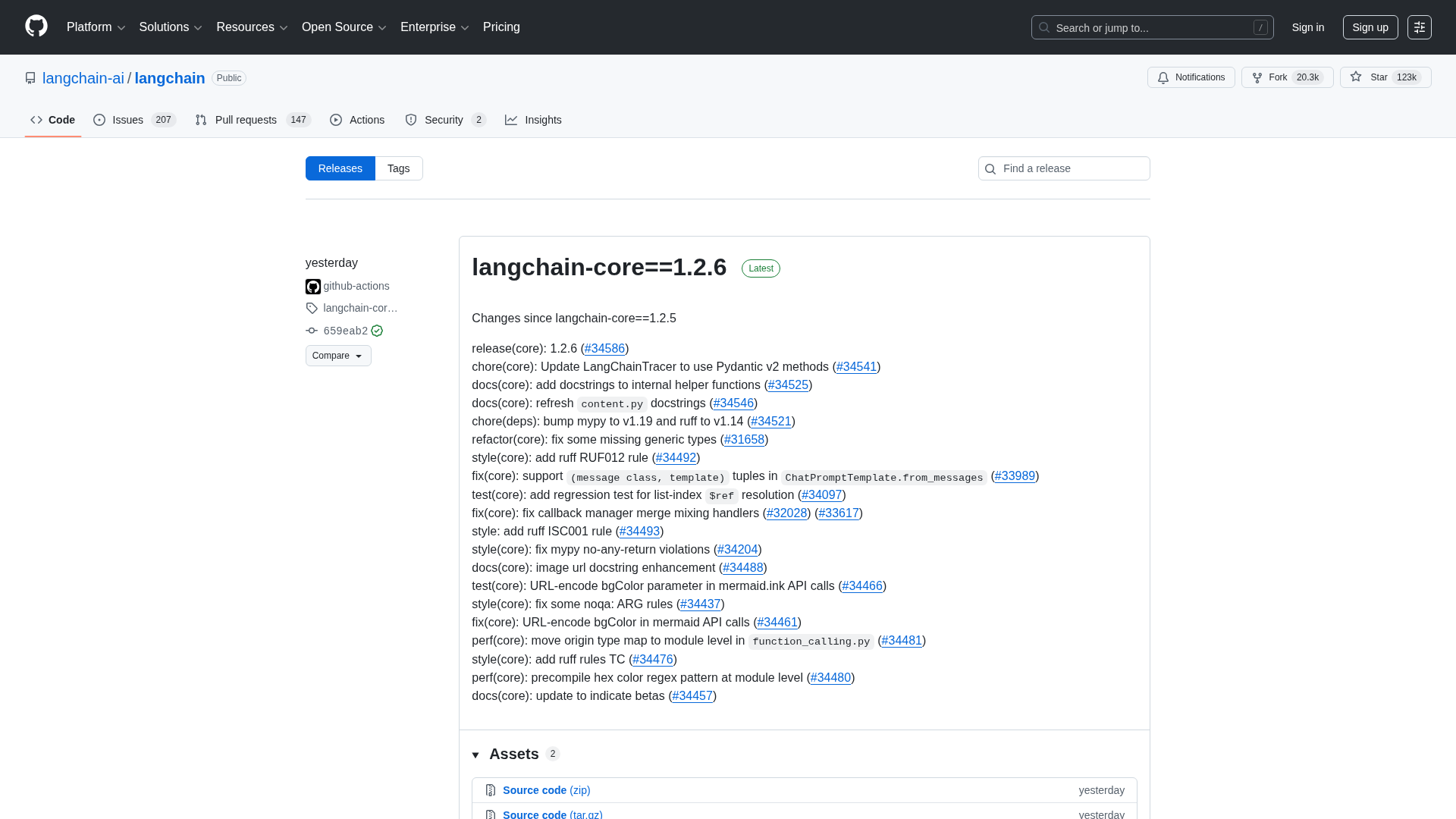
A comprehensive LangChain releases roundup detailing Core 1.2.6 and interconnected updates across XAI, OpenAI, Classic, and tests.
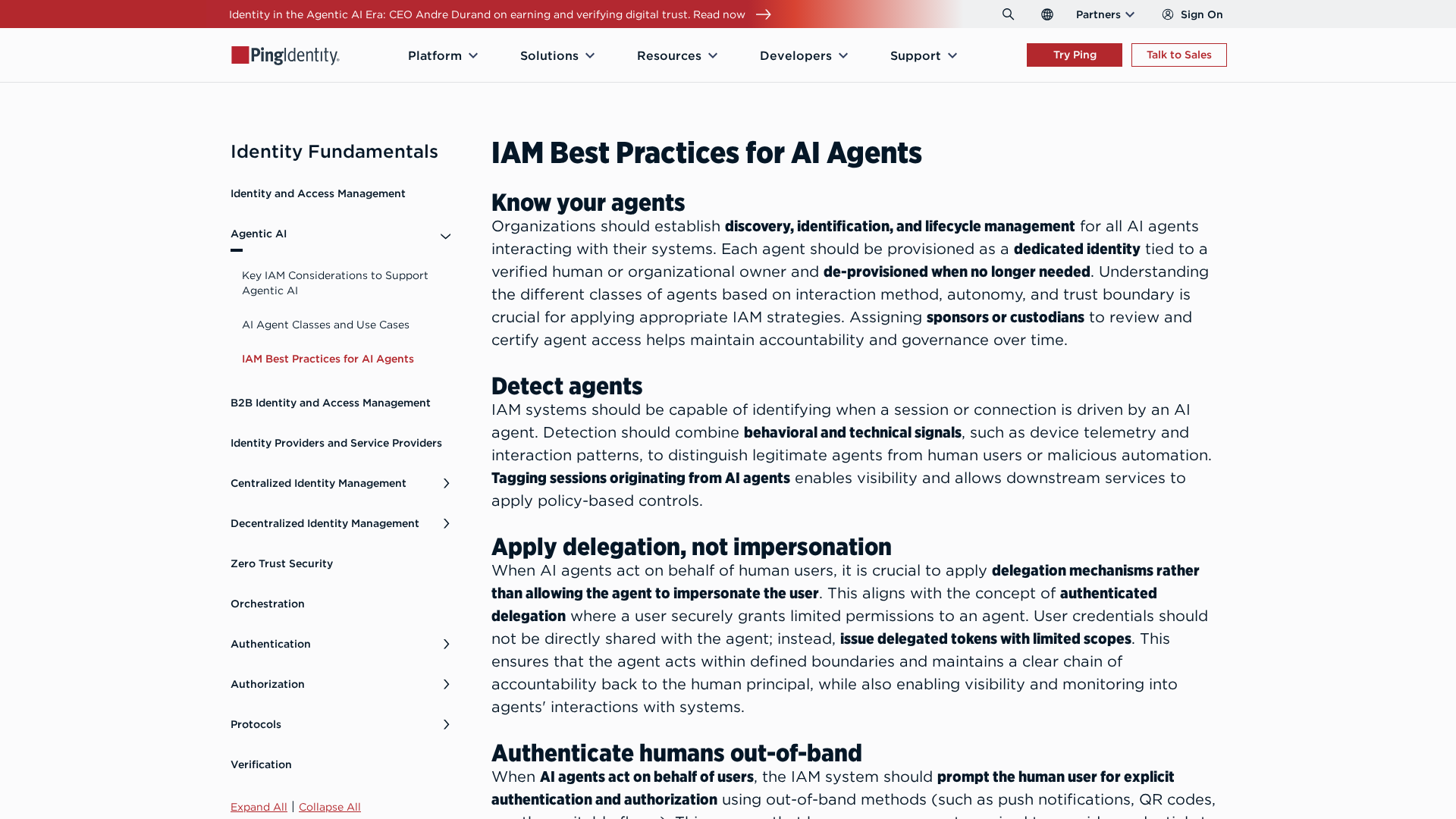
Best-practices for securing AI agents with identity management, delegated access, least privilege, and human oversight.

Cannot access the article content due to an access-denied error, preventing summarization.
A quick preview of POE-POE's pros and cons as seen in G2 reviews.
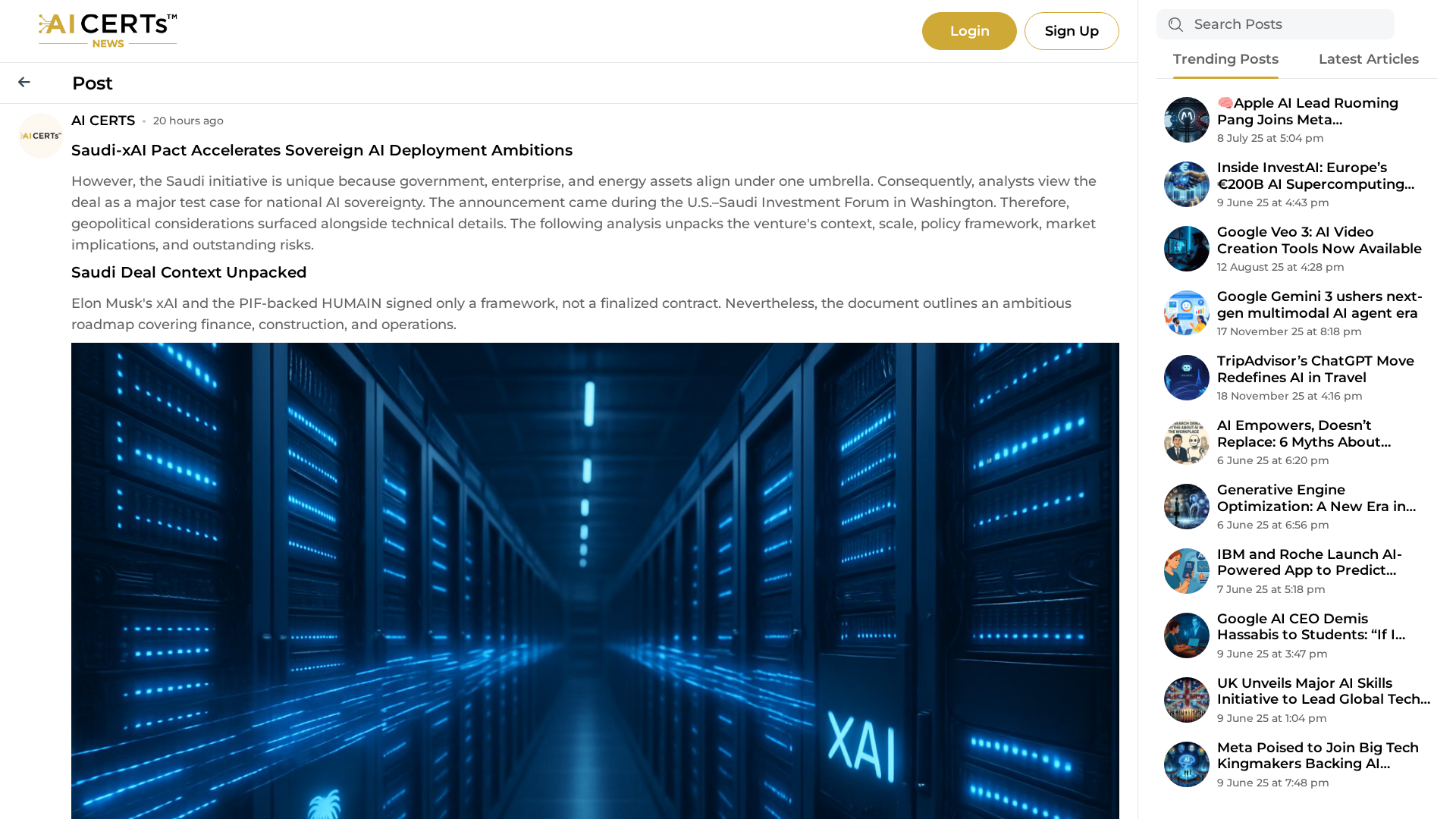
Saudi xAI-HUMAIN launches a government-enterprise AI layer with large-scale GPU deployment and multi-year sovereignty milestones.