
Topic Overview
This topic examines how enterprises are integrating AI infrastructure planning with energy management and corporate decarbonization commitments, and how software tools enable grid‑aware operation. As of 2026, organizations must balance high GPU/TPU demand with rising grid constraints, greater renewable penetration, and expanding reporting requirements. That drives interest in decentralized AI infrastructure (edge GPUs, regional workload shifting, and micro‑data centers), carbon accounting and procurement tools, AI governance capabilities, and regulatory compliance solutions that document emissions and operational controls. Key platform and tooling roles are: cloud ML platforms (Vertex AI, Google Gemini APIs) for centralized model training, deployment and monitoring; enterprise agent and governance platforms (StackAI) to automate operational policies and enforce controls; developer & code assistants (Tabnine, CodeGeeX, Replit) that support private or self‑hosted workflows to keep sensitive workloads on‑prem or near renewables; autonomous operation frameworks (AutoGPT) for orchestrating routine infrastructure tasks such as scheduling and failover; and lightweight search/assistant tools (GPTGO) to surface operational knowledge. Private/self‑hosted options and decentralized architectures make it easier to co‑locate compute with clean energy or respond to local grid signals. Practical grid‑aware strategies include carbon‑intensity scheduling, geographic load balancing, demand response participation, and co‑optimizing cost, latency, and emissions. The combined need for traceable emissions data, audit logs, and regionally compliant controls is increasing demand for integrated carbon accounting and compliance tooling. This topic is timely because corporate net‑zero commitments, grid stress from electrification, and evolving regulation are forcing AI teams to make compute decisions that reflect both environmental and operational risk.
Tool Rankings – Top 6

Unified, fully-managed Google Cloud platform for building, training, deploying, and monitoring ML and GenAI models.
End-to-end no-code/low-code enterprise platform for building, deploying, and governing AI agents that automate work onun

Enterprise-focused AI coding assistant emphasizing private/self-hosted deployments, governance, and context-aware code.

Platform to build, deploy and run autonomous AI agents and automation workflows (self-hosted or cloud-hosted).

Google’s multimodal family of generative AI models and APIs for developers and enterprises.
AI-based coding assistant for code generation and completion (open-source model and VS Code extension).
Latest Articles (49)
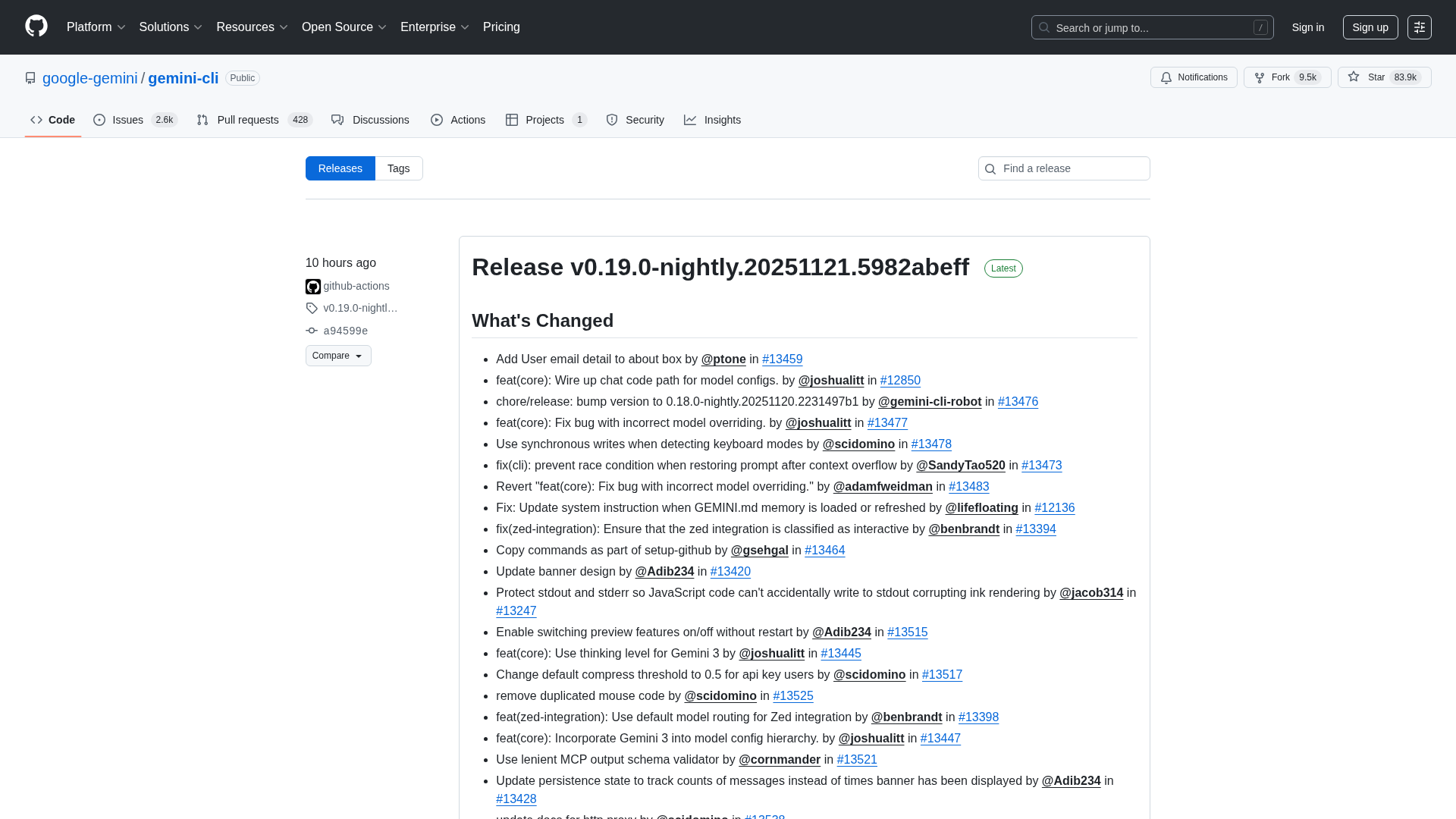
Overview of the Gemini CLI v0.36.0-preview release series, highlighting architectural, CLI, and UI changelogs across multiple pre-release versions.
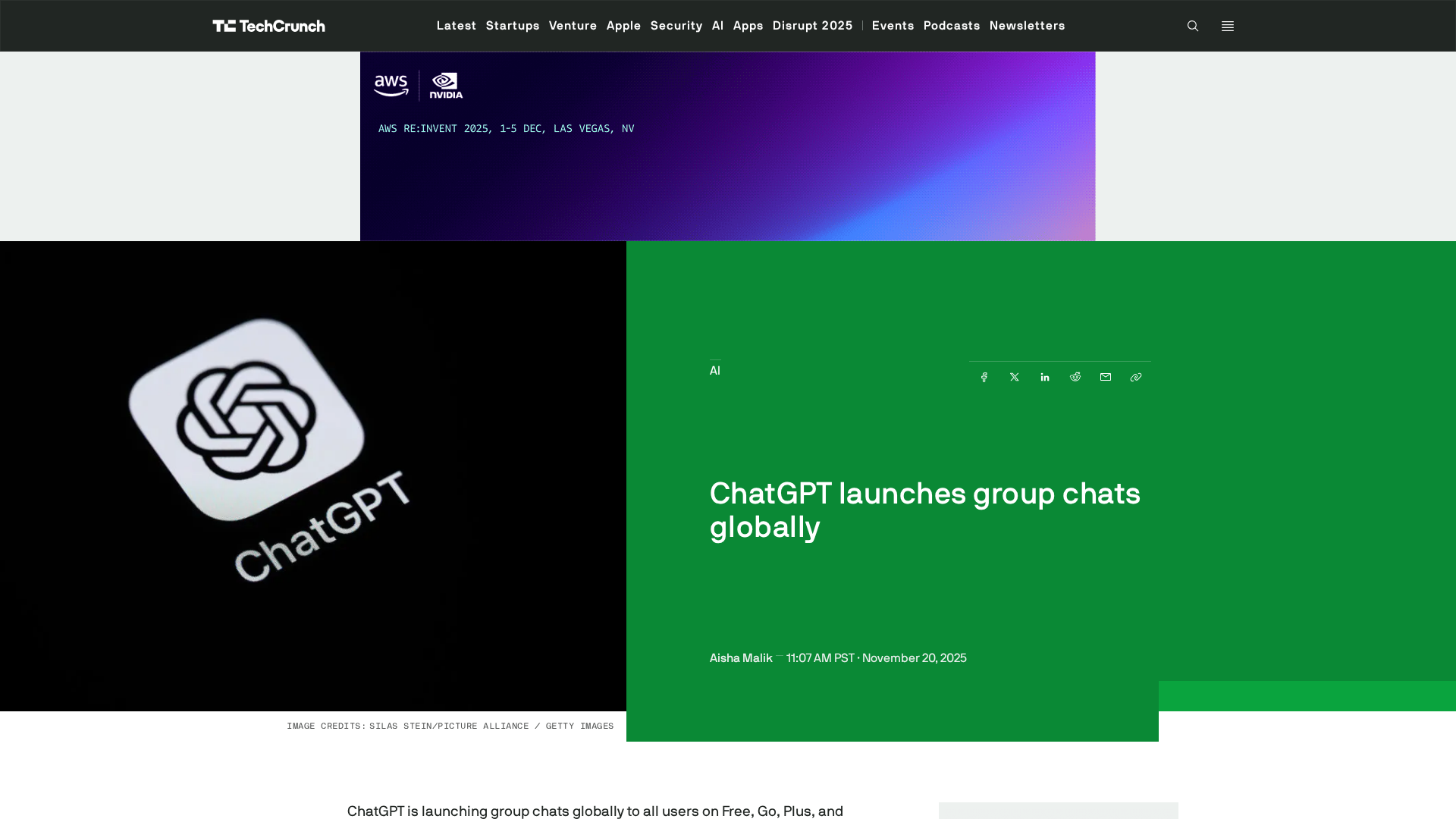
OpenAI rolls out global group chats in ChatGPT, supporting up to 20 participants in shared AI-powered conversations.
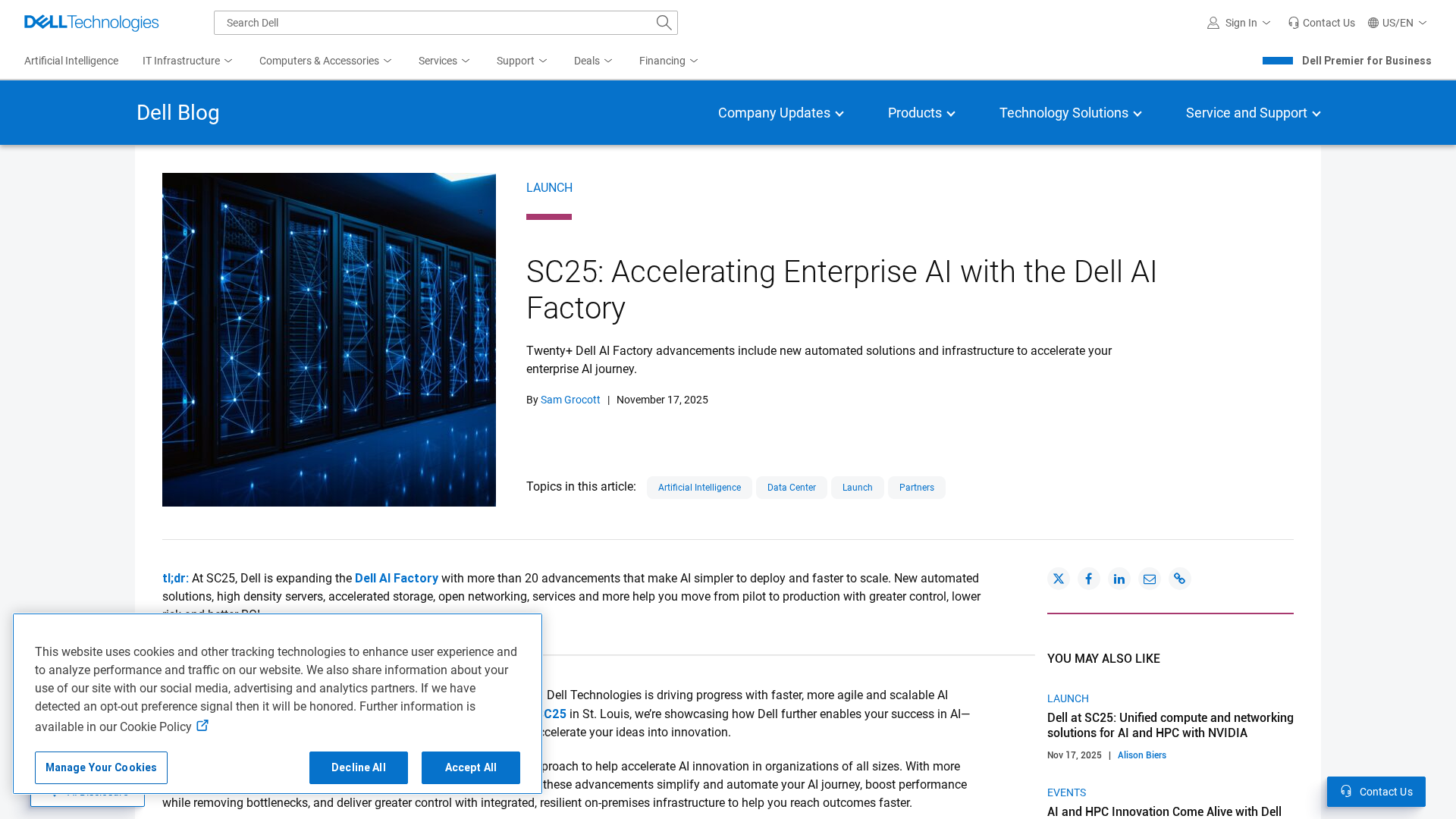
Dell unveils 20+ advancements to its AI Factory at SC25, boosting automation, GPU-dense hardware, storage and services for faster, safer enterprise AI.
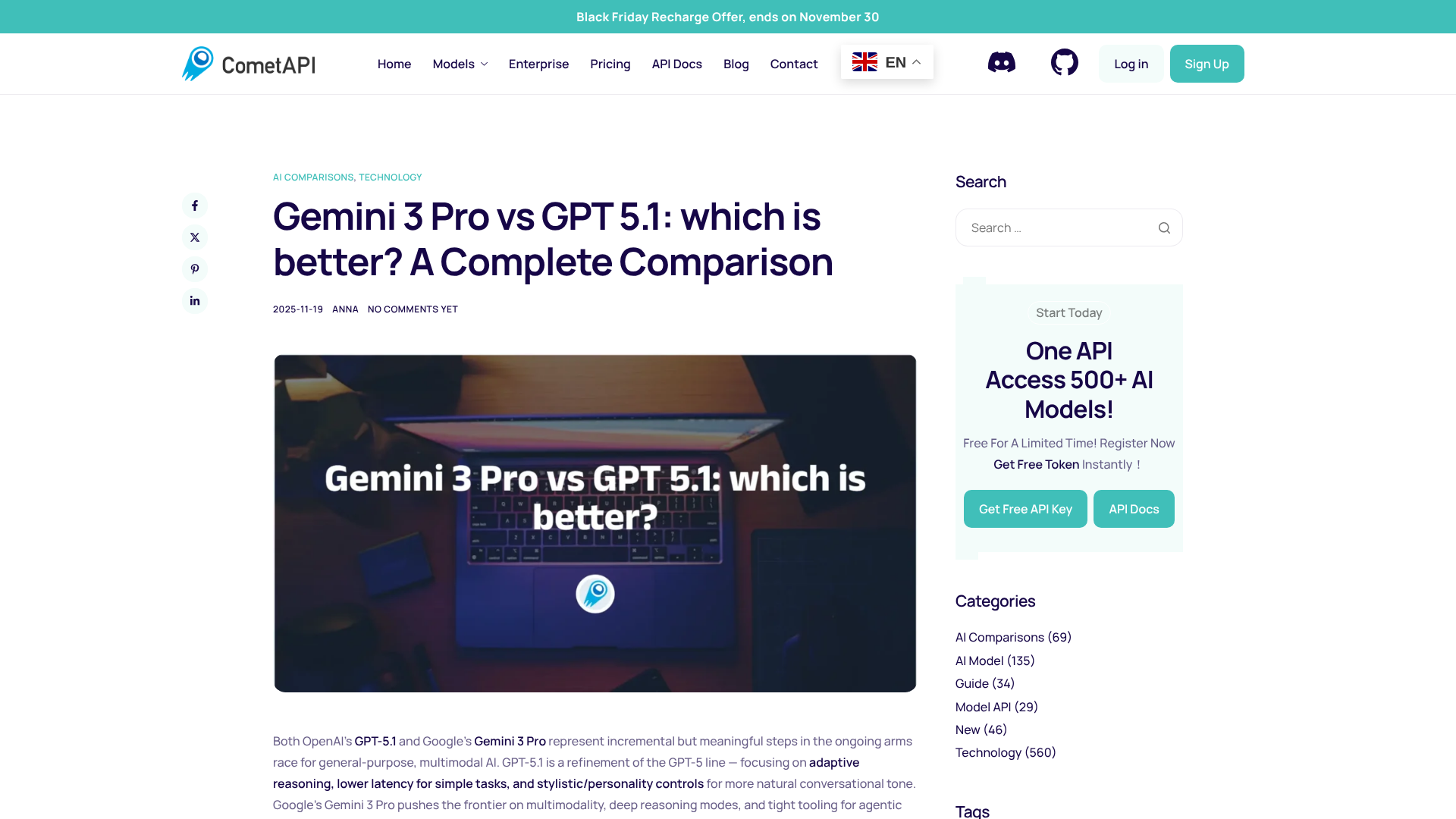
A detailed, use-case-driven comparison of Gemini 3 Pro and GPT-5.1 across context windows, multimodal capabilities, tooling, benchmarks, and pricing.
Google launches Gemini 3.0 with the Antigravity IDE, aiming to outpace Cursor 2.0 in AI-powered coding.