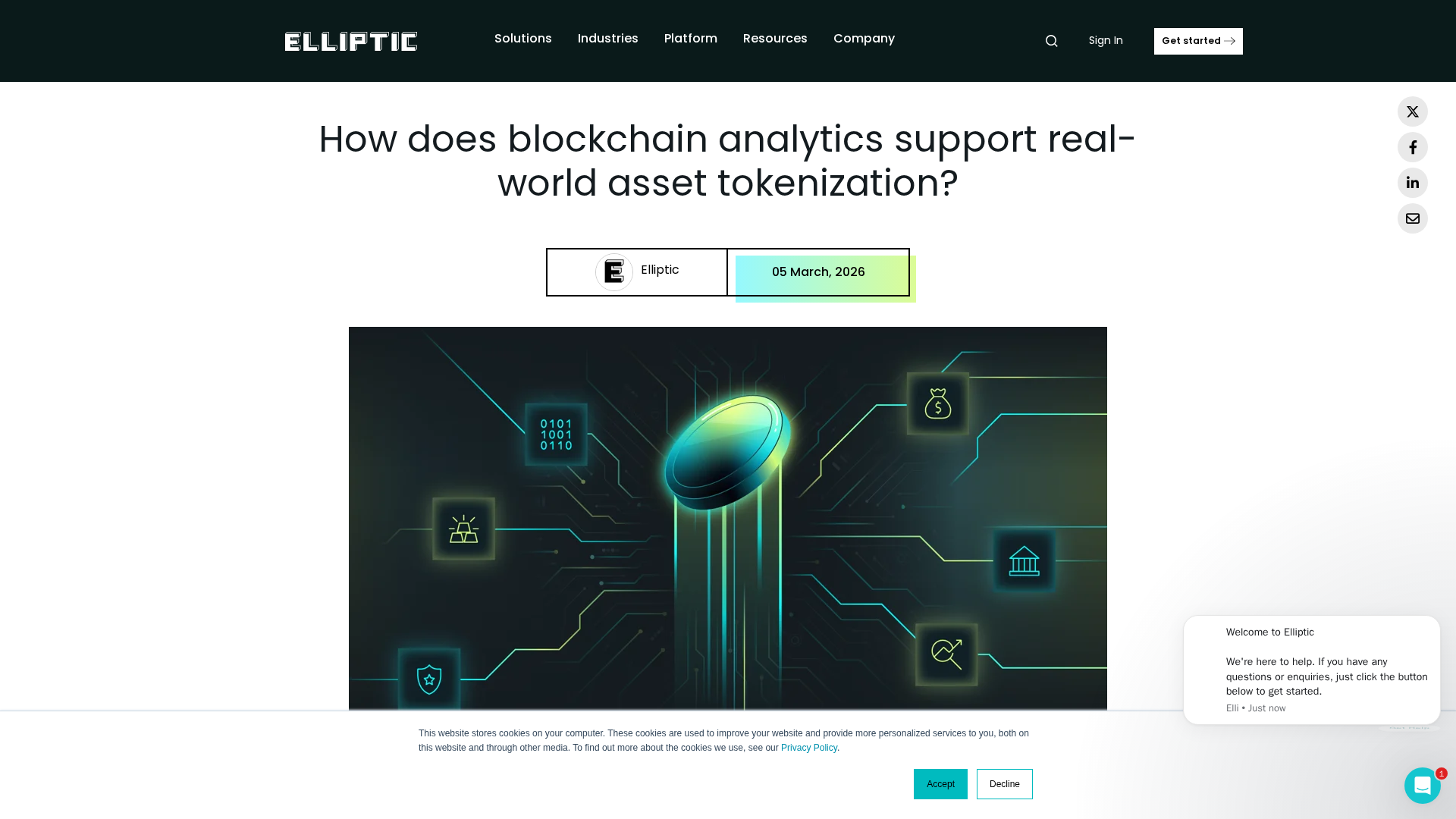
Topic Overview
Tokenized securities and real‑world assets (RWA) are financial instruments represented as tokens on distributed ledgers; bringing them into production requires not just DLT plumbing but an ecosystem of AI capabilities to manage data quality, compliance, automation, and secure decentralized compute. This topic examines platforms and tool categories that organizations use to train and run AI across the token lifecycle: from high‑quality training data and model governance through accounting, reconciliation, and regulatory reporting, to decentralized inference and security controls. Relevance in 2026 stems from broader institutional issuance of tokenized debt, funds and asset-backed tokens, tighter regulatory scrutiny, and operational demands for explainability and audit trails. Effective AI support reduces operational risk (accurate valuations, anomaly detection), accelerates token onboarding, and helps satisfy KYC/AML and reporting obligations. Key tool categories and examples: AI Data Platforms (e.g., DatologyAI) provide automated data curation to convert raw transactional, market and reference datasets into model‑ready inputs for valuation and risk models; Regulatory Compliance Tools and accounting automation (e.g., Bookeeping.ai) handle routine bookkeeping, reconciliation and prepare machine‑readable reports for auditors and regulators; Decentralized AI Infrastructure supports verifiable, privacy‑preserving model execution and federated learning for multi‑party asset ecosystems; AI Security Governance and no‑code agent platforms (e.g., StackAI) enable deployment, policy enforcement, workflow automation and audit logging without heavy engineering. Adoption requires attention to interoperability, model provenance, formal auditability and privacy-preserving techniques (MPC, federated learning, verifiable computation). Organizations should evaluate these tool classes for data lineage, regulatory reporting features, and controls that map to jurisdictional compliance requirements.
Tool Rankings – Top 3

Data-curation-as-a-service to train models faster, better, and smaller.
Your AI Accountant Paula
End-to-end no-code/low-code enterprise platform for building, deploying, and governing AI agents that automate work onun
Latest Articles (19)

Enterprise page promoting Paula AI Accountant to automate 95% of bookkeeping tasks.
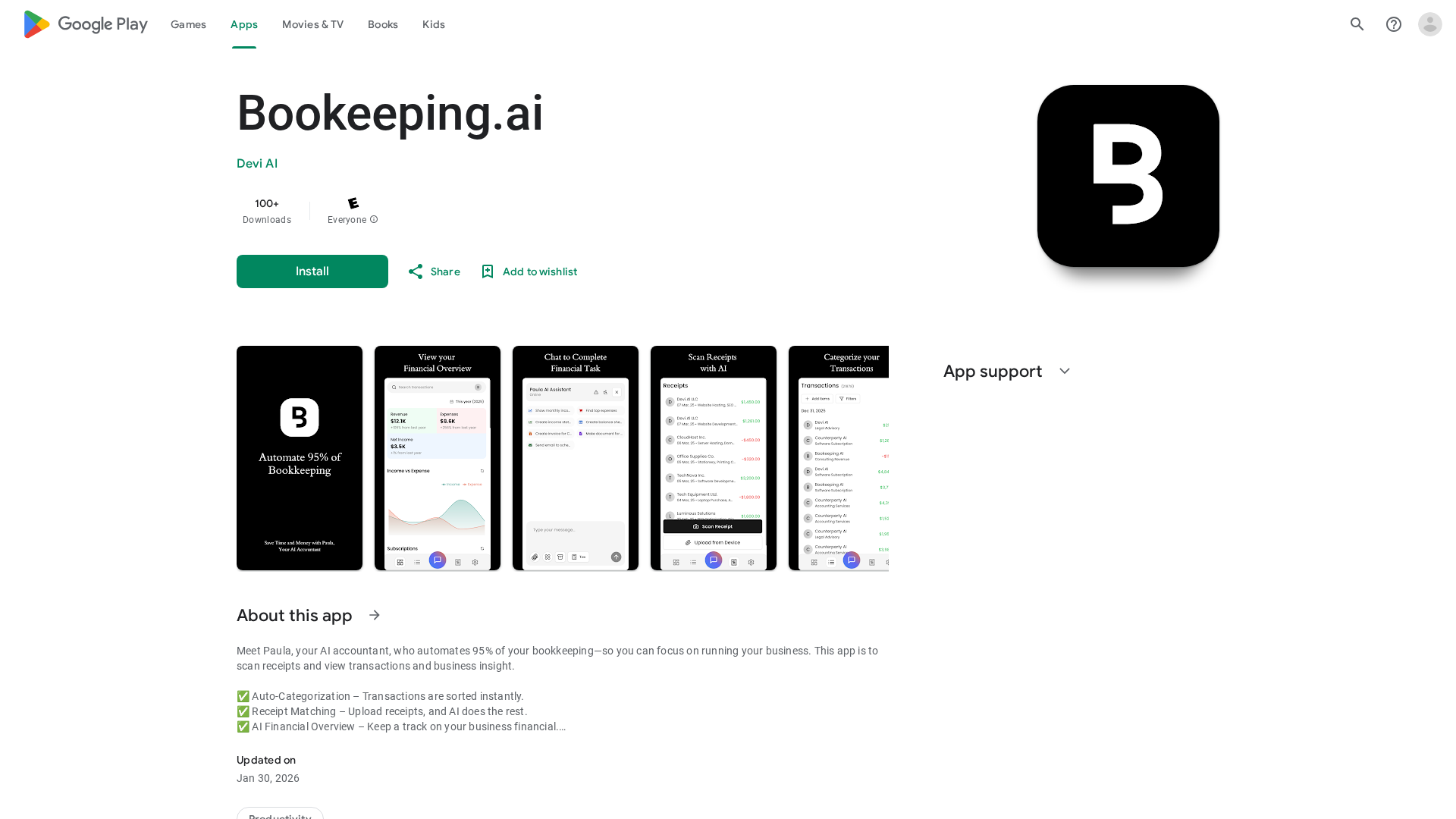
An AI-powered app that auto-categorizes transactions, matches receipts, and provides a financial overview to simplify bookkeeping.
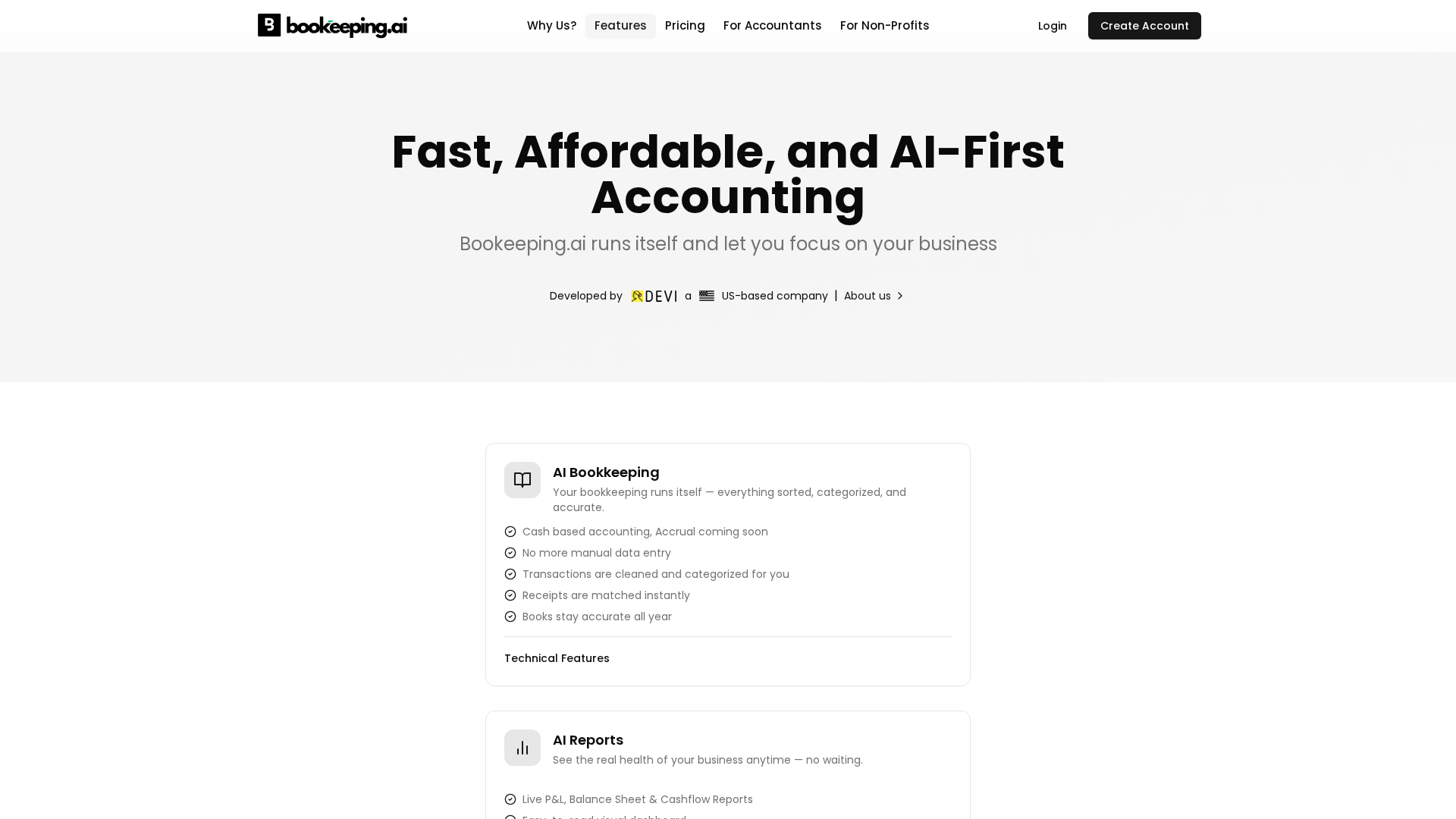
AI-powered, end-to-end bookkeeping with Paula, real-time reports, invoicing, and secure integrations for small businesses.
Profile of the Devi AI-powered team behind Bookeeping.ai, highlighting US roots, awards, and related Visadb.io products.
Chat-based AI accountant Paula automates invoicing, reconciliation, and tax tasks for small businesses.