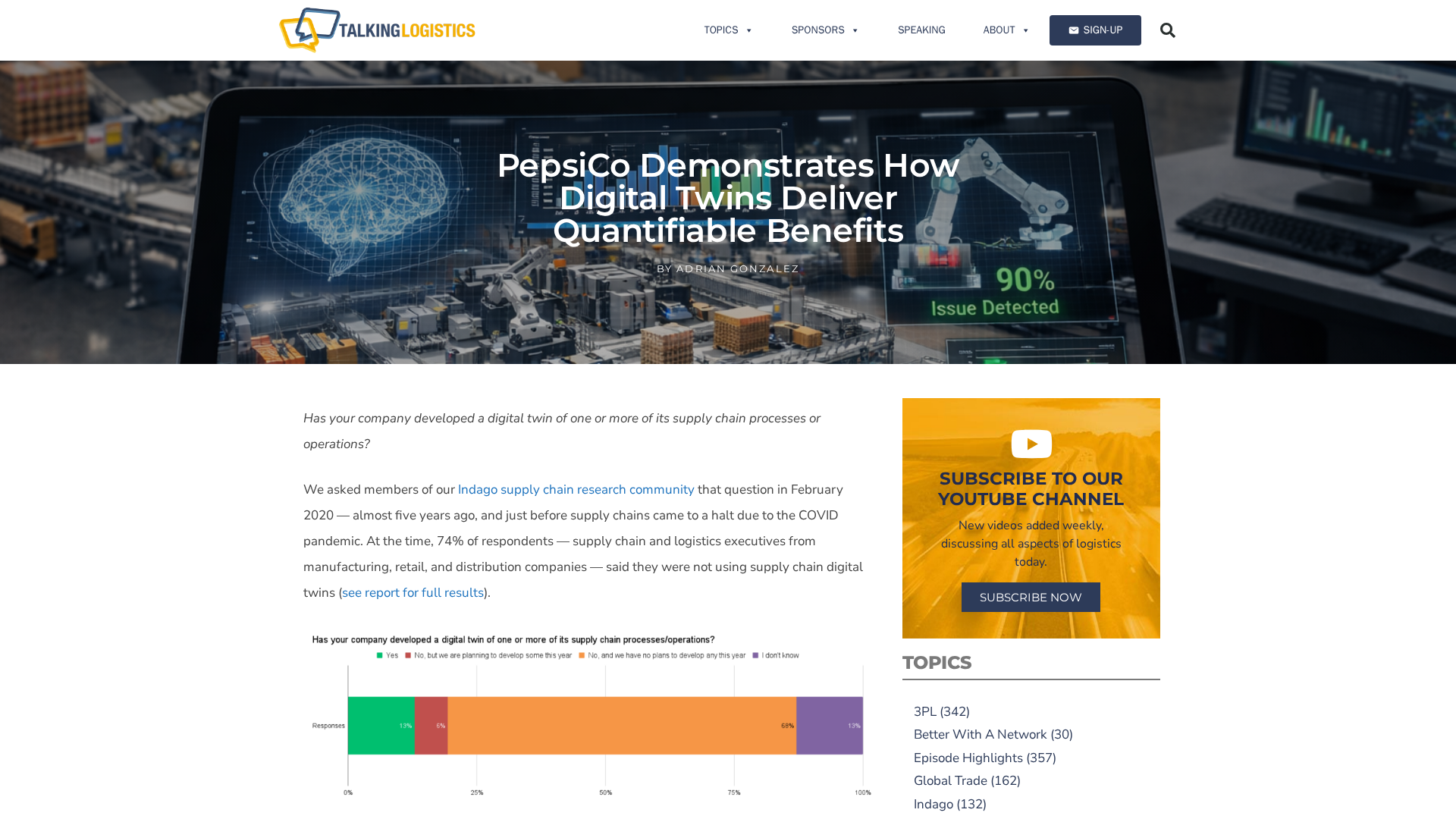
Topic Overview
This topic covers the convergence of AI-powered supply chain platforms and digital twin systems used to model, simulate and operate logistics and manufacturing networks. By combining streaming data, simulation-based digital twins, and agentic AI, enterprises aim to move from periodic planning to continuous, automated decisioning — improving forecasting accuracy, inventory responsiveness and operational resilience. Ongoing enterprise projects (e.g., Siemens, NVIDIA, PepsiCo) signal growing adoption at scale and highlight integration and latency challenges that vendors are addressing. Key categories include AI Data Platforms (ingesting and serving high-frequency telemetry and business data), AI Automation Platforms (agent orchestration and service layers), Autonomous Logistics Tools (route optimization, robotics interfaces, and execution engines), and Data Analytics Tools (forecasting, root-cause analysis, and conversational BI). Representative tools from the market: IPLEXR provides cloud-based real-time demand forecasting and dynamic inventory planning; Tektonic AI combines neural models with symbolic reasoning to automate enterprise workflows via an agent/service layer; StackAI offers no-code/low-code tooling to build, deploy and govern production AI agents; LangChain supplies engineering frameworks for stateful, agentic LLM applications; Julius AI delivers chat-first analytics for fast charts, forecasts and formulas; and Dataisland builds “AI employees” by ingesting documents to train conversational assistants. Current trends include hybrid neural-symbolic agents for safer automation, wider use of no-code platforms to accelerate pilots to production, and growing emphasis on governance, observability and model‑to‑edge latency. Organizations evaluating these solutions should prioritize end‑to‑end data integration, model governance, simulation fidelity of digital twins, and the operational interfaces needed for autonomous logistics execution.
Tool Rankings – Top 6
Next-Gen Supply Chain: AI-Driven, Autonomous, Cost-Effective

AI agents and a service layer blending neural and symbolic reasoning to automate enterprise processes; flagship PrepMe:

End-to-end no-code/low-code enterprise platform for building, deploying, and governing AI agents that automate work onun

Engineering platform and open-source frameworks to build, test, and deploy reliable AI agents.
Chat-first data analyst that turns spreadsheets and connected data sources into charts, forecasts, formulas, and natural
AI employee platform that ingests documents to train conversational assistants for enterprise use.
Latest Articles (60)
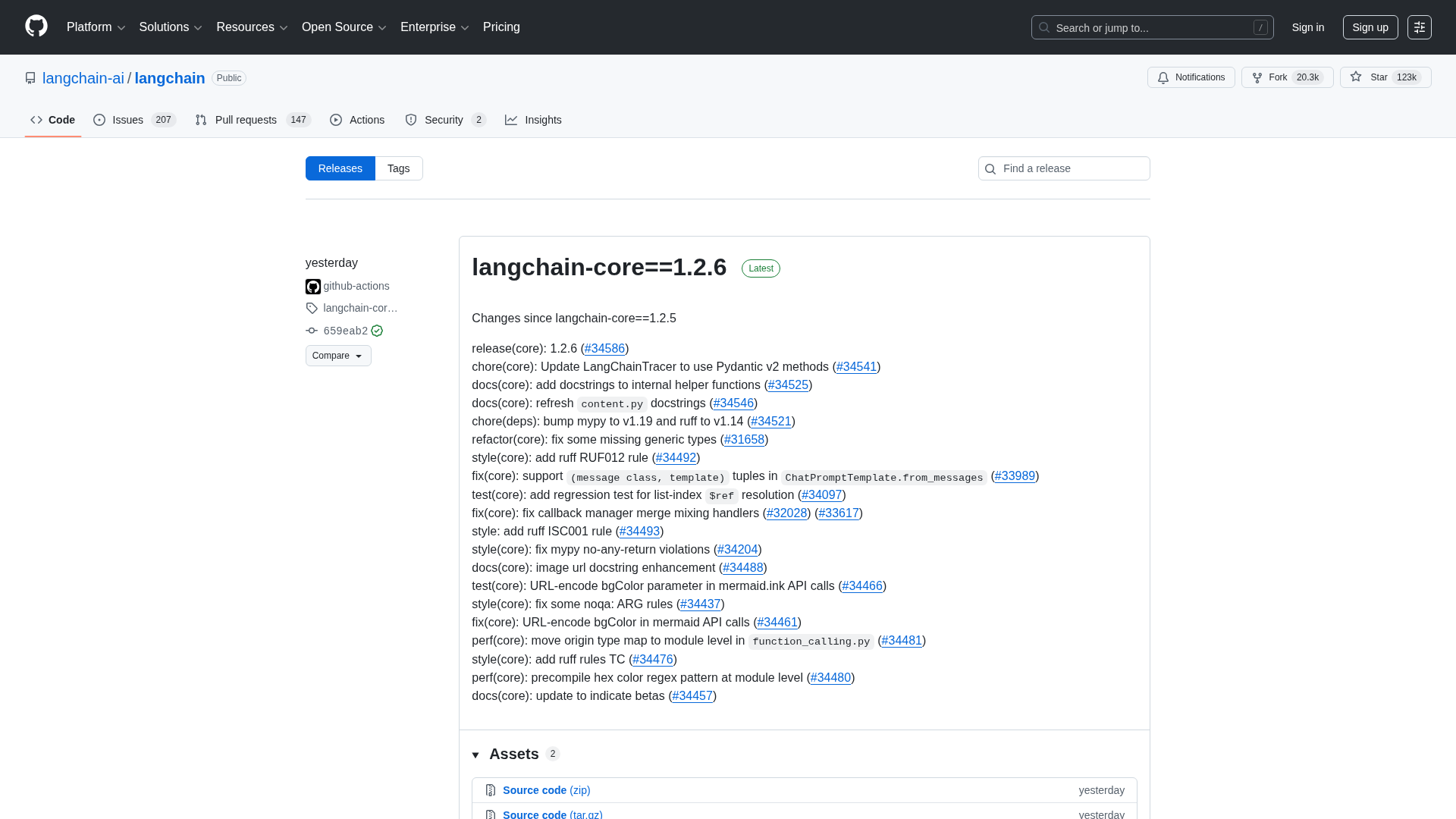
A comprehensive LangChain releases roundup detailing Core 1.2.6 and interconnected updates across XAI, OpenAI, Classic, and tests.

Cannot access the article content due to an access-denied error, preventing summarization.

A quick preview of POE-POE's pros and cons as seen in G2 reviews.
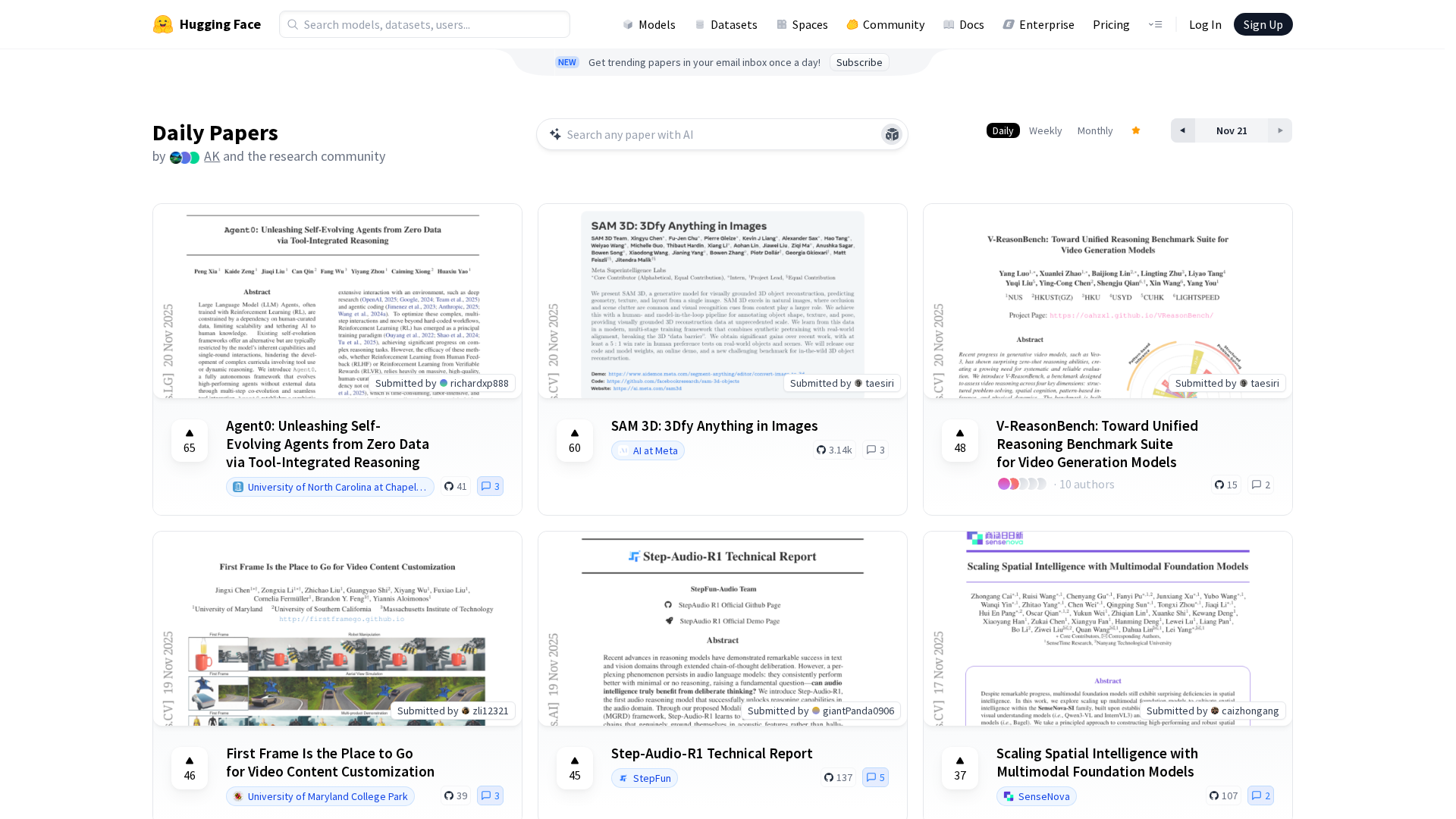
Get daily, curated trending ML papers delivered straight to your inbox.
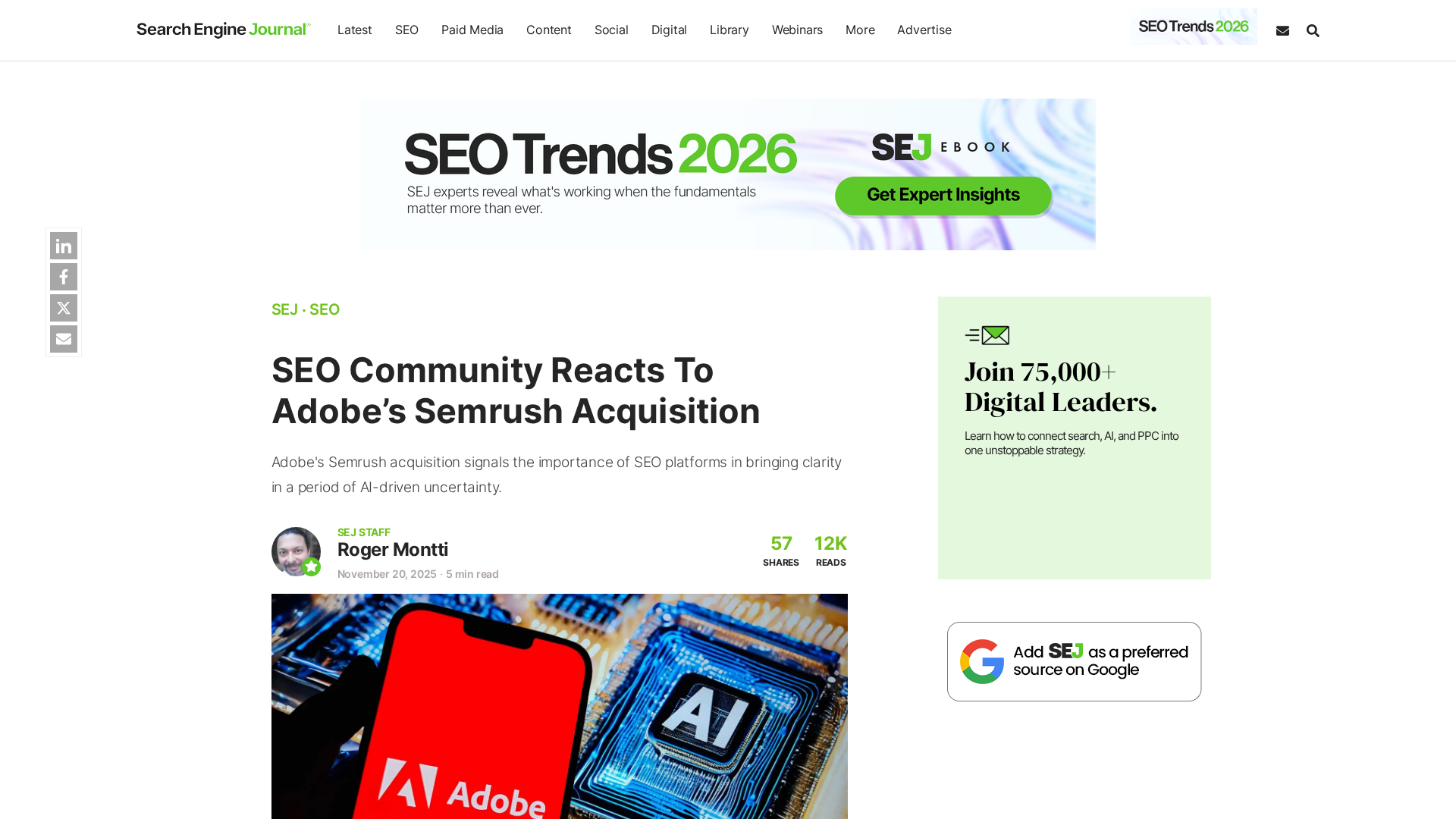
Adobe’s Semrush acquisition signals a major AI-driven shift and potential consolidation in SEO tools.