Topic Overview
This topic covers the tools and patterns used to connect enterprise business data to AI systems—covering data connectors, retrieval‑augmented generation (RAG) platforms, vector databases, and Snowflake/SaaS integrations—so teams can build reliable, governed AI applications. By 2026, organizations prioritize production-ready pipelines that combine fast semantic retrieval, secure access to transactional and analytical stores, and developer and low‑code tooling for deployment and observability. Key categories include AI Data Platforms (vector stores, ingestion and governance), Data Analytics Tools (chat‑first analysts and CX intelligence), and Low‑Code Workflow Platforms (visual agent builders and integration layers). Representative tools: LangChain (developer SDKs and orchestration for LLM apps and RAG workflows), Pinecone (serverless vector database for semantic search and retrieval), Julius AI (chat‑first data analyst for spreadsheets and connected sources), MindStudio (no‑code/low‑code visual platform for designing and operating AI agents), Dataisland (document ingestion and conversational assistants), CX Analytics Platform (multichannel customer data connectors and unified insights), and Pezzo (prompt management, versioning, observability, and fast deployments). Practical considerations in 2026 include secure Snowflake and SaaS connectors for real‑time and historical data access, embedding pipelines (vectorization and index management), cost and latency tradeoffs for production RAG, and governance controls for privacy and auditability. Teams often mix developer frameworks (LangChain, Pezzo) with low‑code platforms (MindStudio, Julius) and managed services (Pinecone, Dataisland) to balance speed, control, and compliance. Choosing the right stack depends on data types (documents, events, analytics), SLAs, and organizational governance—making connector quality, observability, and integration with Snowflake/SaaS ecosystems the decisive factors for successful AI deployments.
Tool Rankings – Top 6

An open-source framework and platform to build, observe, and deploy reliable AI agents.
Fully managed, serverless vector database focused on production-grade semantic search, retrieval-augmented generation (R
Chat-first data analyst that turns spreadsheets and connected data sources into charts, forecasts, formulas, and natural

No-code/low-code visual platform to design, test, deploy, and operate AI agents rapidly, with enterprise controls and a
Holistic customer intelligence, fast outcomes
AI employee platform that ingests documents to train conversational assistants for enterprise use.
Latest Articles (31)

AI-powered VoC insights reveal GLP-1 usage patterns, denim brand shifts, and global CX partnerships.
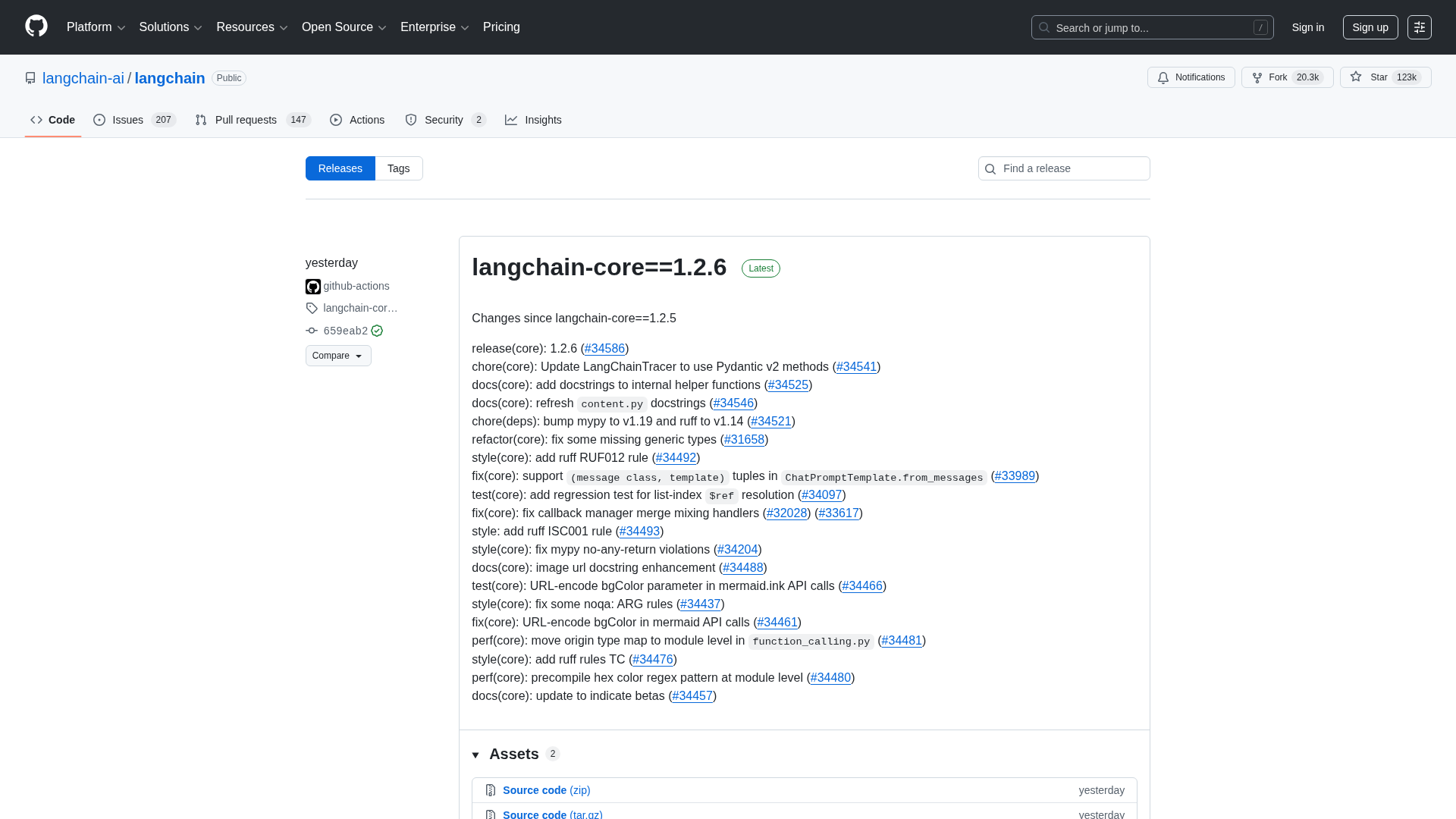
A comprehensive LangChain releases roundup detailing Core 1.2.6 and interconnected updates across XAI, OpenAI, Classic, and tests.

AI-powered CX analytics with 1,000+ connectors, unsupervised theme analysis, GenAI insights, and rapid deployment.

Take a hands-on tour of Clootrack's AI-powered CX analytics platform and see how it drives faster insights, improved NPS, and revenue growth.
A reproducible bug where LangGraph with Gemini ignores tool results when a PDF is provided, even though the tool call succeeds.