Topic Overview
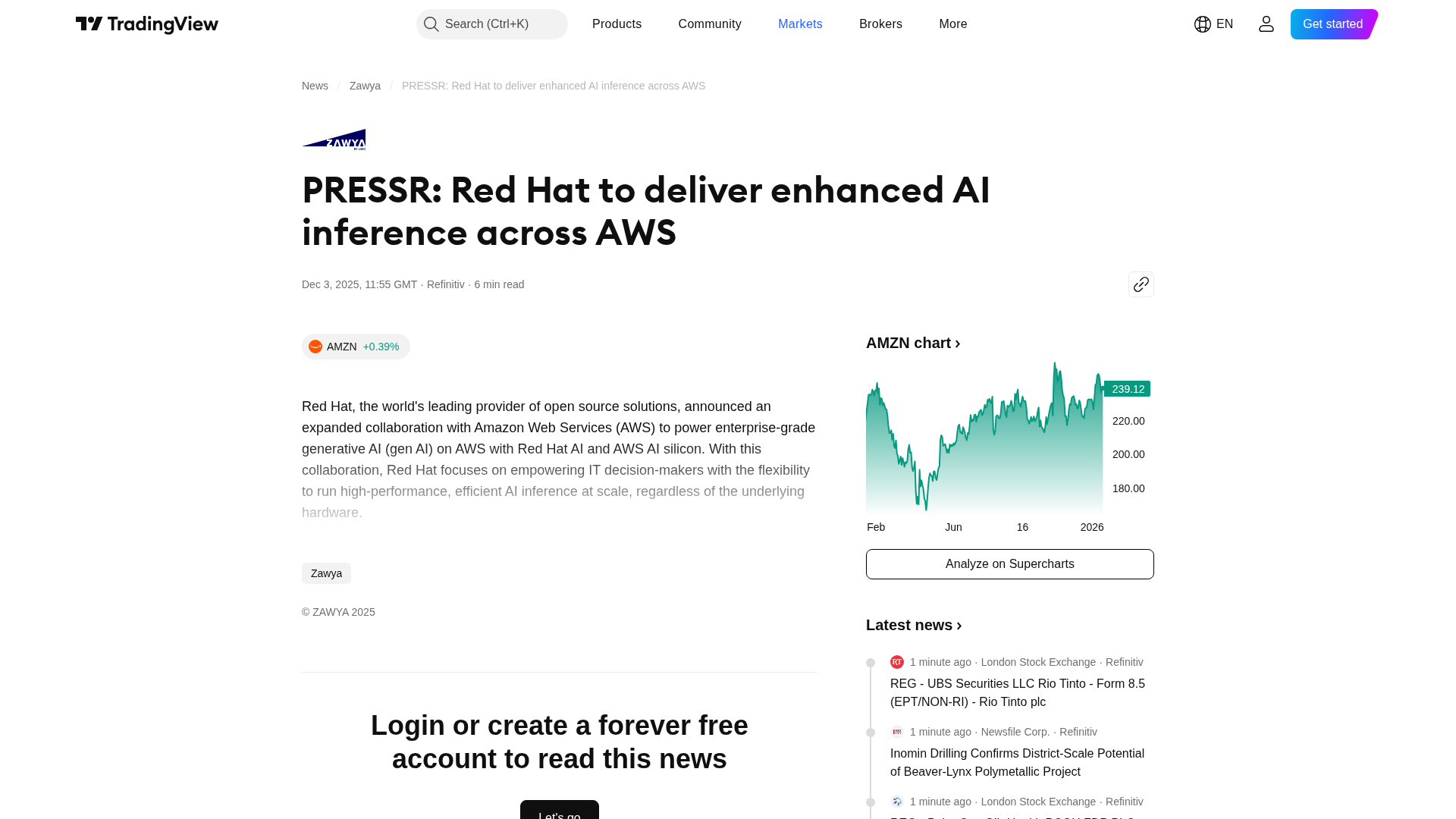
This topic covers enterprise AI inference servers geared to AWS Trainium and Inferentia accelerators and compares Red Hat’s inference offering with alternative stacks across decentralized infrastructure and AI data-platform workflows. By 2026, enterprises are choosing inference solutions that balance throughput, energy efficiency, governance, and operational portability — particularly for LLM and multimodal workloads that benefit from Trainium/Inferentia’s Neuron-optimized runtimes. Red Hat’s AI inference server is positioned as an enterprise, Kubernetes-native option emphasizing secure, containerized model serving, policy-driven controls, and integration with existing OpenShift/Red Hat stacks. Alternatives take different approaches: Rebellions.ai delivers purpose-built inference accelerators, GPU-class software, and server designs focused on hyperscale energy efficiency; OpenPipe provides a managed AI data platform to capture interaction logs, fine-tune models, evaluate them, and host optimized inference; Tabby and Tabnine represent self-hosted and enterprise-focused assistant stacks with built-in model serving and developer integrations; MindStudio targets low-code/no-code design and deployment of agents with enterprise controls. Key trade-offs include specialization versus portability (hardware-optimized stacks like Rebellions or Neuron-accelerated deployments can win on throughput and energy per token but require vendor SDKs and tighter coupling), managed versus self-hosted governance (OpenPipe and Red Hat favor enterprise controls and compliance), and developer experience for productized agents (Tabby/Tabnine/MindStudio). For decentralized AI infrastructure and AI data platforms, successful deployments combine efficient accelerator use, observability and logging for continuous evaluation, and Kubernetes-native orchestration to enable hybrid on‑prem/cloud models. Selecting between Red Hat and alternatives depends on priorities: accelerator specialization and energy efficiency, integrated data pipelines and managed hosting, or self-hosted control and developer ergonomics.
Tool Rankings – Top 5

Energy-efficient AI inference accelerators and software for hyperscale data centers.

Managed platform to collect LLM interaction data, fine-tune models, evaluate them, and host optimized inference.
.avif)
Open-source, self-hosted AI coding assistant with IDE extensions, model serving, and local-first/cloud deployment.

Enterprise-focused AI coding assistant emphasizing private/self-hosted deployments, governance, and context-aware code.

No-code/low-code visual platform to design, test, deploy, and operate AI agents rapidly, with enterprise controls and a
Latest Articles (34)
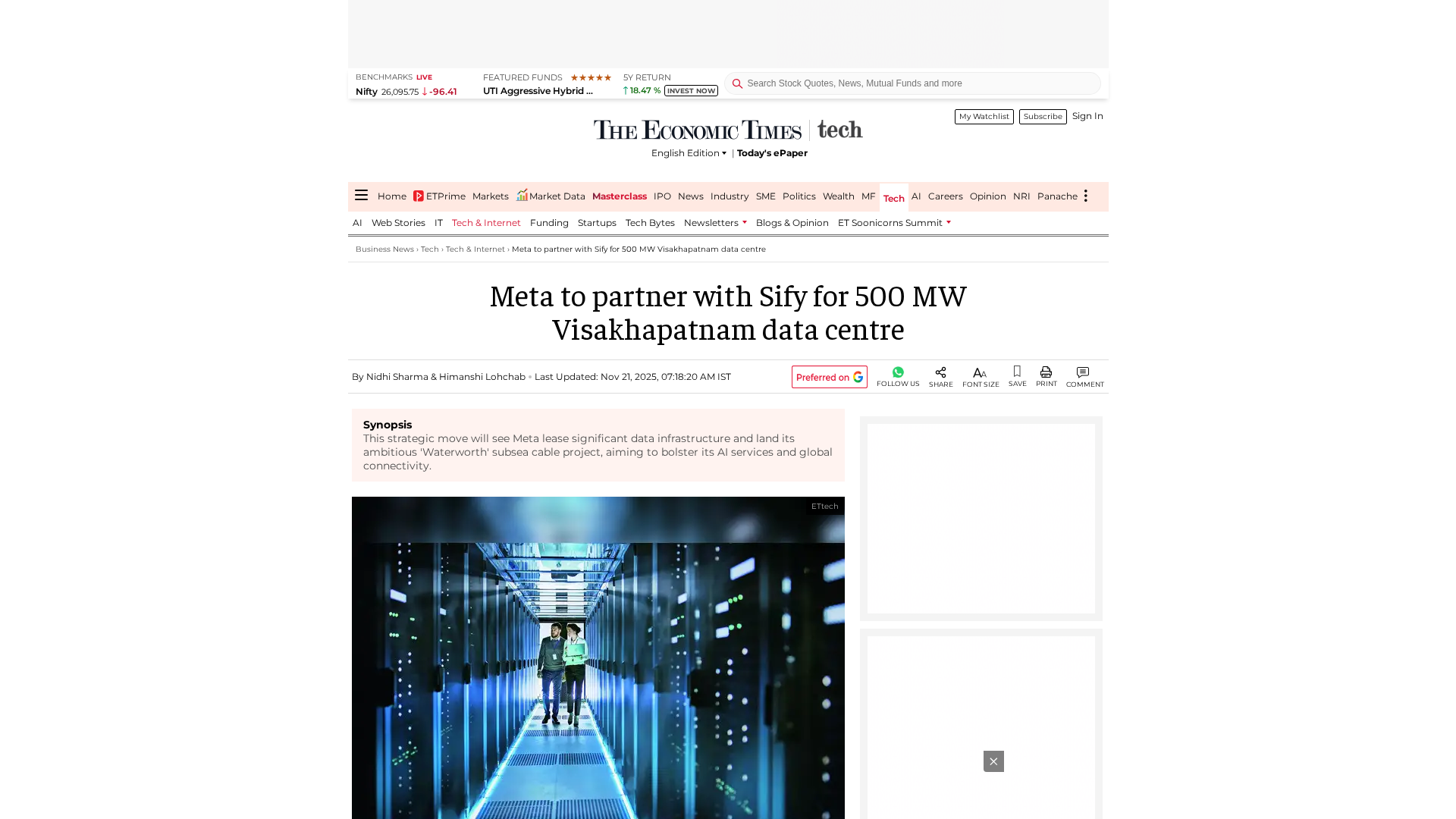
Meta to lease 500 MW Visakhapatnam data centre capacity from Sify and land Waterworth submarine cable.
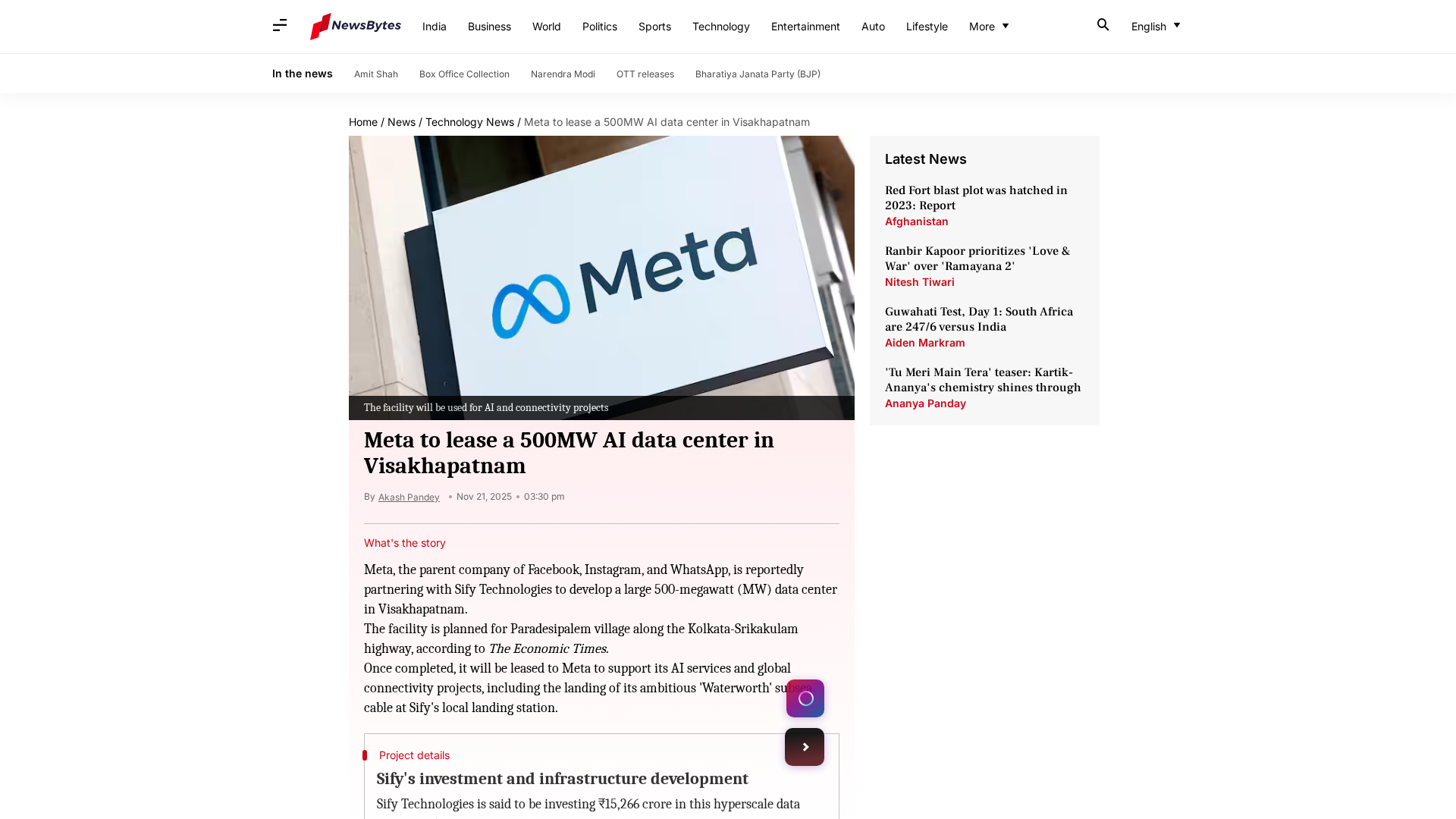
Meta plans a 500MW AI data center in Visakhapatnam with Sify, linked to the Waterworth subsea cable.
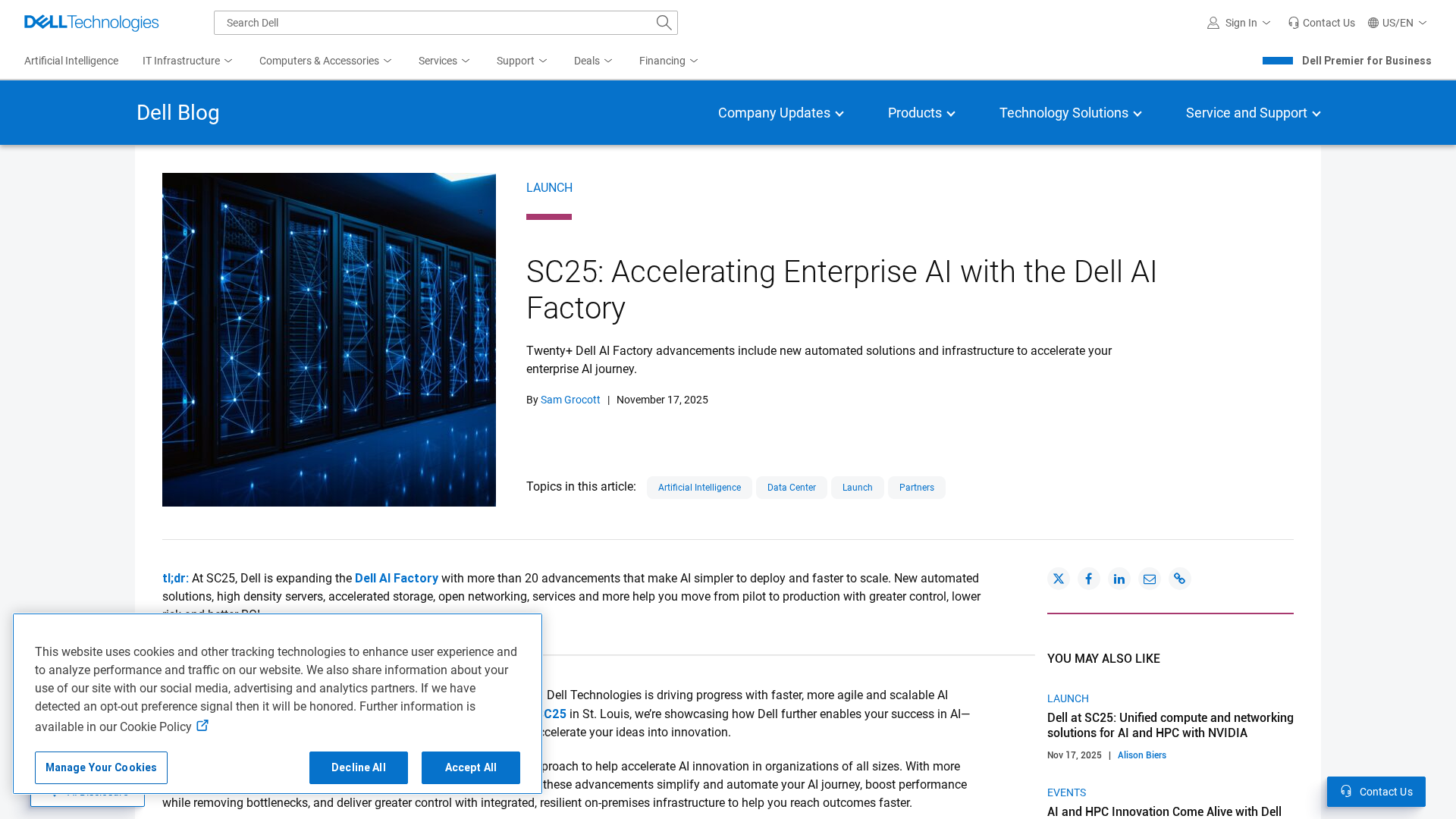
Dell unveils 20+ advancements to its AI Factory at SC25, boosting automation, GPU-dense hardware, storage and services for faster, safer enterprise AI.
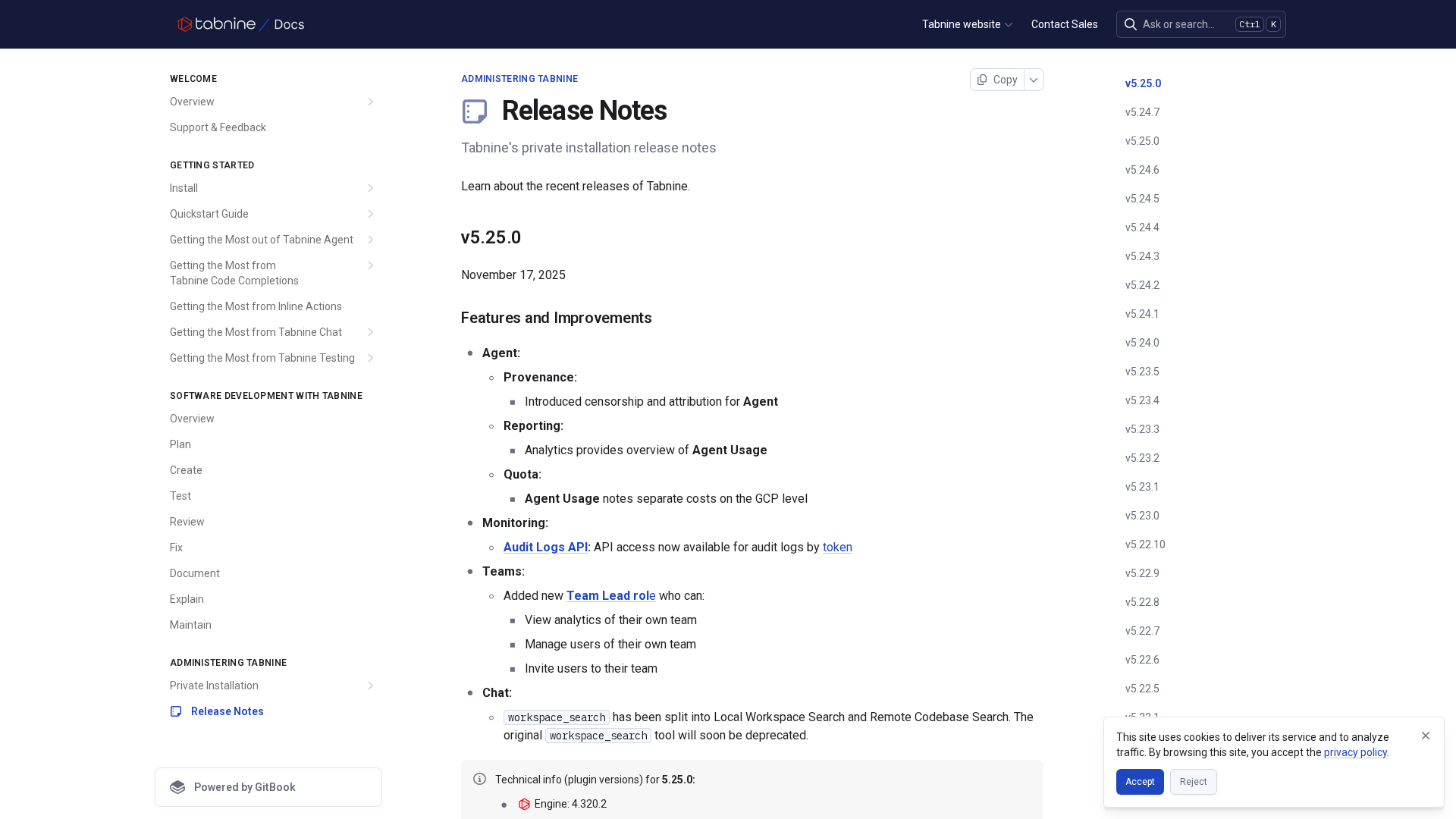
Comprehensive private-installation release notes detailing new features, improvements, and fixes across multiple Tabnine versions.
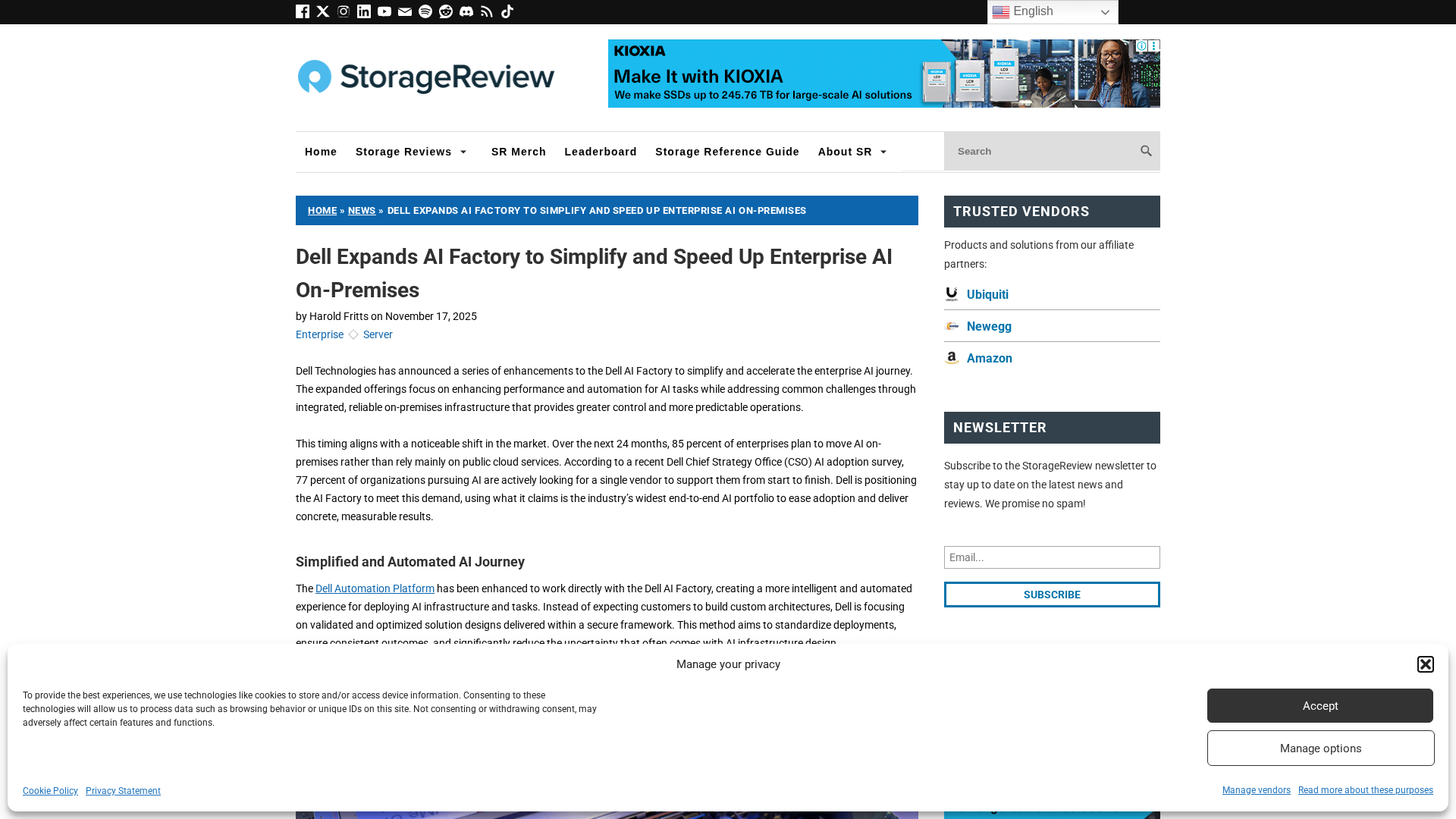
Dell expands its AI Factory with automated on-prem infrastructure, new PowerEdge servers, enhanced storage software, and scalable networking for enterprise AI.