Topic Overview
This topic examines how major providers’ enterprise GenAI model suites (Amazon Nova, Anthropic, Google, OpenAI) are being evaluated and adopted by organizations that need production-grade performance, integrations, and controls. In 2025 the conversation has shifted from raw capability to deployment models: hybrid/cloud options, multi-model orchestration, cost/performance tradeoffs, and demonstrable governance. That makes adjacent categories—AI tool marketplaces, AI data platforms, and AI governance/observability—central to any comparison. Marketplace and integration layers determine how easily businesses can discover and stitch models into apps or pipelines; interoperability tools and APIs (for example, AskCodi’s OpenAI-compatible routing) reflect the demand for cross-vendor model mixing. AI data platforms and RAG workflows underpin enterprise use cases—feeding retrieval-augmented generation, fine-tuning, and data-provenance controls. Examples in this space include Microsoft 365 Copilot’s productivity embedding and IBM watsonx Assistant’s no-code/dev tooling for virtual agents; both show how suites are packaged as application-first offerings. Vertical and operational platforms like Observe.AI (contact-center AI) and HubSpot’s Breeze (context-aware customer platform AI) illustrate how vendors combine models with domain data and workflows. Governance and observability have moved from optional to required: tools such as RagaAI for testing, debugging, guardrails, and agent observability are increasingly paired with model suites to enforce safety, compliance, and performance SLAs. Developer-focused platforms (Windsurf for agentic coding experiences) and routing layers (AskCodi) highlight trends toward agentization and multi-model toolchains. Comparing suites therefore requires looking beyond model quality to integration ecosystems, data tooling, and governance capabilities—factors that determine whether an enterprise can operationalize GenAI reliably and at scale.
Tool Rankings – Top 6
AI assistant integrated across Microsoft 365 apps to boost productivity, creativity, and data insights.

Enterprise virtual agents and AI assistants built with watsonx LLMs for no-code and developer-driven automation.

Enterprise conversation-intelligence and GenAI platform for contact centers: voice agents, real-time assist, auto QA, &洞

Breeze — HubSpot’s unified, context-aware AI suite embedded across its Customer Platform.

The All‑in‑One Platform to Evaluate, Debug, and Scale AI Agents

AI-native IDE and agentic coding platform (Windsurf Editor) with Cascade agents, live previews, and multi-model support.
Latest Articles (74)
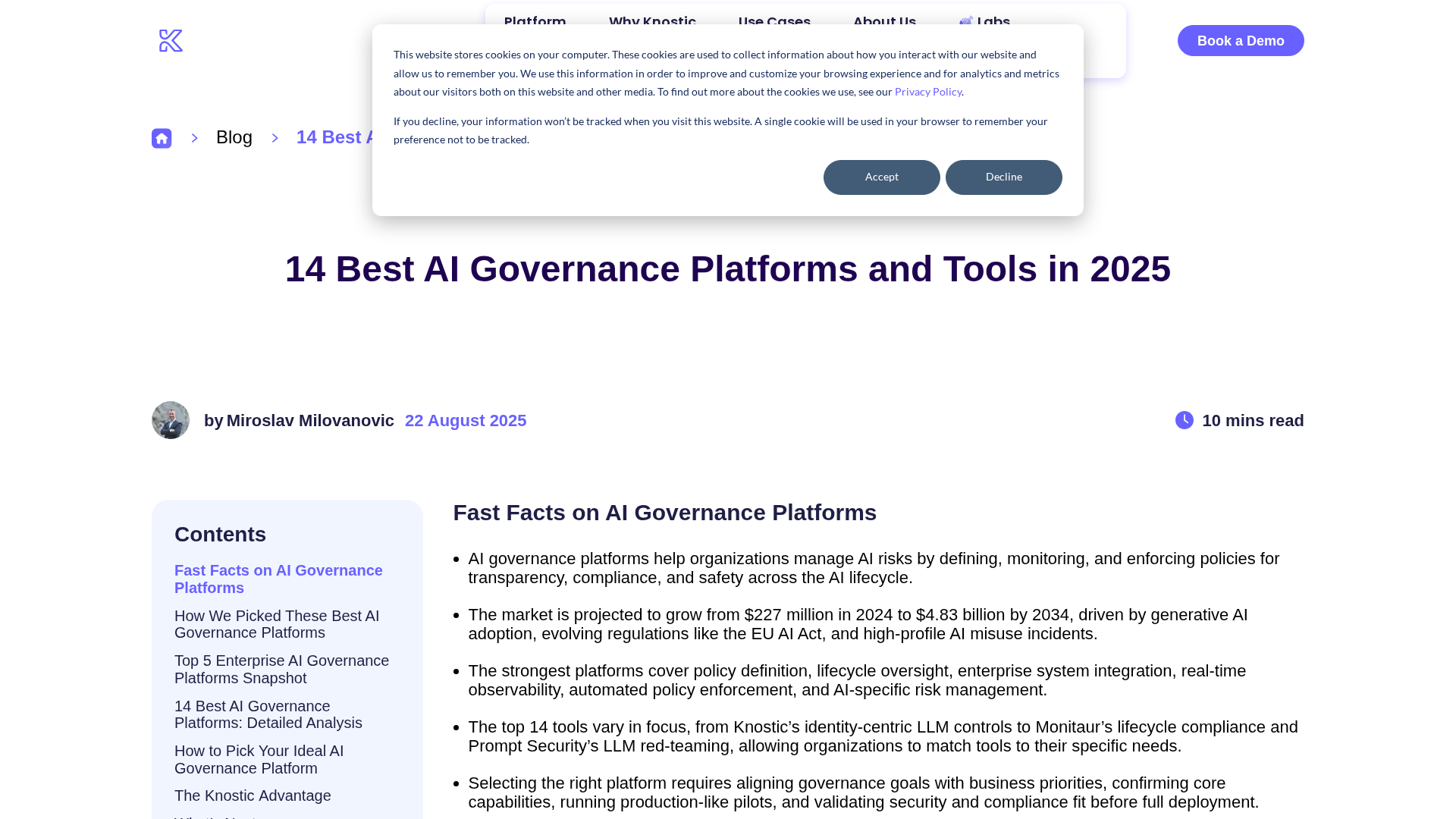
A vendor‑agnostic guide to the 14 best AI governance platforms in 2025, with criteria, comparisons, and practical buying guidance.
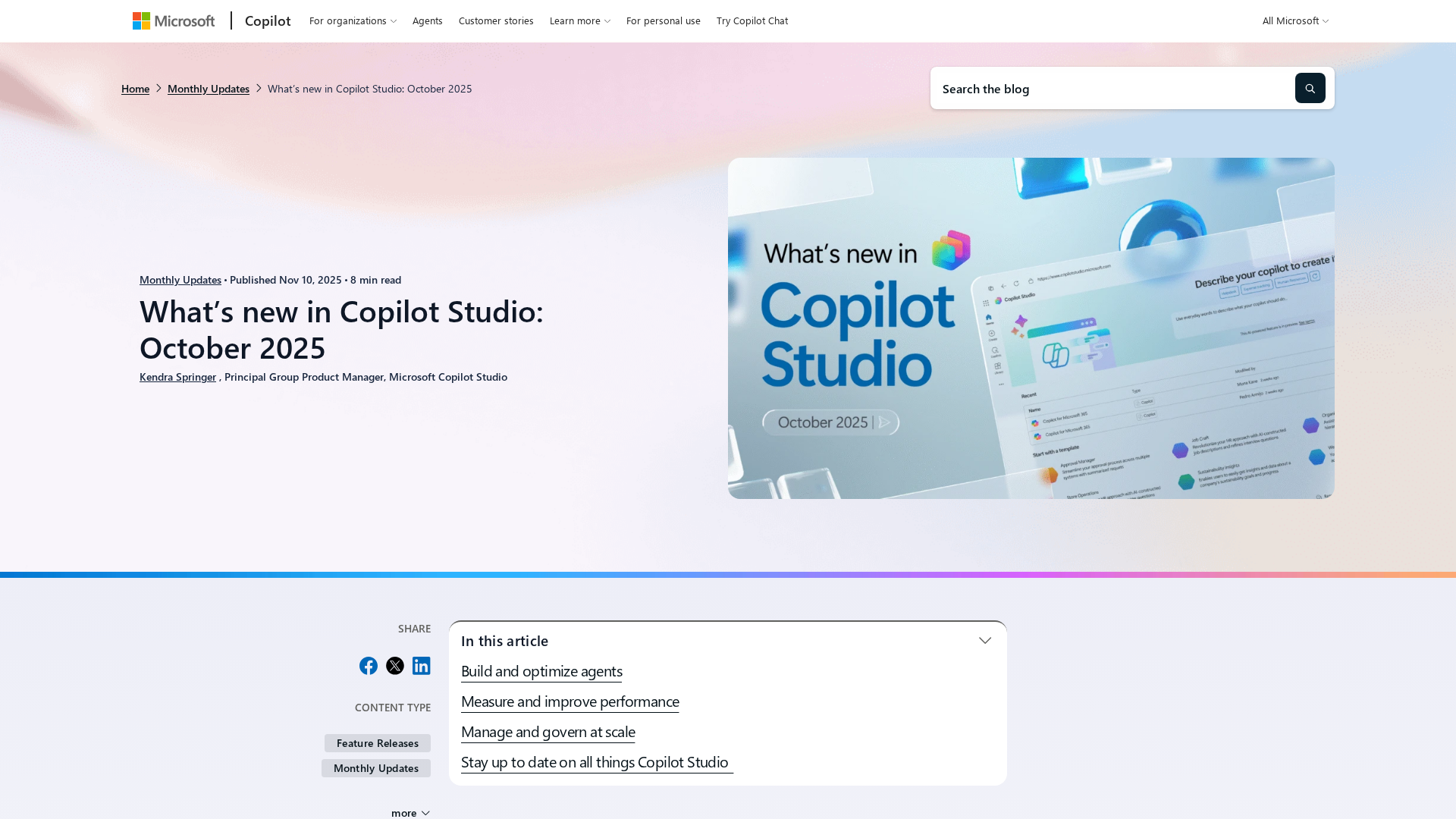
A comprehensive October 2025 roundup of Copilot Studio’s new testing, model, and governance features.
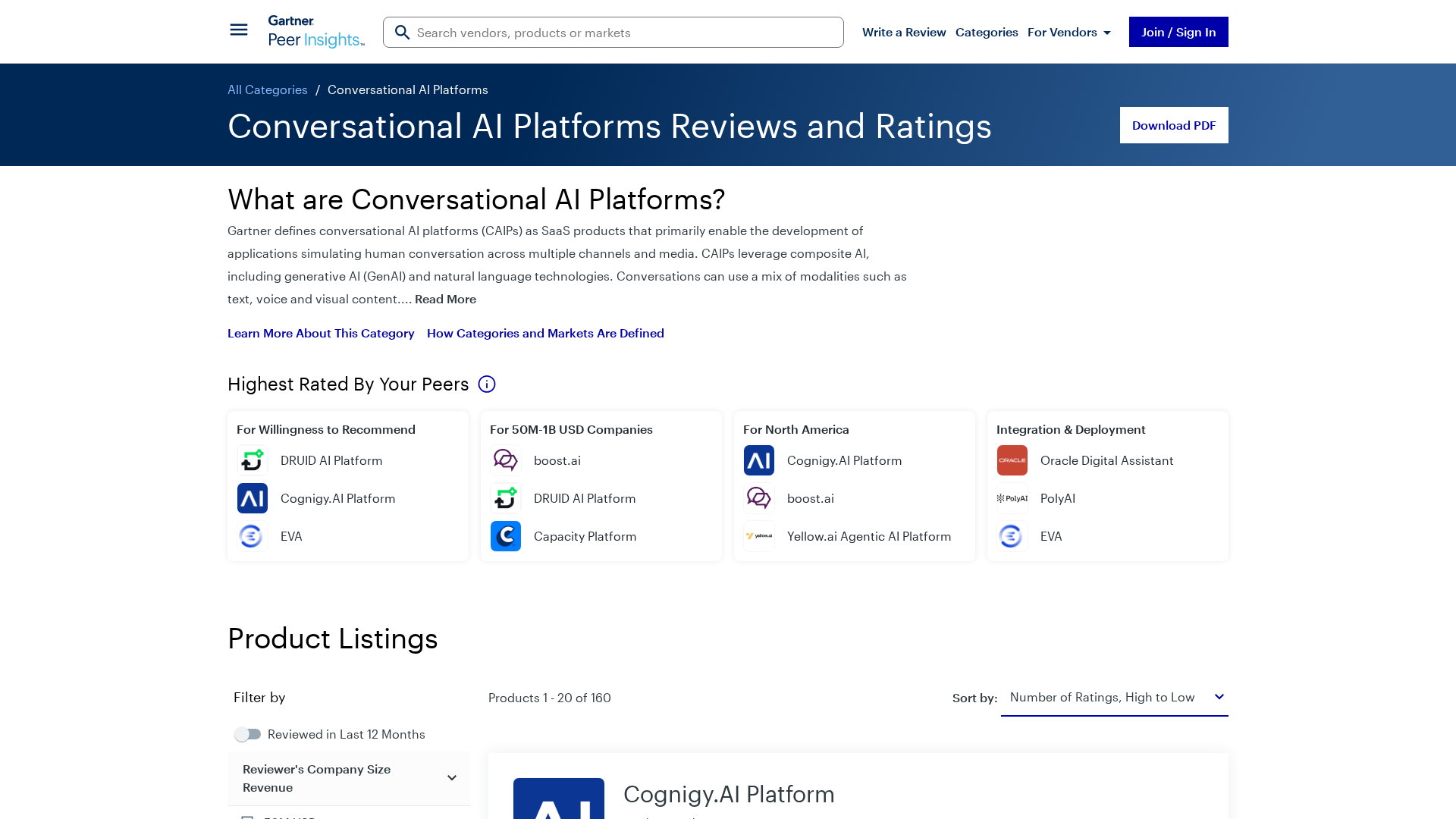
Gartner’s market view on conversational AI platforms, outlining trends, vendors, and buyer guidance.

Adobe nears a $19 billion deal to acquire Semrush, expanding its marketing software capabilities, according to WSJ reports.
Wolters Kluwer expands UpToDate Expert AI with UpToDate Lexidrug to bolster drug information and medication decision support.