
Topic Overview
This topic covers how large organizations deploy generative AI by combining enterprise data platforms with managed model partnerships — for example, integrating Snowflake’s data and marketplace capabilities with third‑party models from Anthropic, OpenAI and others. The focus is on practical concerns: secure access to enterprise data, model selection and orchestration, governance and compliance, developer workflows, and the role of curated marketplaces and managed service agreements in reducing integration risk. Relevance and timing (late 2025): enterprises are moving beyond pilot projects to production GenAI use cases that demand consistent governance, data residency controls, and predictable operational profiles. Managed model partnerships and platform‑level marketplaces shorten time to value by providing vetted models, billing/SLA frameworks, multi‑model access and prebuilt connectors to enterprise systems — but they introduce tradeoffs around vendor lock‑in, provenance and cost control. Key tools and categories: Snowflake and similar AI data platforms act as repositories, governance layers and integration hubs; Anthropic’s Claude family and OpenAI’s APIs provide conversational and developer‑oriented model families; Microsoft 365 Copilot, IBM watsonx Assistant and Harvey illustrate enterprise assistants and domain‑specific platforms for business workflows; GitHub Copilot, Windsurf (formerly Codeium), Tabnine and Salesforce CodeT5 represent developer‑focused coding models and agentic tooling. Together these categories — AI data platforms and AI tool marketplaces — enable secure model consumption, indexing of enterprise knowledge, and embedding capabilities into apps and developer workflows. Practical considerations: prioritize data governance, multi‑model and private‑deployment options, model provenance and SLAs, integration cost and latency, and developer experience. Evaluating managed partnerships means weighing operational simplicity against control, compliance and long‑term extensibility.
Tool Rankings – Top 6
AI assistant integrated across Microsoft 365 apps to boost productivity, creativity, and data insights.
Anthropic's Claude family: conversational and developer AI assistants for research, writing, code, and analysis.

Enterprise virtual agents and AI assistants built with watsonx LLMs for no-code and developer-driven automation.

An AI pair programmer that gives code completions, chat help, and autonomous agent workflows across editors, theterminal

AI-native IDE and agentic coding platform (Windsurf Editor) with Cascade agents, live previews, and multi-model support.

Enterprise-focused AI coding assistant emphasizing private/self-hosted deployments, governance, and context-aware code.
Latest Articles (77)
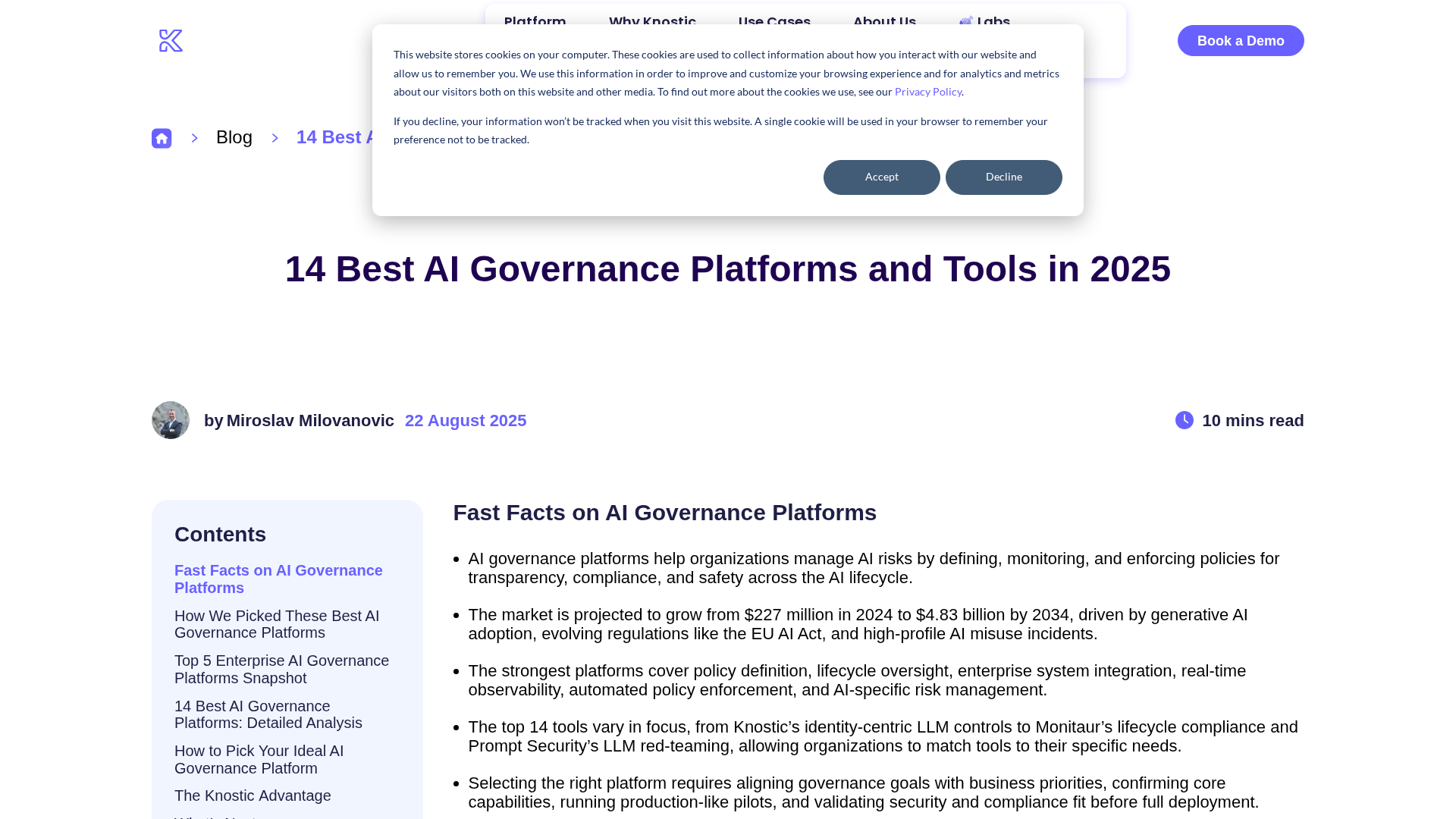
A vendor‑agnostic guide to the 14 best AI governance platforms in 2025, with criteria, comparisons, and practical buying guidance.
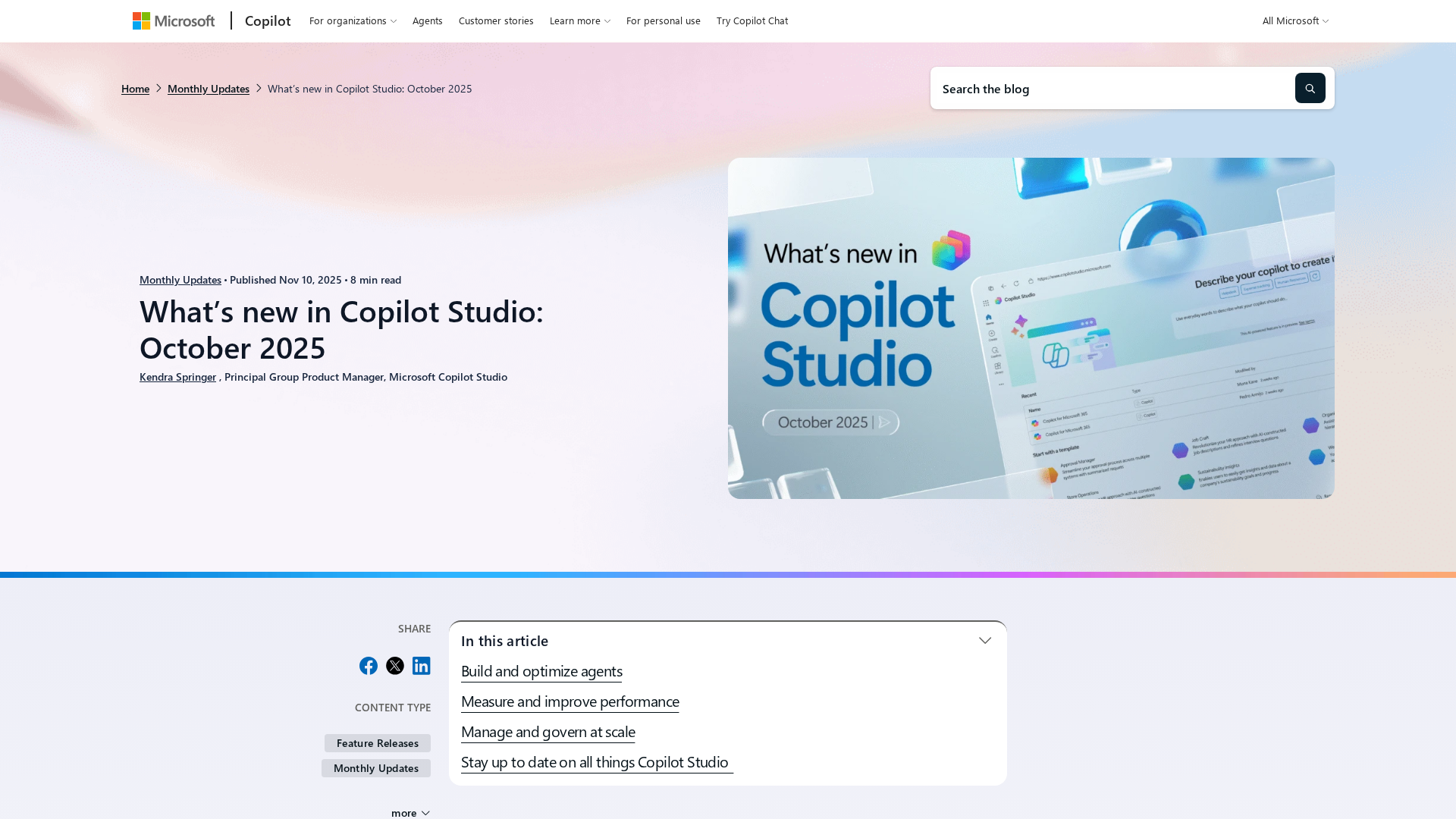
A comprehensive October 2025 roundup of Copilot Studio’s new testing, model, and governance features.

Adobe nears a $19 billion deal to acquire Semrush, expanding its marketing software capabilities, according to WSJ reports.
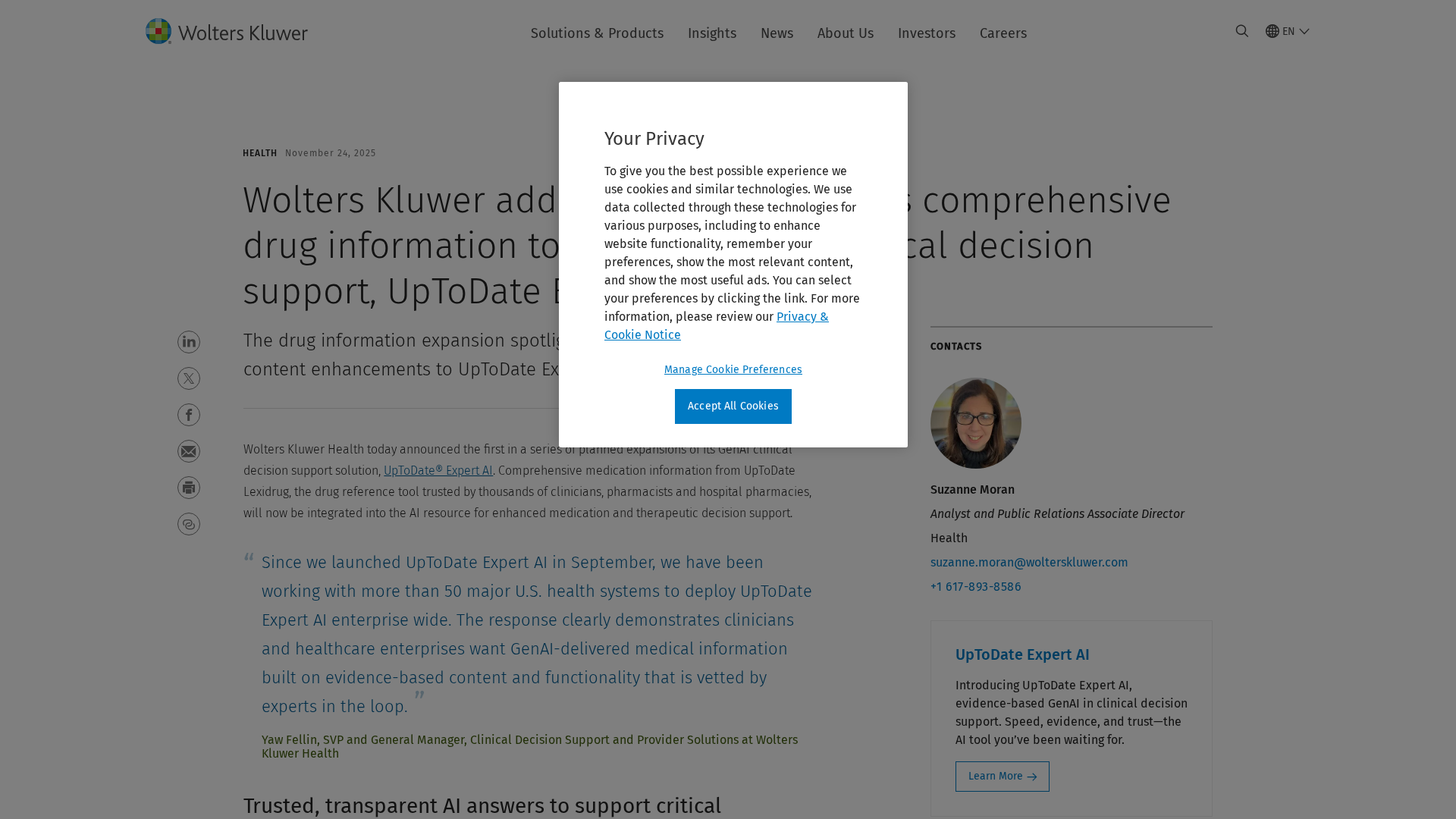
Wolters Kluwer expands UpToDate Expert AI with UpToDate Lexidrug to bolster drug information and medication decision support.
A practical, step-by-step guide to fine-tuning large language models with open-source NLP tools.