Topic Overview
This topic surveys the leading generative AI tools shaping coding and data‑science workflows as of 2025–2026: code-specialized models, AI coding assistants, agentic IDEs, and data/platform primitives that power production agents. Generative AI for code now spans lightweight pair‑programmers (inline completions and chat) to autonomous agents that plan, execute and monitor multi‑step development and analytics tasks. Key examples include GitHub Copilot (IDE-integrated code completions and Copilot Chat), Replit (web-native IDE with hosted agents), and Windsurf (an AI-native editor with agent cascades and live previews). On the model side, Code Llama and Salesforce’s CodeT5 series provide code‑focused LLMs for generation and understanding; Tabnine, Tabby and other self‑hosted options emphasize enterprise governance and private deployments. Engineering and orchestration layers—LangChain, AutoGPT, GPTConsole and Agentverse—have become central for assembling retrieval, memory and multi‑model chains into reproducible agent pipelines. Tooling such as Warp and Cline brings agentic capabilities into the terminal and local development loop. Figma and large model providers (OpenAI, Anthropic) increasingly intersect with code workflows through multimodal design-to-code handoffs and model APIs. Current trends include specialization (code LLMs and retrieval-augmented generation), agentic IDEs and runtime environments, demand for on‑prem/self‑hosted options driven by governance and data sensitivity, and a shift from prototypes to production-ready agent orchestration and monitoring. Selecting the right stack depends on use case—pair programming, autonomous automation, or enterprise-grade, auditable deployments—and requires evaluating model accuracy, latency, integration surface, and governance controls.
Tool Rankings – Top 6

An AI pair programmer that gives code completions, chat help, and autonomous agent workflows across editors, theterminal

AI-powered online IDE and platform to build, host, and ship apps quickly.

AI-native IDE and agentic coding platform (Windsurf Editor) with Cascade agents, live previews, and multi-model support.
Code-specialized Llama family from Meta optimized for code generation, completion, and code-aware natural-language tasks

Enterprise-focused AI coding assistant emphasizing private/self-hosted deployments, governance, and context-aware code.
Official research release of CodeT5 and CodeT5+ (open encoder–decoder code LLMs) for code understanding and generation.
Latest Articles (81)
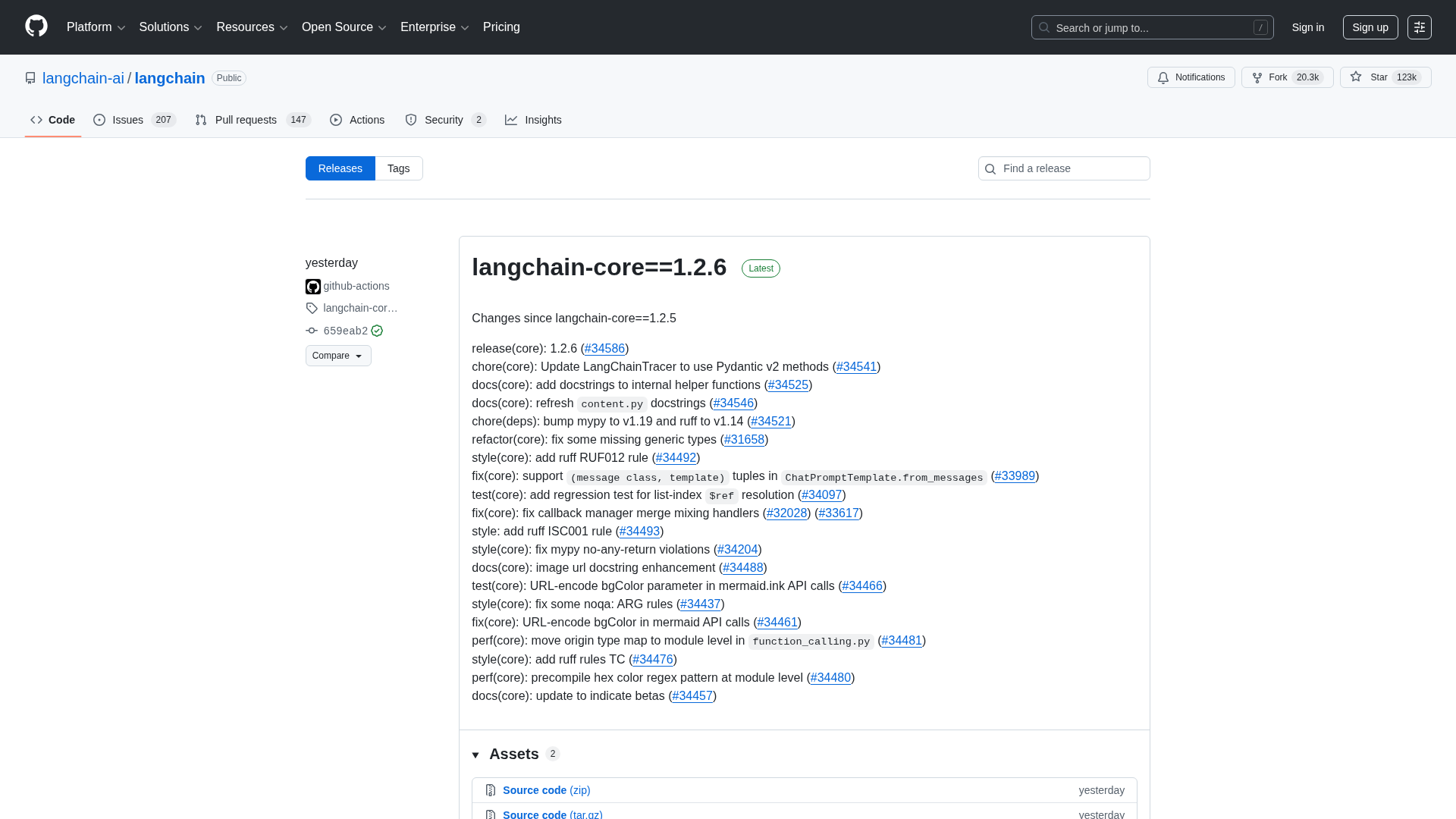
A comprehensive LangChain releases roundup detailing Core 1.2.6 and interconnected updates across XAI, OpenAI, Classic, and tests.

Cannot access the article content due to an access-denied error, preventing summarization.
A quick preview of POE-POE's pros and cons as seen in G2 reviews.
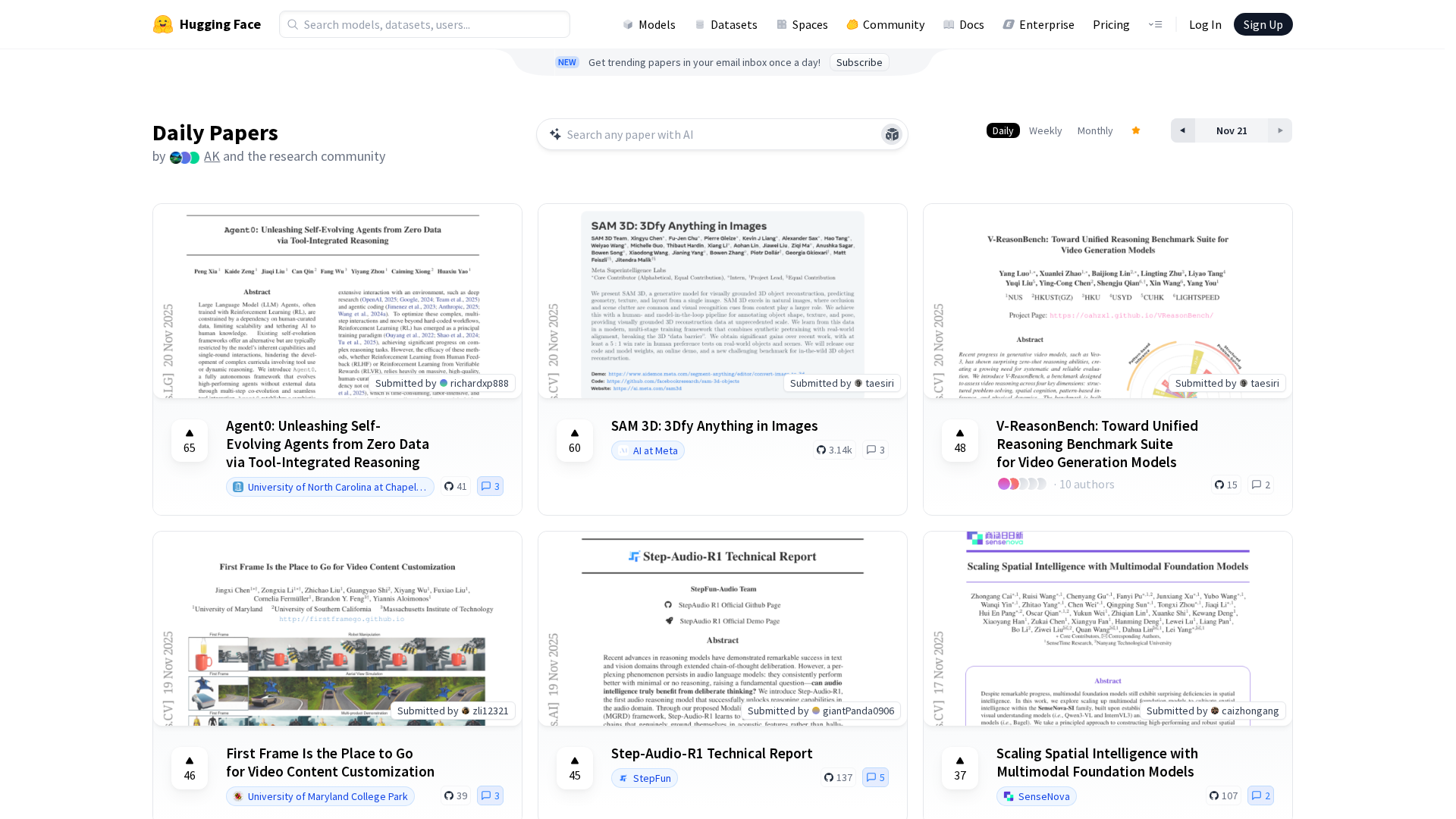
Get daily, curated trending ML papers delivered straight to your inbox.
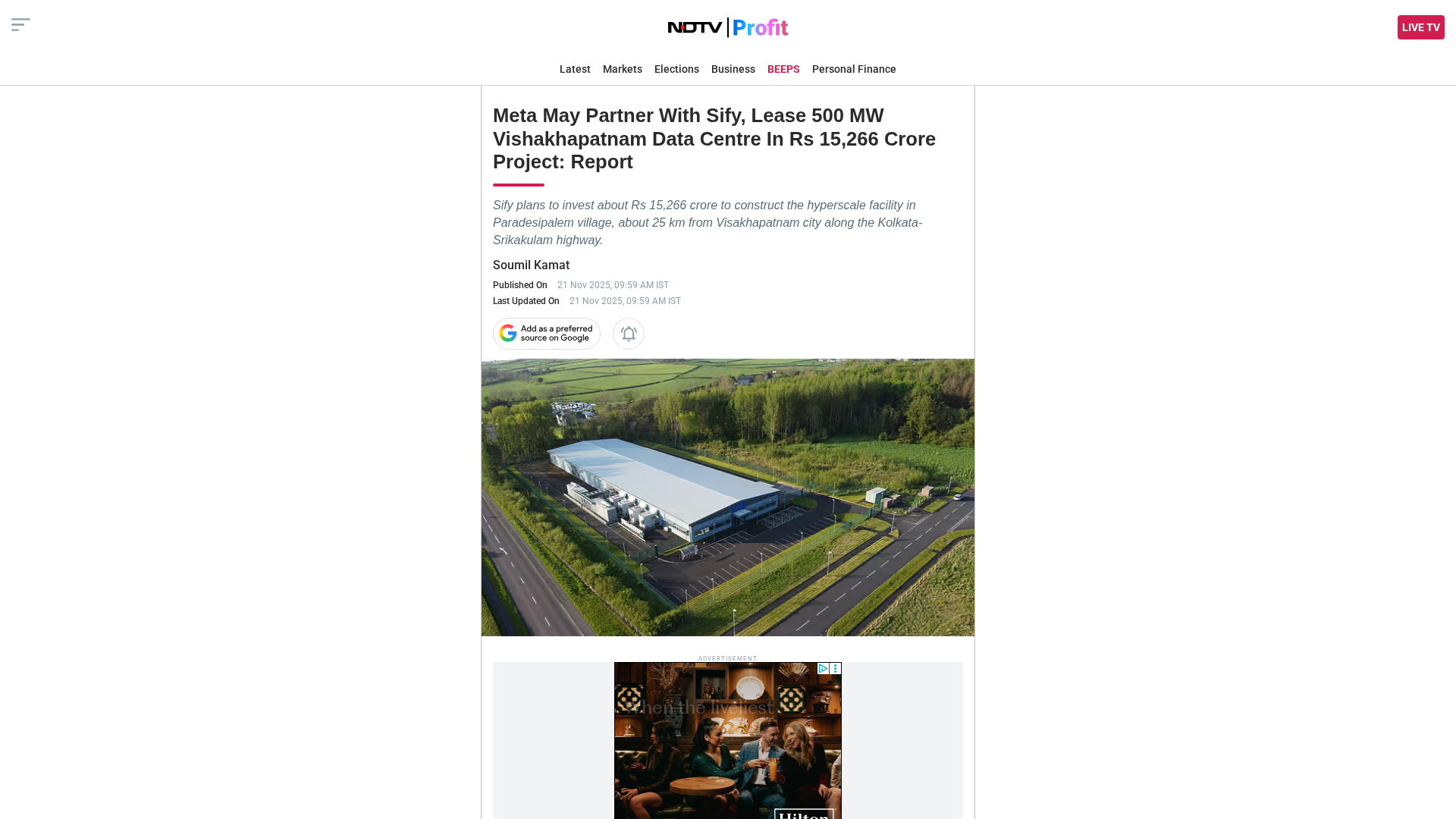
Meta may partner with Sify to lease a 500 MW Vishakhapatnam data center in a Rs 15,266 crore project linked to the Waterworth subsea cable.