Topic Overview
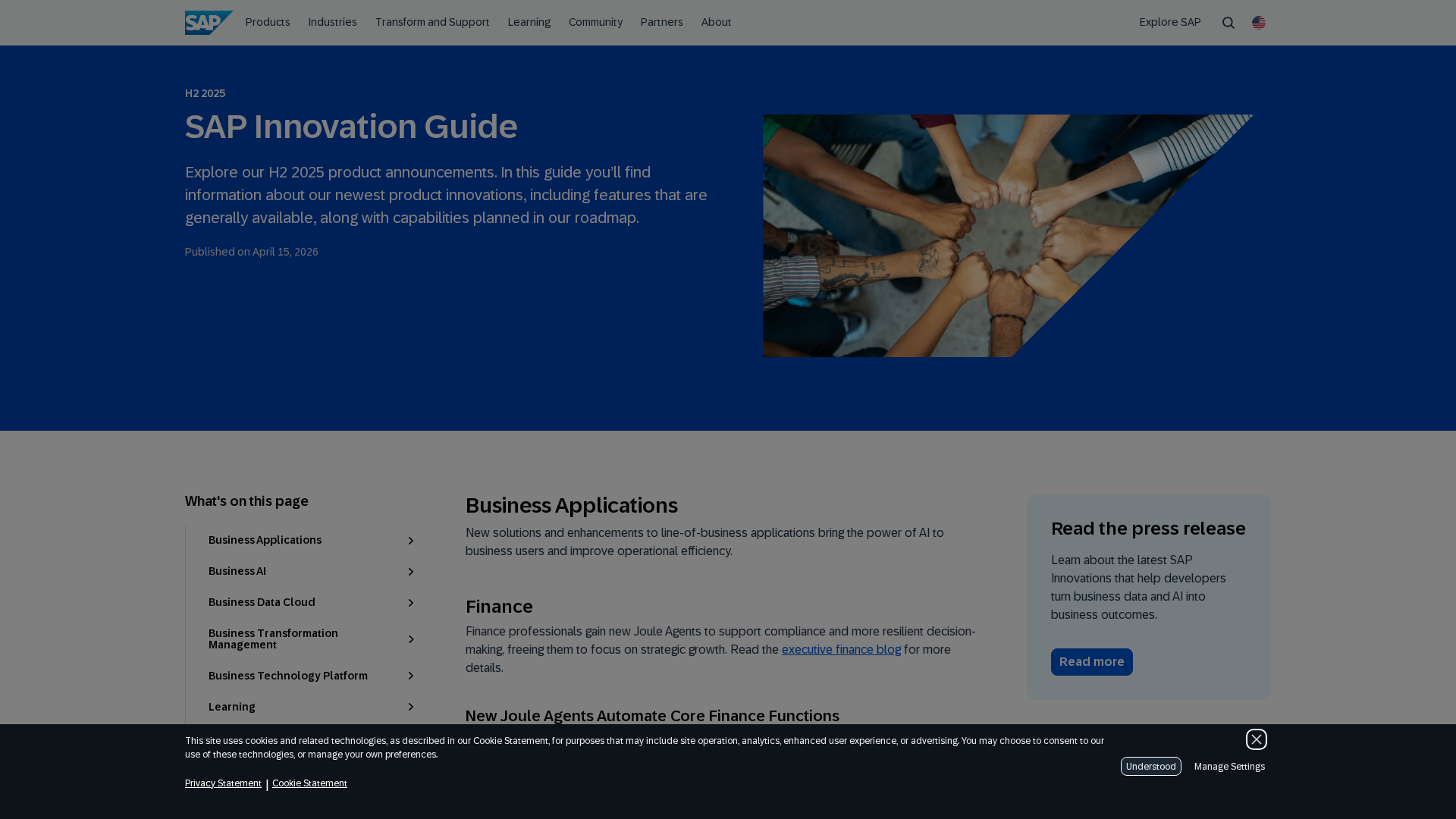
This topic covers modern AI platforms used to optimize logistics and supply chains—spanning enterprise planning and execution suites (examples: Loop, Infor, IBM, SAP), autonomous logistics tools for routing and robotics, and AI data platforms that ingest, fuse, and serve model-ready signals. As of 2026, businesses are moving from batch analytics to continuous, agentic decision loops: real‑time visibility, digital twins, graph‑native representations, and closed‑loop optimization are central to reducing latency, cost, and carbon intensity. Key vendor platforms (Loop, Infor, IBM, SAP) typically provide integrated planning, execution, orchestration, and analytics layers that connect telematics, warehouse systems, ERP, and marketplaces. Autonomous logistics tools focus on route optimization, fleet and yard management, and robotics orchestration. AI data platforms handle ingestion, feature engineering, governance, and model serving—enabling stateful agents and LLM-based decision support. Developer and infrastructure tools play a supporting role: LangChain and related frameworks enable building, evaluating, and deploying agentic LLM workflows (stateful decision graphs); GitHub Copilot, JetBrains AI Assistant, Tabnine, Tabby and AskCodi accelerate developer productivity and safe model integration; and Rebellions.ai‑class inference accelerators address on‑prem and hyperscale latency, throughput, and energy constraints. Practical trends include composable architectures that separate model orchestration from execution, stronger data governance and on‑prem hosting for sensitive telemetry, and tighter integration between optimization engines and real‑time control systems. Organizations evaluating these stacks should weigh latency, data privacy, model governance, integration effort, and the ability to convert prescriptive recommendations into autonomous actions.
Tool Rankings – Top 6

Engineering platform and open-source frameworks to build, test, and deploy reliable AI agents.

An AI pair programmer that gives code completions, chat help, and autonomous agent workflows across editors, theterminal
In‑IDE AI copilot for context-aware code generation, explanations, and refactorings.

Enterprise-focused AI coding assistant emphasizing private/self-hosted deployments, governance, and context-aware code.
.avif)
Open-source, self-hosted AI coding assistant with IDE extensions, model serving, and local-first/cloud deployment.
OpenAI-compatible API and coding assistant that runs custom models across providers.
Latest Articles (53)
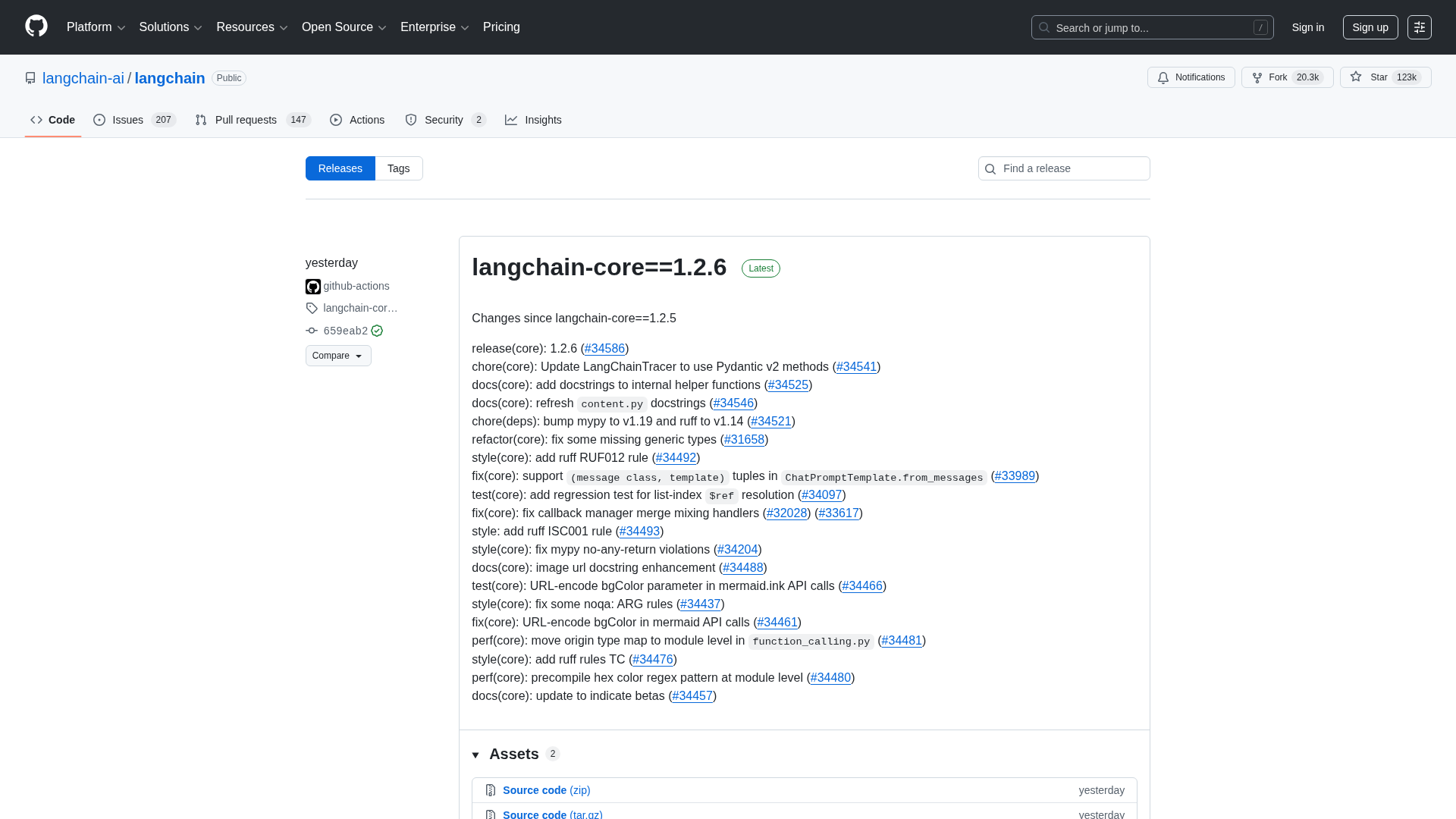
A comprehensive LangChain releases roundup detailing Core 1.2.6 and interconnected updates across XAI, OpenAI, Classic, and tests.

Cannot access the article content due to an access-denied error, preventing summarization.

A quick preview of POE-POE's pros and cons as seen in G2 reviews.
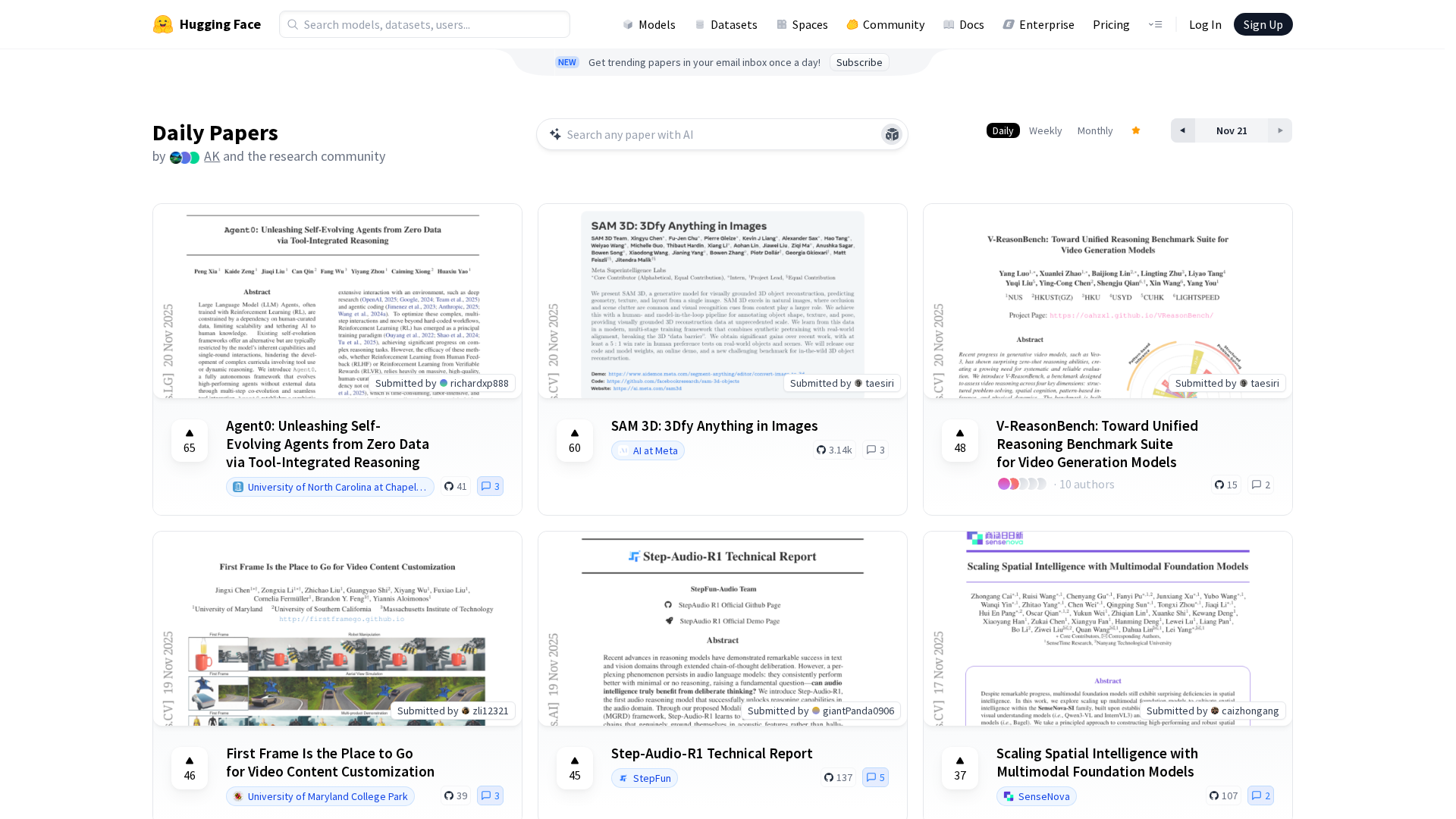
Get daily, curated trending ML papers delivered straight to your inbox.
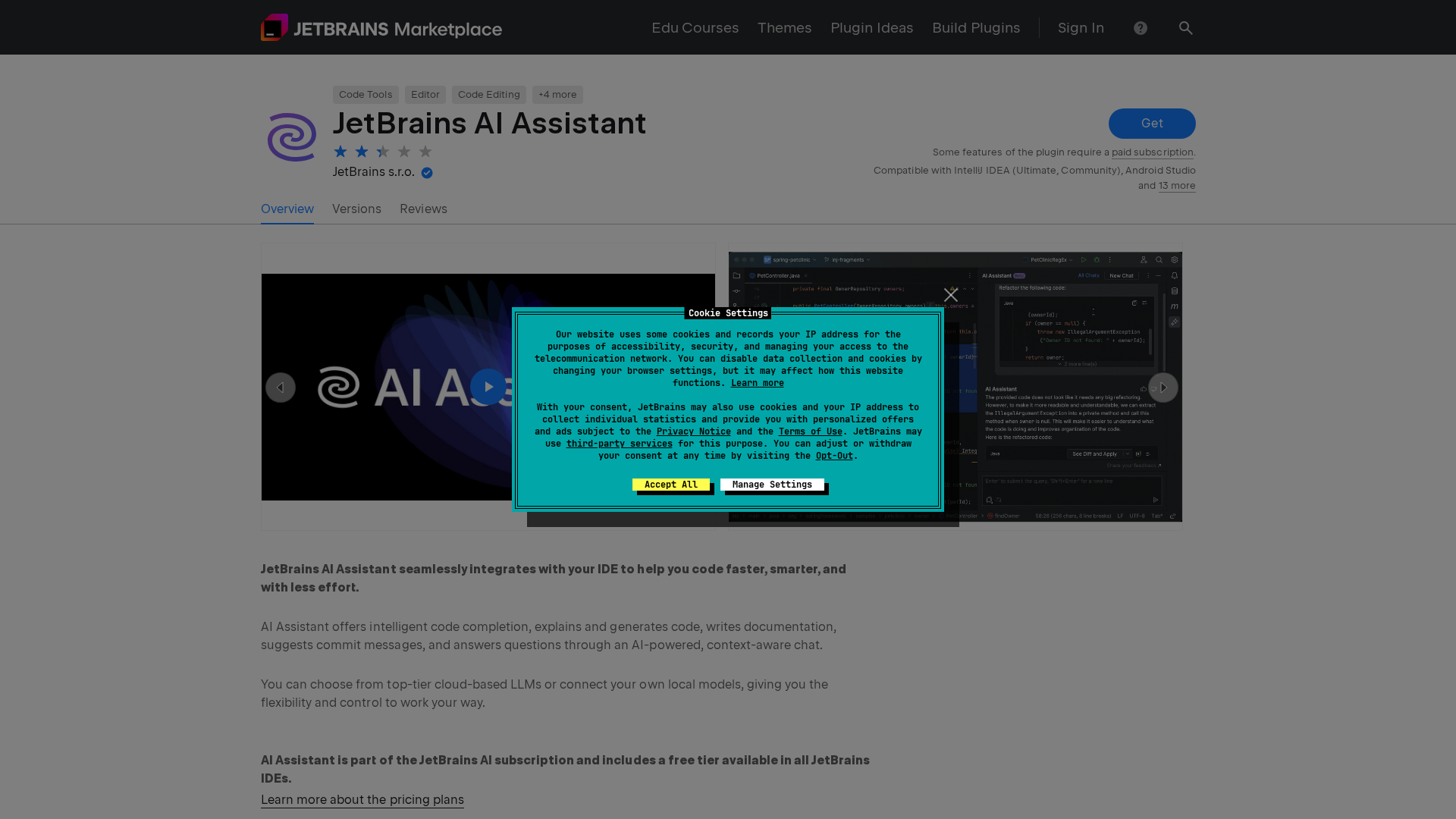
AI-powered coding assistant integrated into IntelliJ IDEs to generate code, explain concepts, and streamline development.