Topic Overview
AI‑native cloud platforms and hosting for large models refer to infrastructure and services specifically built to deploy, run, and manage LLMs and agent systems at scale. As of 2026‑02‑18, the space mixes managed AI clouds (e.g., Render’s AI cloud), developer‑facing web IDEs with instant hosting, no‑code agent builders, self‑hosted model serving, and emerging decentralized networks that emphasize privacy and resilience. This topic sits at the intersection of AI Data Platforms and Decentralized AI Infrastructure because it covers model lifecycle, data governance, and where compute is located. Key capabilities include optimized inference and batching on GPUs/TPUs, model versioning, observability and cost controls, low‑latency edge/region routing, and integrations for agent orchestration. Representative tools illustrate the range: Replit provides an AI‑powered online IDE with instant hosting and AI assistants for rapid app iteration; MindStudio targets no‑code/low‑code design, deployment, and enterprise controls for agents; LangChain supplies SDKs and tooling for building, testing, and deploying LLM‑based agents; AutoGPT enables autonomous workflows that can run cloud‑hosted or self‑hosted; Tabby offers an open‑source, local‑first coding assistant and model‑serving option for teams preferring self‑hosting; and JetBrains AI Assistant embeds context‑aware coding help inside IDEs for developer productivity. Trends to watch include tighter coupling of developer tooling with model hosting, broader support for hybrid and decentralized deployment patterns to meet data residency and cost constraints, and richer observability for production safety and performance. Choosing between managed AI clouds, platform‑integrated hosting, and self/peer‑hosted infrastructure now requires evaluating latency, cost predictability, data governance, and the degree of operational control needed.
Tool Rankings – Top 6

AI-powered online IDE and platform to build, host, and ship apps quickly.

Platform to build, deploy and run autonomous AI agents and automation workflows (self-hosted or cloud-hosted).

No-code/low-code visual platform to design, test, deploy, and operate AI agents rapidly, with enterprise controls and a
.avif)
Open-source, self-hosted AI coding assistant with IDE extensions, model serving, and local-first/cloud deployment.

An open-source framework and platform to build, observe, and deploy reliable AI agents.
In‑IDE AI copilot for context-aware code generation, explanations, and refactorings.
Latest Articles (26)
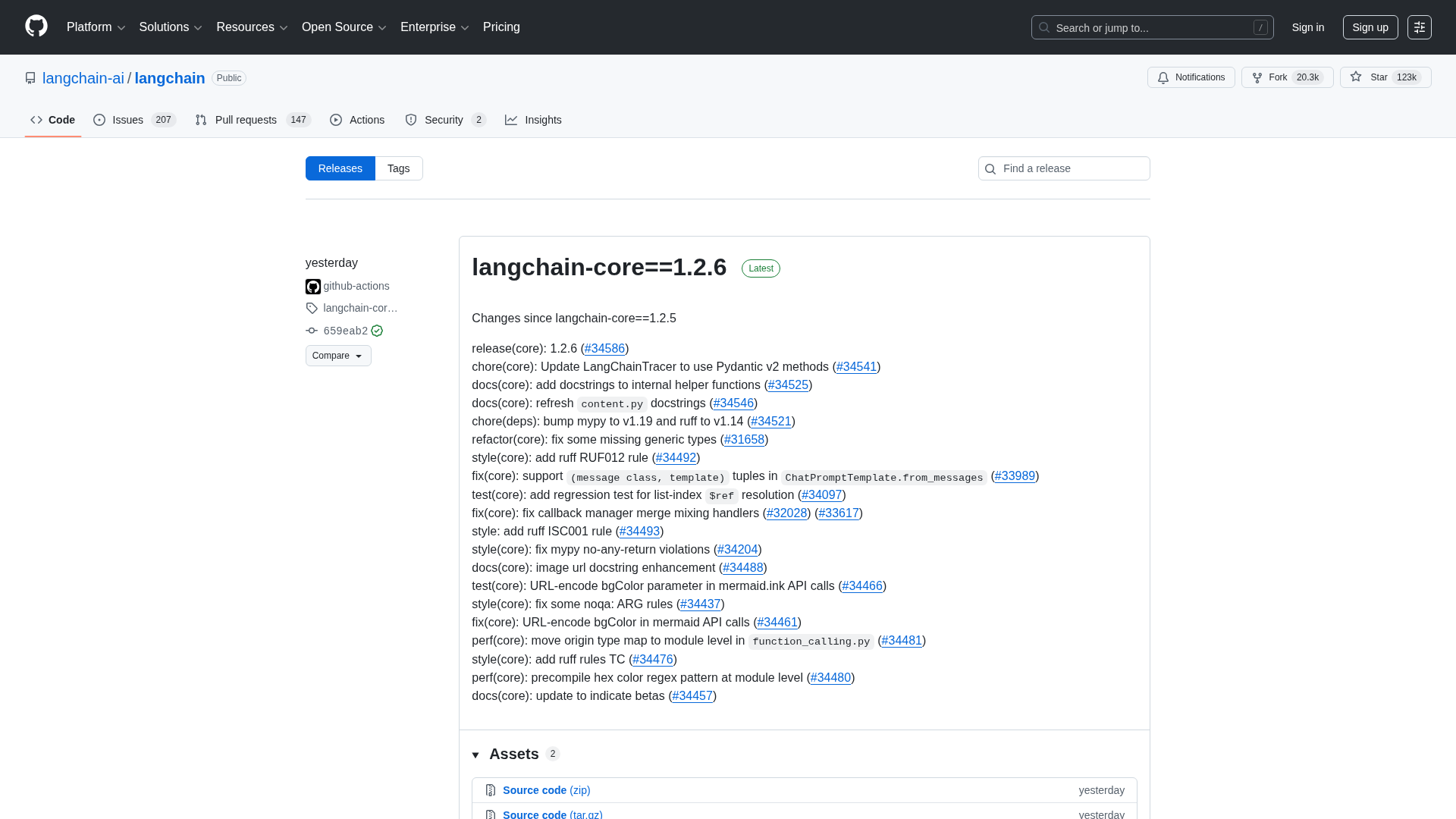
A comprehensive LangChain releases roundup detailing Core 1.2.6 and interconnected updates across XAI, OpenAI, Classic, and tests.
A reproducible bug where LangGraph with Gemini ignores tool results when a PDF is provided, even though the tool call succeeds.
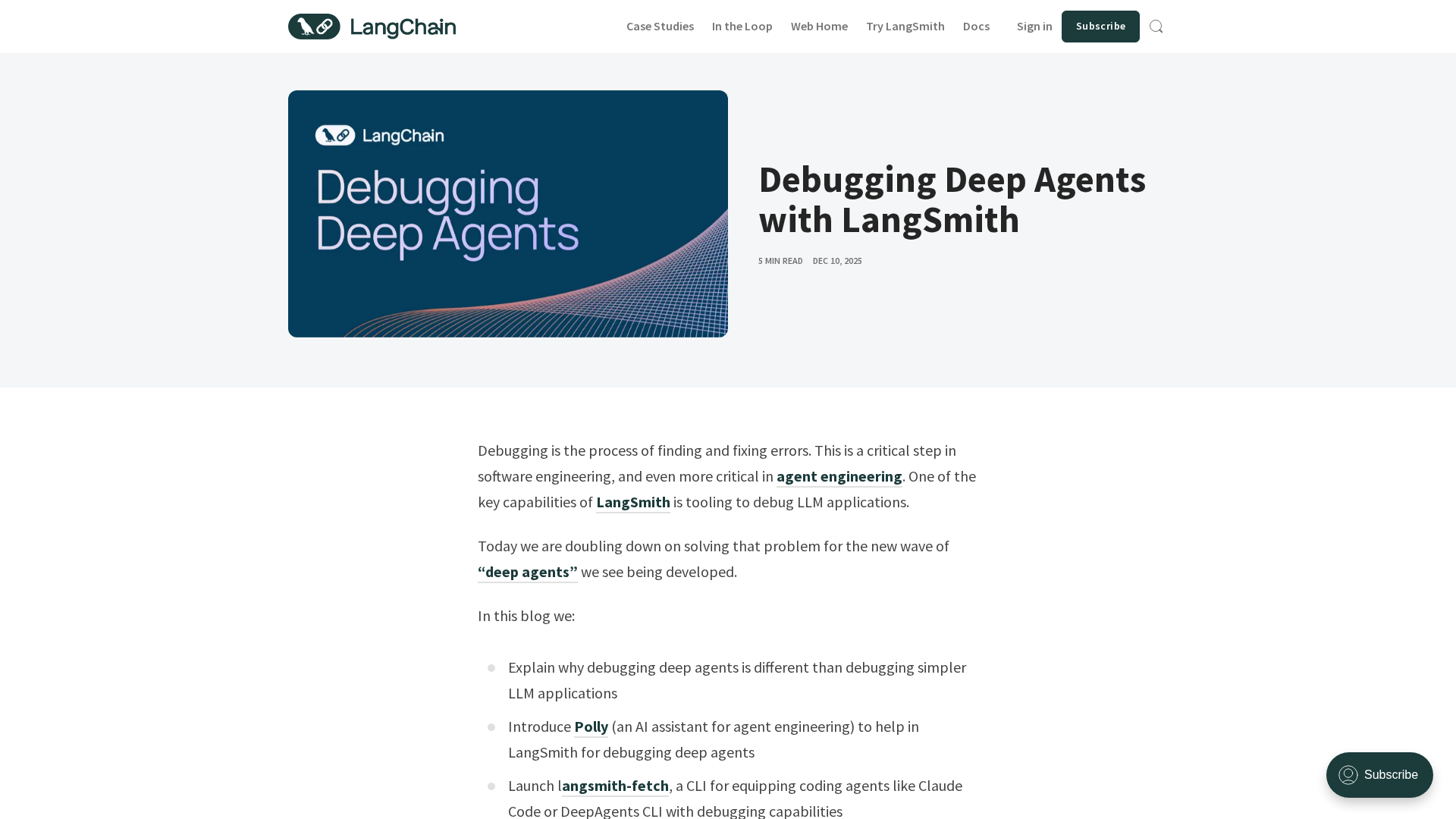
A practical guide to debugging deep agents with LangSmith using tracing, Polly AI analysis, and the LangSmith Fetch CLI.
A CLI tool to pull LangSmith traces and threads directly into your terminal for fast debugging and automation.
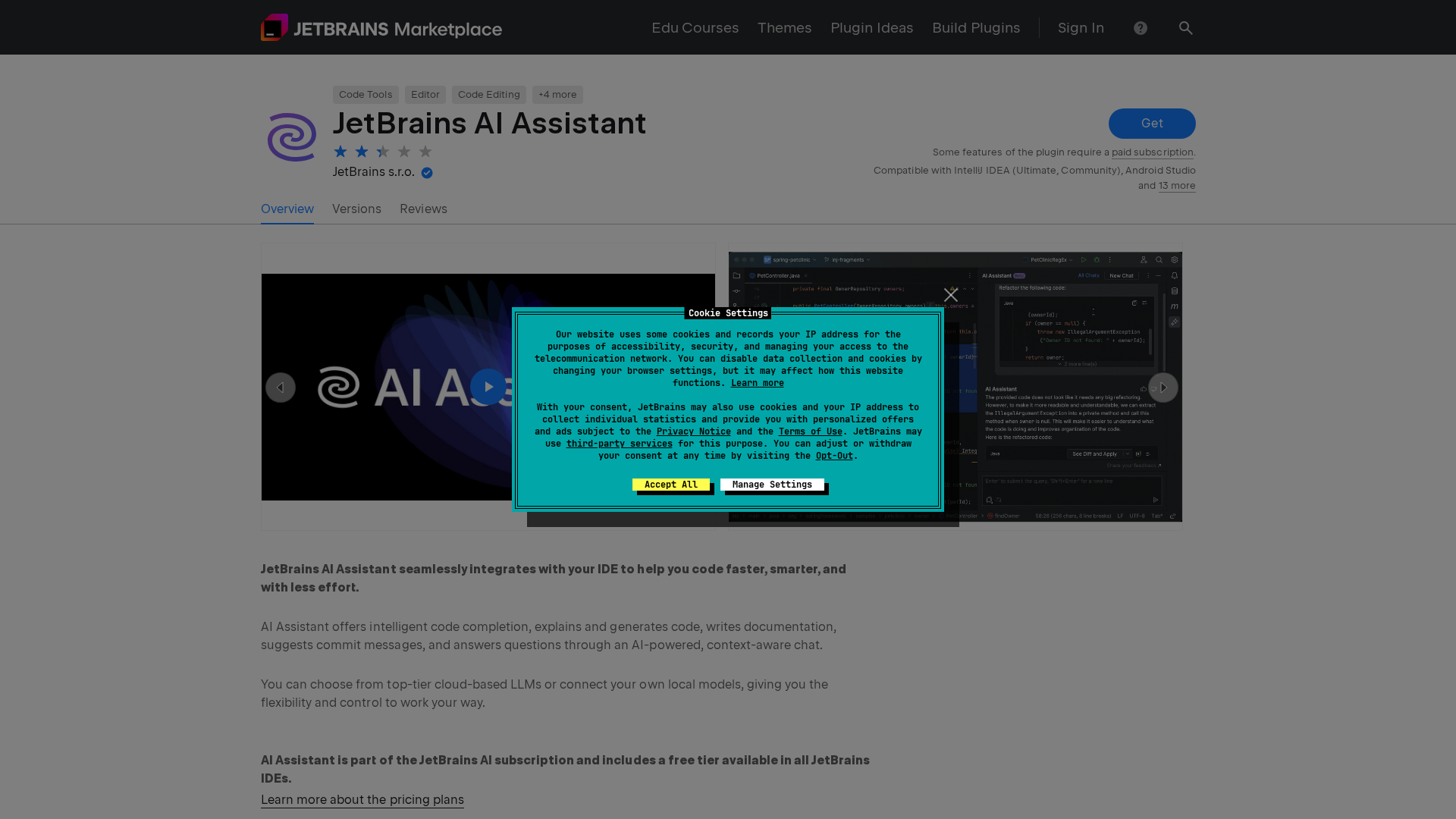
AI-powered coding assistant integrated into IntelliJ IDEs to generate code, explain concepts, and streamline development.