Topic Overview
This topic covers the platforms, frameworks, and workflows organizations use to run generative AI in a cost‑conscious, production-ready way across cloud (AWS, Google Cloud), hybrid, and self‑hosted environments. It spans three complementary categories: AI Data Platforms (data ingestion, vector stores, embeddings and retrieval-augmented generation), AI Tool Marketplaces (model selection, multi‑model routing and agent frameworks), and Low‑Code Workflow Platforms (orchestration, automation, and citizen‑developer tooling). Relevance in late 2025 stems from greater model diversity, tighter enterprise governance, and persistent compute costs driving teams to combine cloud provider optimizations with specialized vendors. Key patterns include hybrid/self-hosted deployments to control inference spend and data residency; multi‑model orchestration to balance latency, quality and price; and low‑code automation to reduce engineering lift for production flows. Practical tooling examples: LangChain (engineering framework and LangGraph stateful runtimes for agentic LLM apps), AutoGPT (autonomous agent/workflow runtimes, self‑ or cloud‑hosted), Windsurf (AI‑native IDE and agentic coding platform), Tabnine (enterprise, private/self‑hosted coding assistant), GitHub Copilot (editor-integrated pair programmer and agent workflows), Replit (web IDE with hosting and built‑in assistants), Claude (Anthropic conversational/developer models) and Microsoft 365 Copilot (app‑embedded productivity assistants). Successful cost‑optimized deployments combine model selection and marketplace tooling, observability and cost‑aware autoscaling, and low‑code orchestration for repeatable pipelines. The focus is operational: reliable inference, governance, and measurable cost/performance tradeoffs rather than raw model capabilities — a pragmatic approach for teams moving generative AI into sustained production.
Tool Rankings – Top 6

Engineering platform and open-source frameworks to build, test, and deploy reliable AI agents.

Platform to build, deploy and run autonomous AI agents and automation workflows (self-hosted or cloud-hosted).

AI-native IDE and agentic coding platform (Windsurf Editor) with Cascade agents, live previews, and multi-model support.

Enterprise-focused AI coding assistant emphasizing private/self-hosted deployments, governance, and context-aware code.
An AI pair programmer that gives code completions, chat help, and autonomous agent workflows across editors, theterminal

AI-powered online IDE and platform to build, host, and ship apps quickly.
Latest Articles (72)
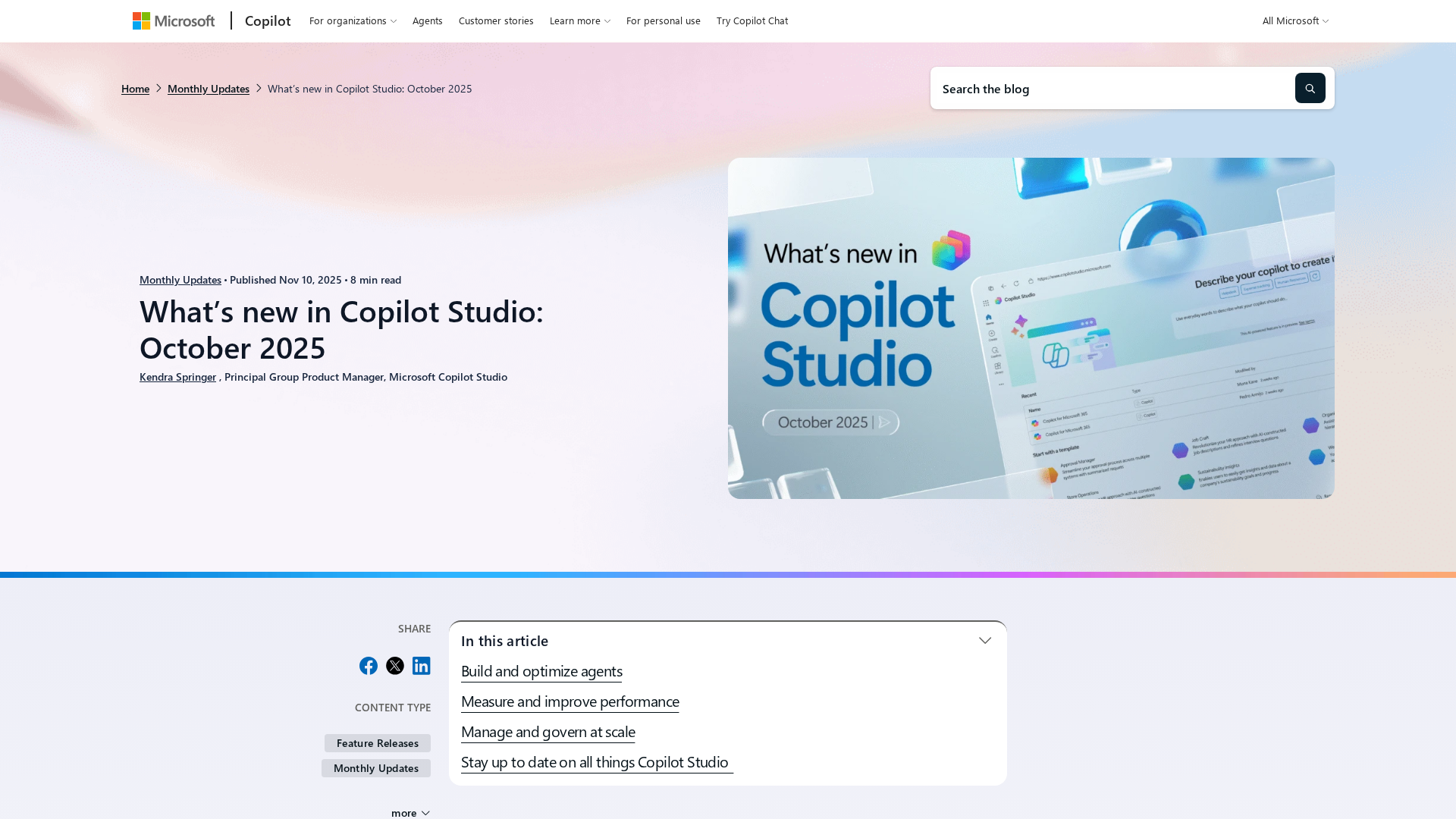
A comprehensive October 2025 roundup of Copilot Studio’s new testing, model, and governance features.
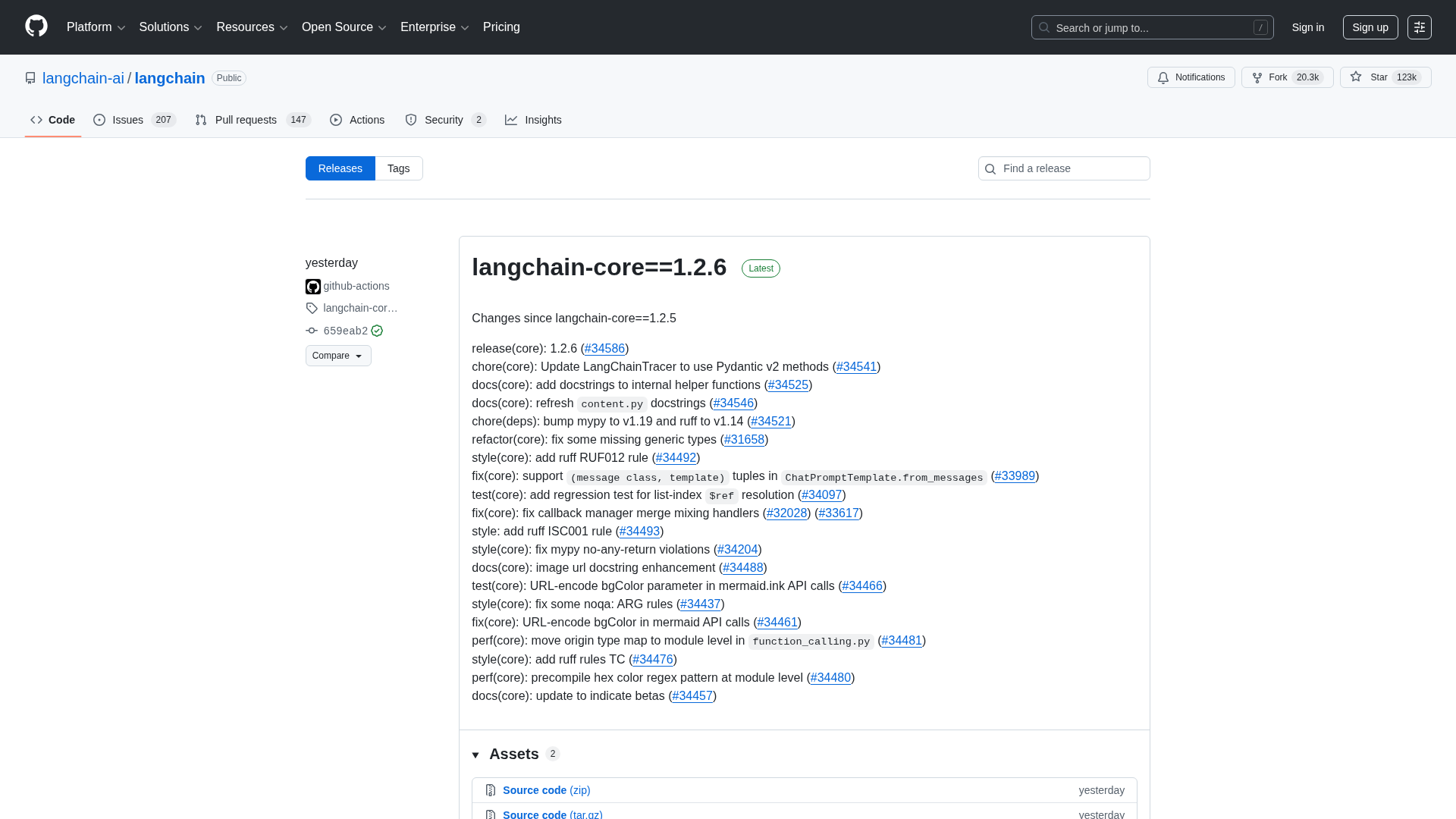
A comprehensive LangChain releases roundup detailing Core 1.2.6 and interconnected updates across XAI, OpenAI, Classic, and tests.

Cannot access the article content due to an access-denied error, preventing summarization.
A practical, step-by-step guide to fine-tuning large language models with open-source NLP tools.
A quick preview of POE-POE's pros and cons as seen in G2 reviews.