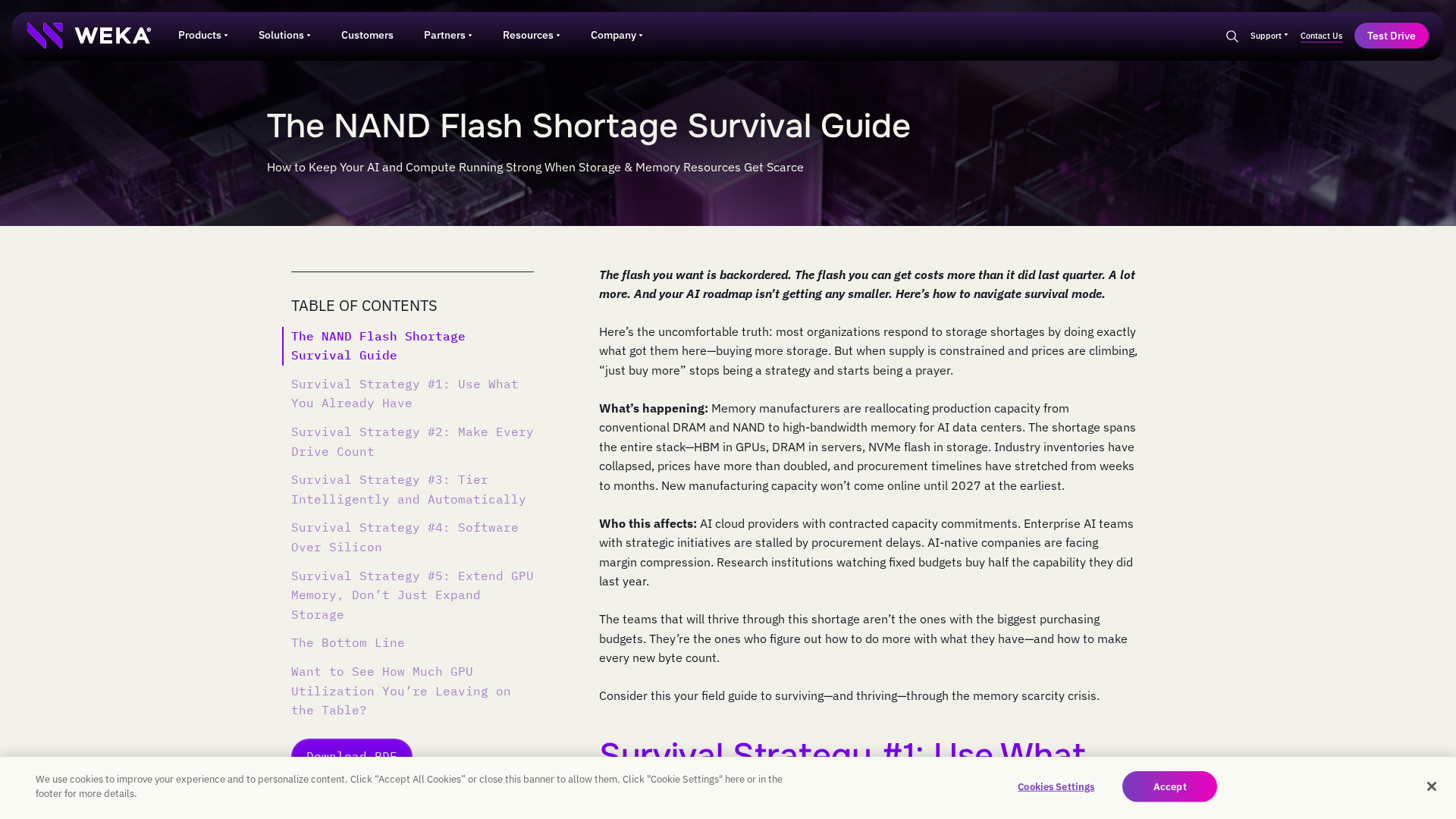
Topic Overview
This topic covers tools and techniques for optimizing AI model memory and inference when DRAM and NAND capacity, cost, or energy constraints limit traditional deployment. It focuses on software-first compression libraries (quantization, pruning, activation/weight compression, memory-mapped weight formats), runtime strategies (model sharding, activation recomputation, NVMe/NAND offload, operator-level memory optimizations), and hardware-software co-design (purpose-built inference accelerators and energy-efficient SoCs). Relevance in early 2026 is high: model parameter counts and deployment volumes continue to grow while datacenter DRAM and flash economics, energy budgets, and supply-chain pressures make purely scale-up approaches costly or infeasible. At the same time, decentralized and edge deployments increase demand for memory-efficient inference patterns. Key tools illustrate the ecosystem: Rebellions.ai supplies GPU-class software plus inference accelerators and servers designed to increase throughput and energy efficiency, enabling higher-density deployments with lower DRAM reliance. LangChain provides a developer-first framework for building, observing, and deploying LLM agents; its orchestration primitives are often used to implement memory-efficient pipelines and offload/retrieval policies. LlamaIndex focuses on turning unstructured content into RAG-ready indices and document agents, reducing in-memory context by pushing retrieval to external stores rather than holding large corpora in RAM. Together these tools show common patterns: reduce resident model/context state through retrieval, compress what must stay in memory, and move cold state to cheaper persistent tiers or distributed nodes. Practical deployments now emphasize open standards for model offload, robust observability for memory hotspots, and composable stacks that pair compression runtimes with specialized accelerators or decentralized storage. The outcome is predictable latency and lower cost per inference while maintaining accuracy and developer ergonomics across AI data platforms and decentralized AI infrastructure.
Tool Rankings – Top 3

Energy-efficient AI inference accelerators and software for hyperscale data centers.

An open-source framework and platform to build, observe, and deploy reliable AI agents.

Developer-focused platform to build AI document agents, orchestrate workflows, and scale RAG across enterprises.
Latest Articles (20)
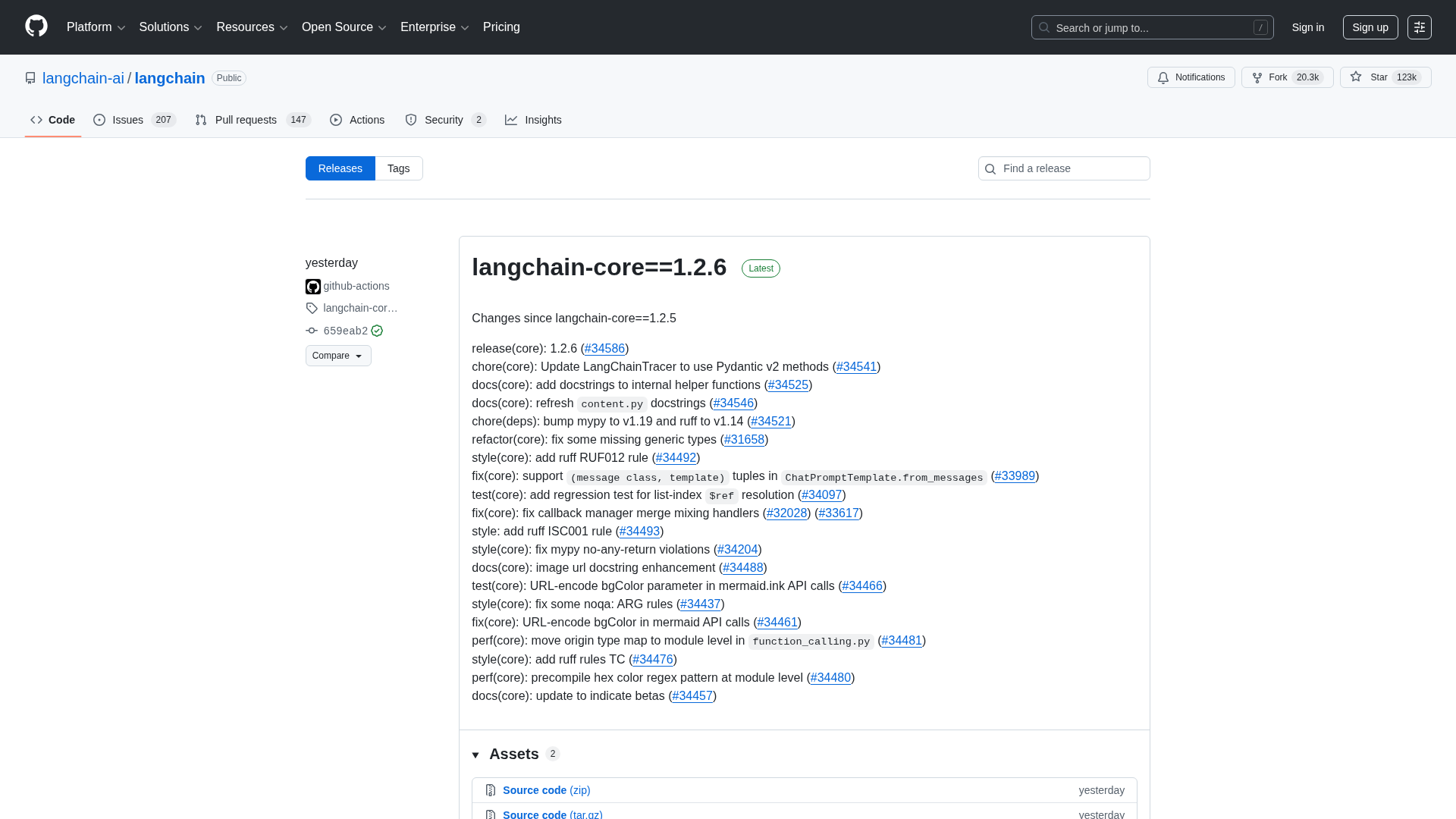
A comprehensive LangChain releases roundup detailing Core 1.2.6 and interconnected updates across XAI, OpenAI, Classic, and tests.
A reproducible bug where LangGraph with Gemini ignores tool results when a PDF is provided, even though the tool call succeeds.
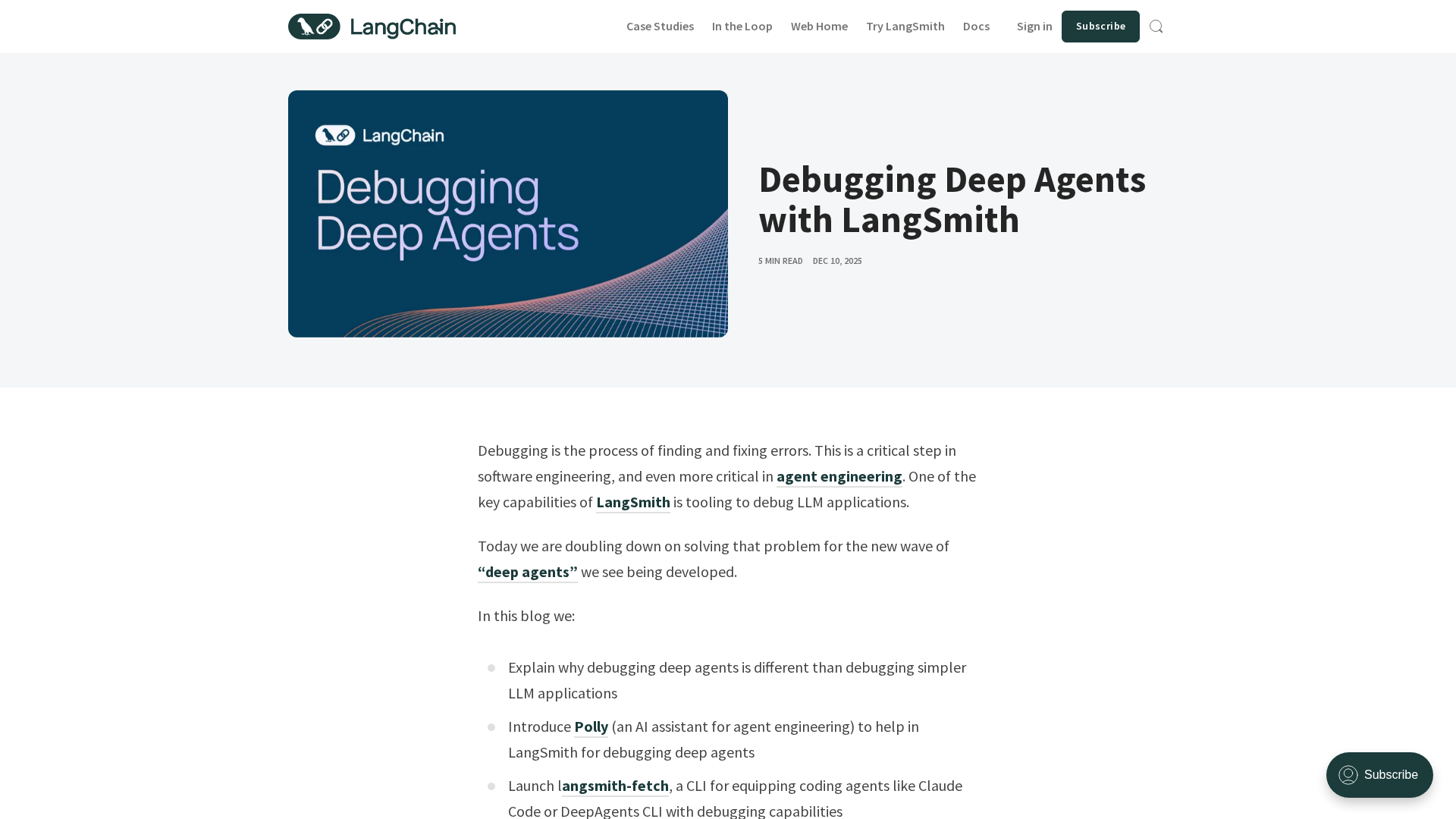
A practical guide to debugging deep agents with LangSmith using tracing, Polly AI analysis, and the LangSmith Fetch CLI.
A CLI tool to pull LangSmith traces and threads directly into your terminal for fast debugging and automation.
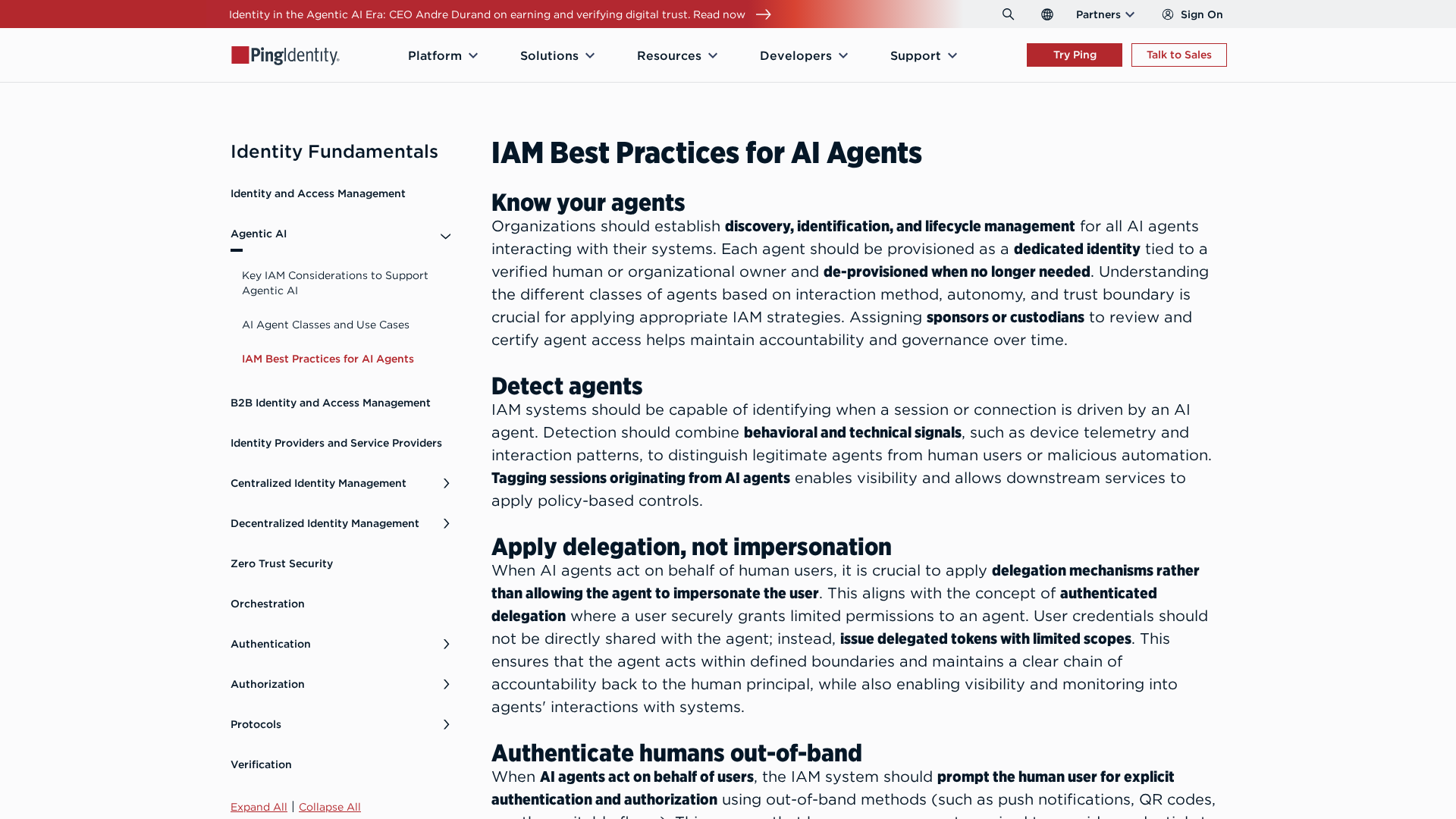
Best-practices for securing AI agents with identity management, delegated access, least privilege, and human oversight.